



Elizabeth Mary Wilhelmina Bentinck is a name that has attracted growing online interest, largely because of her connection to one of Europe’s oldest noble families and her relationship to well-known public figures. Although she maintains a private life away from media attention, her family background has sparked curiosity among readers searching for reliable information about her parents, heritage, and the historic House of Bentinck. Unlike many online profiles that rely on speculation, this article focuses on verified information while respecting the limits of the public record. Along the way, we’ll explore Elizabeth Mary Wilhelmina Bentinck’s family background, her connection to the distinguished Bentinck lineage, and the rich history that has shaped one of the most influential aristocratic families in Europe.
- Who Is Elizabeth Mary Wilhelmina Bentinck?
- Elizabeth Mary Wilhelmina Bentinck at a Glance
- Elizabeth Mary Wilhelmina Bentinck’s Family
- The Bentinck Family Heritage
- Welbeck Abbey and the Bentinck Legacy
- The Women Who Shaped the Bentinck Legacy
- What Is Publicly Known About Elizabeth Mary Wilhelmina Bentinck?
- The Enduring Legacy of the House of Bentinck
- Modern Legacy and Lasting Influence
- Conclusion
- Frequently Asked Questions
Who Is Elizabeth Mary Wilhelmina Bentinck?
Elizabeth Mary Wilhelmina Bentinck is a member of the historic Bentinck family, an aristocratic lineage with deep roots in both the Netherlands and the United Kingdom. While she has attracted growing public interest due to her family background and connection to well-known personalities, she has largely chosen to keep her personal life out of the public eye. As a result, verified information about her remains limited, making it important to distinguish confirmed facts from online speculation.
She is widely recognized as the daughter of Irish television personality and actress Lisa Hogan and Dutch aristocrat Baron Steven-Carel Johannes Bentinck. Through her father, Elizabeth belongs to the House of Bentinck, a noble family whose history spans several centuries and includes diplomats, politicians, landowners, and influential figures in British and Dutch society. This distinguished heritage continues to make the Bentinck name a subject of historical and genealogical interest.
Despite the attention surrounding her family, Elizabeth Mary Wilhelmina Bentinck has maintained a notably private profile. Unlike many individuals connected to prominent families, she rarely appears in public interviews or media coverage, and there is little verified information available about her personal career or day-to-day life. This discretion reflects a long-standing tradition among many European aristocratic families, where privacy is often valued over public visibility.
Because of this limited public record, much of the curiosity surrounding Elizabeth Mary Wilhelmina Bentinck centers on her family heritage rather than personal publicity. Understanding her background therefore begins with understanding the remarkable history of the House of Bentinck—a family whose influence has extended across royal courts, politics, diplomacy, and cultural life for more than three centuries.
Elizabeth Mary Wilhelmina Bentinck at a Glance
| Detail | Information |
|---|---|
| Full Name | Elizabeth Mary Wilhelmina Bentinck |
| Known For | Member of the historic House of Bentinck |
| Mother | Lisa Hogan |
| Father | Baron Steven-Carel Johannes Bentinck |
| Family Heritage | Dutch and British aristocracy |
| Public Profile | Maintains a private life |
| Notability | Connection to the Bentinck noble family |
Elizabeth Mary Wilhelmina Bentinck’s Family
Elizabeth Mary Wilhelmina Bentinck comes from a family that combines European aristocratic heritage with modern public recognition. Although she has chosen to live a private life, interest in her family has continued to grow because of her parents’ backgrounds and the historic significance of the Bentinck name.
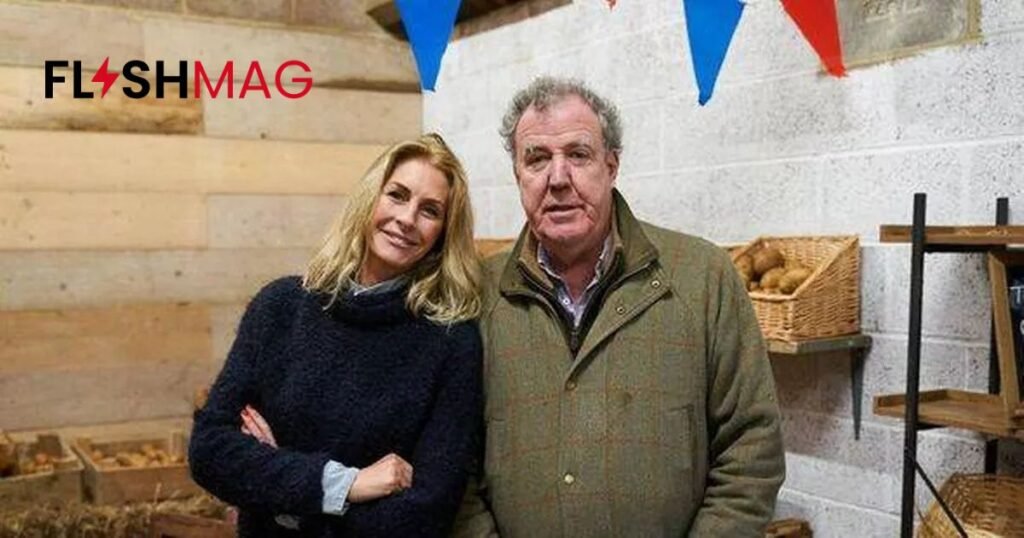
Her mother, Lisa Hogan, is an Irish actress, model, and television personality who became widely known through the television series Clarkson’s Farm. Before returning to television, Hogan built a career in modelling and acting, later gaining international recognition through her appearances alongside Jeremy Clarkson. Her growing public profile has naturally encouraged readers to learn more about her children, including Elizabeth Mary Wilhelmina Bentinck.
Elizabeth’s father, Baron Steven-Carel Johannes Bentinck, belongs to the distinguished House of Bentinck, a Dutch noble family whose influence extends back several centuries. Through him, Elizabeth is connected to a long line of aristocrats who played important roles in diplomacy, politics, military service, estate management, and public life across Europe.
Despite these high-profile family connections, Elizabeth Mary Wilhelmina Bentinck has remained largely outside the public spotlight. There are very few verified interviews, public appearances, or official biographies about her, reflecting a preference for privacy rather than media attention. This discretion is common among many members of Europe’s historic noble families, where personal life is often kept separate from public interest.
Although relatively little is publicly known about Elizabeth herself, her family’s remarkable history continues to generate curiosity among readers interested in aristocratic heritage, genealogy, and the enduring influence of the House of Bentinck.
The Bentinck Family Heritage
The story of Elizabeth Mary Wilhelmina Bentinck cannot be separated from the remarkable history of the House of Bentinck. Long before the family became established in Britain, the Bentincks were part of the Dutch nobility, where they built a reputation for public service, diplomacy, and close ties to influential European courts.
The family’s British chapter began in the late seventeenth century when Hans Willem Bentinck, a trusted friend and adviser to William of Orange, accompanied him to England during the Glorious Revolution of 1688. In recognition of his loyalty and service, Hans Willem was later created the 1st Earl of Portland, laying the foundation for one of Britain’s most distinguished aristocratic families.
Over the following centuries, members of the House of Bentinck played important roles in politics, diplomacy, military service, and public life. Their influence extended across both the Netherlands and the United Kingdom, while estates such as Welbeck Abbey became lasting symbols of the family’s heritage and contribution to British history.
Today, the Bentinck name continues to be associated with a rich aristocratic legacy, connecting modern descendants—including Elizabeth Mary Wilhelmina Bentinck—to a family history that spans more than three centuries.
Welbeck Abbey and the Bentinck Legacy
One of the most enduring symbols of the House of Bentinck is Welbeck Abbey, the family’s historic estate in Nottinghamshire, England. Originally founded as a medieval monastery in the twelfth century, the property later became one of Britain’s best-known aristocratic estates after passing into Bentinck ownership.
Over the centuries, Welbeck Abbey evolved into far more than a country residence. It became a center of estate management, architectural innovation, agriculture, and cultural patronage. Successive generations of the Bentinck family helped preserve the estate while adapting it to changing times, ensuring that it remained both historically significant and economically sustainable.
Today, Welbeck Abbey continues to reflect the family’s long-standing commitment to heritage preservation. Although it remains privately owned, parts of the estate are accessible through cultural events and heritage initiatives, allowing visitors to appreciate the rich history associated with one of Britain’s most respected noble families.
The Women Who Shaped the Bentinck Legacy
The history of the House of Bentinck is not defined solely by influential statesmen and diplomats. Across generations, several remarkable women also played important roles in preserving the family’s legacy through royal service, charitable work, and social leadership. Their contributions helped strengthen the Bentinck name and demonstrated that influence within aristocratic society often extended far beyond formal political office.
One of the best-known historical figures is Lady Elizabeth Bentinck (1735–1825), who later became Elizabeth Thynne, Marchioness of Bath. She served for many years as Lady of the Bedchamber to Queen Charlotte before later becoming Mistress of the Robes, one of the highest-ranking positions within the royal household. These roles required discretion, diplomacy, and a deep understanding of royal protocol, making her an important figure at court during a significant period in British history.
Like many women of Britain’s noble families, Lady Elizabeth Bentinck exercised influence through public service, charitable involvement, and strong family alliances rather than elected office. Her life reflects the broader role aristocratic women played in supporting institutions, preserving family traditions, and contributing to society behind the scenes.
Although Elizabeth Mary Wilhelmina Bentinck belongs to a much later generation, she shares the same distinguished family heritage. While she has chosen to remain largely outside public attention, the long history of the Bentinck family provides valuable context for understanding why her name continues to attract interest today.
What Is Publicly Known About Elizabeth Mary Wilhelmina Bentinck?
Although interest in Elizabeth Mary Wilhelmina Bentinck has increased in recent years, the amount of verified public information about her remains limited. Unlike many public figures, she has chosen to maintain a private life, and there are few official interviews, public appearances, or personal statements available.
Much of the information found online focuses on her connection to the historic House of Bentinck and her family background. While reputable historical records document the family’s noble lineage and longstanding role in British and Dutch history, details about Elizabeth’s personal life remain understandably scarce.
For that reason, this article relies on publicly available and verifiable information wherever possible. Details that cannot be confirmed through reliable sources have intentionally been excluded to ensure accuracy and respect for personal privacy.
The Enduring Legacy of the House of Bentinck
For more than three centuries, the House of Bentinck has remained closely connected to European history through public service, diplomacy, politics, and land stewardship. From its Dutch origins to its lasting influence in Britain, the family has produced military leaders, government officials, diplomats, and respected members of the aristocracy who contributed to public life across different generations.
One of the family’s most significant figures was Hans Willem Bentinck, whose close relationship with King William III helped establish the family’s position within the British aristocracy. In later generations, members of the Bentinck family continued serving in political, military, and cultural roles, while historic estates such as Welbeck Abbey became enduring symbols of the family’s heritage and commitment to preservation.
Although titles and responsibilities have evolved over time, the Bentinck name continues to represent tradition, public service, and responsible stewardship. Today, the family’s legacy is preserved not only through historical records and noble titles but also through the continued interest in its history and descendants.
As a modern member of this distinguished lineage, Elizabeth Mary Wilhelmina Bentinck reflects that enduring heritage. While she maintains a private life away from public attention, her connection to one of Europe’s best-known noble families continues to inspire interest among readers exploring the history of the House of Bentinck.
Modern Legacy and Lasting Influence
Although Elizabeth Mary Wilhelmina Bentinck has chosen to remain largely outside the public spotlight, her family heritage continues to attract attention because of the House of Bentinck’s lasting contribution to European history. For centuries, the family has been associated with public service, diplomacy, cultural patronage, and responsible stewardship—values that have helped preserve its reputation across generations.
Unlike many modern public figures, Elizabeth has maintained a private lifestyle, and only limited verified information about her personal or professional life is publicly available. Rather than encouraging speculation, this reflects an important characteristic shared by many members of historic aristocratic families, where privacy and discretion have long been regarded as essential values.
The continued interest in Elizabeth Mary Wilhelmina Bentinck also highlights how noble families remain relevant in the modern era. While titles no longer carry the same political influence they once did, their historical significance, cultural heritage, and contribution to preserving important estates continue to attract researchers, historians, and readers from around the world.
Ultimately, Elizabeth Mary Wilhelmina Bentinck represents both continuity and tradition. Although much of her personal life remains private, her connection to one of Europe’s most distinguished aristocratic families ensures that her name remains linked to a legacy of history, public service, and cultural heritage that has endured for more than three centuries.
Conclusion
Elizabeth Mary Wilhelmina Bentinck may not be a public figure in the traditional sense, but her name continues to attract attention because of its connection to one of Europe’s most respected aristocratic families. While verified information about her personal life remains limited, her family background offers a fascinating window into the history of the House of Bentinck and its enduring influence across the Netherlands and the United Kingdom.
Rather than relying on speculation, understanding Elizabeth Mary Wilhelmina Bentinck means appreciating the remarkable legacy of a family known for public service, diplomacy, and cultural heritage. As interest in historic noble families continues to grow, her story serves as a reminder that some of the most intriguing lives are those that remain largely private while still carrying the weight of centuries of history.
Whether readers are researching the Bentinck family, exploring European aristocratic history, or simply looking to learn more about Elizabeth Mary Wilhelmina Bentinck, the family’s enduring legacy continues to make her name a subject of lasting interest.
Frequently Asked Questions
Who is Elizabeth Mary Wilhelmina Bentinck?
Elizabeth Mary Wilhelmina Bentinck is a member of the historic House of Bentinck. She is widely known as the daughter of Irish television personality Lisa Hogan and Dutch aristocrat Baron Steven-Carel Johannes Bentinck. Although she maintains a private life, her noble family background has attracted growing public interest.
Who are Elizabeth Mary Wilhelmina Bentinck’s parents?
Her parents are Irish actress and television personality Lisa Hogan and Dutch aristocrat Baron Steven-Carel Johannes Bentinck. Their backgrounds combine modern public recognition with centuries of European noble heritage.
What is the House of Bentinck?
The House of Bentinck is a historic noble family that originated in the Netherlands before becoming established in Britain during the late seventeenth century. Over the centuries, members of the family have served as diplomats, politicians, military leaders, and landowners.
Why is Elizabeth Mary Wilhelmina Bentinck gaining attention?
Interest in Elizabeth Mary Wilhelmina Bentinck has increased because of her connection to the Bentinck family and her relationship to public figures. At the same time, her private lifestyle has encouraged readers to seek reliable information about her background and family history.
Is there much public information about Elizabeth Mary Wilhelmina Bentinck?
No. Only limited verified information about her personal life is publicly available. Most reliable information relates to her family background and the documented history of the House of Bentinck rather than her private activities.
You May Also Read: Brock Purdy Wife: Everything to Know About Jenna Brandt and Their Life Together