



When the coronavirus pandemic began turning everyday life upside down in early 2020, the housing market didn’t simply pause. People still needed homes, builders still had projects underway, and companies like Brookfield Residential had to make fast, serious decisions about how to protect employees, reassure homebuyers, and keep construction moving.
- Understanding the Early Impact of the Pandemic on the Housing Market
- Brookfield Residential Coronavirus Policies and Safety Measures
- How Brookfield Residential Maintained Construction and Project Timelines
- Virtual Homebuying: The Digital Shift During the Brookfield Residential Coronavirus Phase
- Support for Homebuyers During the Brookfield Residential Coronavirus Situation
- Financial Considerations for Buyers During and After the Pandemic
- Community Living Redefined: What Changed in Brookfield Residential Neighborhoods
- Lessons Learned From the Brookfield Residential Coronavirus Response
- What Homebuyers Should Know Going Forward
- Conclusion: How the Brookfield Residential Coronavirus Response Shapes the Future of Homebuying
- FAQs
- What was the main goal of Brookfield Residential during the coronavirus period?
- Did the company change how buyers viewed homes during the pandemic?
- Were show homes still open at the height of the pandemic?
- How did the pandemic affect home designs in Brookfield communities?
- What should modern homebuyers learn from Brookfield’s coronavirus response?
For anyone considering a home in one of their communities, understanding how Brookfield Residential responded during the coronavirus period is more than just historical interest. It shows how the company acts under pressure, how it prioritizes its communities, and what you can expect as a future homeowner.
This article walks through how the brookfield residential coronavirus response unfolded, what changed in their processes, and what these changes mean for buyers today.
Understanding the Early Impact of the Pandemic on the Housing Market
The coronavirus outbreak hit the housing market quickly and unpredictably. Almost overnight, builders had to decide whether they could continue construction safely, how to protect workers, and how to adapt to shifting guidelines. Buyer confidence dipped in some markets, surged in others, and overall uncertainty affected nearly every part of the industry.
For developers like Brookfield Residential, the challenge wasn’t only operational. It was emotional. Buyers were anxious, families were unsure about finances, and employees were navigating a global health crisis. A meaningful response required more than a few temporary safety signs – it required a complete shift in how housing was built, shown, and delivered.
Brookfield Residential Coronavirus Policies and Safety Measures
One of the company’s immediate concerns was protecting people on construction sites and inside sales centers. Brookfield Residential implemented a series of strict measures across its operations to reduce risk and keep essential work moving.
These measures included:
- Controlled access to construction sites
- Daily health awareness checks or self-screenings
- Clear guidelines for anyone entering a work site
- Physical distancing for all workers
- Reduced on-site personnel to avoid crowding
- Temporary suspension of non-essential visits
- Enhanced cleaning of shared spaces
- Clear communication of safety rules and expectations
These changes helped workers stay safe while allowing projects to continue. For homebuyers, this meant their homes could still progress even during the most uncertain phases of the pandemic, although with understandable delays in some regions.
How Brookfield Residential Maintained Construction and Project Timelines
Despite safety protocols and reduced staff per site, Brookfield Residential made efforts to keep construction going. Pandemic-related delays did occur across the entire industry due to shortages of materials, transportation issues, and labor disruptions, but the company reorganized its scheduling to soften the impact.
Approaches included:
- Adjusting construction sequences to align with material availability
- Rotating trade teams to limit contact but maintain progress
- Increasing planning around supply chain delays
- Working closely with subcontractors to keep tasks coordinated
The company’s ability to balance caution with continuity helped many buyers avoid indefinite delays and provided reassurance during an unpredictable time.
Virtual Homebuying: The Digital Shift During the Brookfield Residential Coronavirus Phase
One of the most significant transformations in the housing industry during the pandemic was the shift to digital homebuying tools. Brookfield Residential adapted quickly, offering homebuyers alternatives to in-person visits.
These included:
- Virtual tours of model homes
- Online floor plans, galleries, and 360-degree walkthroughs
- Video consultations with sales teams
- Remote design studio appointments
- Digital signing for offers and contracts
- Enhanced customer portals for updates and communication
- Self-guided tours that allowed buyers to explore homes safely
This digital shift allowed buyers to compare models, explore layouts, and ask questions without leaving home. For many, it removed barriers such as long travel times, crowded events, or scheduling conflicts. Even after restrictions eased, many buyers continued to appreciate the convenience of these virtual options.
Support for Homebuyers During the Brookfield Residential Coronavirus Situation
The pandemic created financial and emotional uncertainty for many families. Brookfield Residential responded by increasing communication efforts and offering more flexibility in buyer interactions.
Support included:
- Appointment-based showings tailored to personal comfort levels
- More time for decision-making when possible
- Adjusted warranty visits that balanced health safety with timely service
- Clear guidance on move-in dates and walk-through procedures
- Increased customer support responsiveness
Some communities also focused on supporting local needs during the pandemic through charitable efforts, neighborhood resources, or wellness-based initiatives. These actions strengthened the relationship between the company and residents during a difficult period.
Financial Considerations for Buyers During and After the Pandemic
The coronavirus period saw fluctuating interest rates, shifting loan requirements, and evolving buyer priorities. Homebuyers had to navigate not only health guidelines but also financial uncertainty.
The key financial considerations included:
- Adjusting mortgage approvals due to changes in employment stability
- Fast-moving interest rate changes that created both opportunities and challenges
- Rising material costs affecting long-term pricing
- Variations in availability of financial assistance or incentives depending on region
For buyers, staying informed and asking clear questions became essential. Brookfield Residential’s sales teams played a role in helping many buyers understand what pandemic-era changes meant for their purchase timeline, closing dates, or financing plans.
Community Living Redefined: What Changed in Brookfield Residential Neighborhoods
The pandemic changed what people wanted from their homes. Brookfield Residential communities saw rising interest in features that supported wellness, comfort, and adaptability.
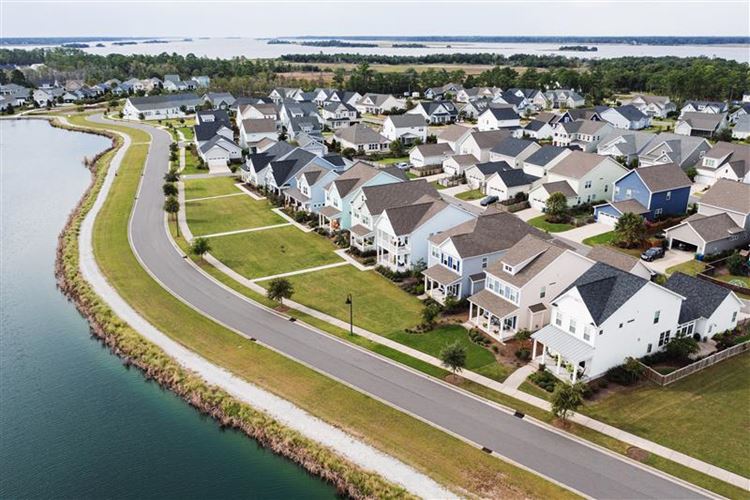
Changes that became increasingly important included:
- Multi-use spaces ideal for home offices or remote learning
- Enhanced indoor air quality
- Larger or more functional outdoor areas
- Floor plans that offered privacy within shared living
- Neighborhoods with trails, parks, and open-air amenities
- Homes designed to support both productivity and relaxation
These trends were not temporary adjustments. They reshaped long-term buyer expectations. Many new community designs today still reflect the lessons learned during the pandemic, giving buyers features that support a balanced, flexible lifestyle.
Lessons Learned From the Brookfield Residential Coronavirus Response
The coronavirus period tested companies in countless ways. Brookfield Residential’s experience highlights several meaningful lessons for homebuyers:
- Safety protocols are essential, not optional
- Clear communication builds trust even when delays occur
- Digital tools can enhance the buying experience
- Community support matters during times of crisis
- Flexible home designs are now a long-term priority
When a builder can navigate a global crisis without losing sight of its responsibilities, it speaks to its long-term reliability.
What Homebuyers Should Know Going Forward
If you are considering buying a home in a Brookfield community today, the pandemic experience still offers valuable insights.
Here’s what to consider:
1. Ask about current safety practices.
Even though the peak of the pandemic has passed, it’s important to know how a builder adapts during emergencies or health concerns.
2. Notice the communication style.
Builders that kept buyers informed during the coronavirus period demonstrated accountability and transparency. Those traits are worth looking for today.
3. Use digital options to your advantage.
Start with online tours, videos, and remote consultations to save time. Then schedule in-person visits for a complete experience.
4. Understand possible delays.
The pandemic highlighted how easily supply chain issues can affect construction. Clear timelines and honest conversations matter.
5. Choose homes with adaptable layouts.
Look for spaces that can support work, study, wellness, and leisure. Homes designed with flexibility in mind hold value long-term.
Conclusion: How the Brookfield Residential Coronavirus Response Shapes the Future of Homebuying
The story of brookfield residential coronavirus is ultimately a story of adaptation, resilience, and learning. It shows how a major builder confronted an unpredictable global crisis while trying to protect its workers, reassure its customers, and keep communities moving forward.
As a homebuyer today, you benefit from the lessons learned during that period. You get more flexible home designs, more digital tools, more structured safety practices, and a clearer understanding of how a builder’s values show up under pressure.
In a world where unexpected challenges can arise at any time, choosing a home — and a builder — that proved its ability to adapt can give you confidence that your future is in capable hands.
FAQs
What was the main goal of Brookfield Residential during the coronavirus period?
Their focus was to keep people safe while maintaining progress on homes. They balanced construction needs with health precautions to protect workers and buyers.
Did the company change how buyers viewed homes during the pandemic?
Yes. Brookfield Residential expanded virtual tours, remote meetings, and digital paperwork so buyers could explore and make decisions from home when needed.
Were show homes still open at the height of the pandemic?
Show homes remained accessible, but mostly through scheduled appointments. This approach reduced crowding and ensured each visit followed safety guidelines.
How did the pandemic affect home designs in Brookfield communities?
Many homes began emphasizing flexible spaces, better ventilation, and outdoor areas. The pandemic shifted buyer preferences, and new designs evolved to match those needs.
What should modern homebuyers learn from Brookfield’s coronavirus response?
Buyers should look for builders who communicate clearly, adapt quickly, and prioritize safety. These qualities often lead to a smoother and more reliable homebuying experience.
You May Also Read: Do the Driving Modes in Cadillac Lyriq Offer Different Ranges or Battery Usages? A Clear, Real-World Breakdown