


Writing looks simple on the surface, but small details often separate careful, trustworthy content from writing that feels rushed or unreliable. One such detail is capitalization—especially when it comes to place names. Many people casually write “lake texoma” in lowercase, assuming it does not matter. In reality, lake texoma should be capitalized, and this choice is rooted in clear grammatical rules, not personal preference.
- Why Capitalization in Place Names Is Not Optional
- What Makes Lake Texoma a Proper Noun
- The Role of Official Geographic Names
- Common Mistakes People Make When Writing “Lake Texoma”
- How Style Guides Treat Geographic Capitalization
- Capitalization in Academic, Journalistic, and Online Writing
- Why Capitalizing Lake Texoma Improves Clarity
- The SEO and Search Visibility Angle
- When Capitalization Would Not Apply
- Why This Small Detail Reflects Writing Quality
- Final Thoughts on Writing Lake Texoma the Right Way
- FAQs
Capitalization affects how readers perceive accuracy, professionalism, and credibility. When a place has an official name, that name deserves to be treated with consistency and respect. Understanding why capitalization matters helps writers avoid common mistakes and strengthens the overall quality of their work.
Why Capitalization in Place Names Is Not Optional
Capitalization is not decoration. It exists to signal meaning. In English, capital letters tell readers when a word is being used as a proper noun rather than a general description. This distinction helps readers immediately understand whether you are referring to something specific or something generic.
When you write about a named location, you are not just describing a feature—you are referencing an officially recognized place. Ignoring capitalization rules can subtly confuse readers or suggest carelessness. This is especially true in informative or educational writing, where accuracy matters.
The rule is simple but powerful: proper nouns are capitalized because they identify one specific entity. That principle applies to people, cities, countries, and geographic landmarks alike.
What Makes Lake Texoma a Proper Noun
A proper noun is a name given to a specific person, place, or thing. “Lake” on its own is a common noun. It could describe any lake anywhere in the world. However, when paired with a specific name, it becomes part of a proper noun.
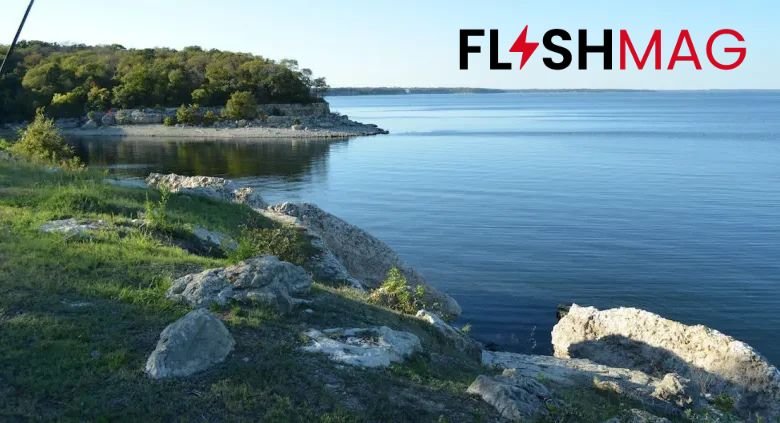
Lake Texoma is a named geographic feature with a defined location, recognized boundaries, and an established identity. It is not just any lake. It is one particular body of water, known by a specific name that distinguishes it from all others.
Because both words together form the official name, both parts must be capitalized. Writing “Lake Texoma” tells the reader you are referring to a unique place, not speaking in general terms.
The Role of Official Geographic Names
Geographic names are not invented casually. They are established through historical use, government records, and standardized naming systems. Maps, atlases, educational materials, and official documents all rely on consistency when referring to places.
Once a name becomes official, its capitalization becomes part of its identity. This consistency allows readers from different regions or backgrounds to recognize the same place without confusion. Lowercasing an official name breaks that consistency and weakens clarity.
In formal writing, following official naming conventions shows respect for both language rules and the subject itself.
Common Mistakes People Make When Writing “Lake Texoma”
One of the most common errors is treating “lake” as a generic descriptor even when it is clearly part of a name. Writers may lowercase it out of habit, especially in casual writing or online content.
Another mistake is inconsistency. Some articles capitalize the name in one sentence and lowercase it in another. This inconsistency distracts readers and undermines authority. Good writing is steady and predictable in its rules.
Sometimes the error comes from overthinking. Writers may assume that only the second word needs capitalization. In reality, when “Lake” is part of the proper name, it must be capitalized as well.
How Style Guides Treat Geographic Capitalization
Major style guides agree on one core principle: capitalize the names of specific geographic features. Whether the writing is academic, journalistic, or informational, the rule remains the same.
Style guides emphasize clarity and standard usage. Capitalizing named places helps maintain uniformity across publications and ensures readers encounter familiar names in familiar forms. Editors rely on these conventions to keep writing polished and professional.
This consistency is not about strictness for its own sake. It is about making writing easier to read and understand.
Capitalization in Academic, Journalistic, and Online Writing
Different types of writing may vary in tone, but grammar rules do not disappear online. Academic writing tends to be the strictest, but journalism and digital content follow the same foundational standards.
Online writing reaches a broad audience. Many readers rely on it as a source of information. Proper capitalization helps signal reliability, especially when discussing real-world locations.
Even in informal contexts, correct capitalization quietly improves credibility. Readers may not consciously notice it, but they often sense when something feels “off.”
Why Capitalizing Lake Texoma Improves Clarity
Clarity is one of the main goals of good writing. Capitalization plays a role in reducing ambiguity. When readers see “Lake Texoma,” they immediately recognize it as a specific place.
Lowercase writing can blur meaning, especially for readers unfamiliar with the location. Capital letters act as visual cues, guiding the reader through the text and helping them grasp meaning faster.
For international readers or non-native English speakers, these cues are even more important. Proper capitalization supports understanding without requiring extra explanation.
The SEO and Search Visibility Angle
While search engines can recognize words regardless of capitalization, readers still judge quality based on presentation. Clean, correct writing encourages people to stay on a page longer and trust the information they are reading.
Search visibility is not just about algorithms. It is also about human behavior. When readers feel confident in a piece of writing, they are more likely to engage with it, share it, and return to it.
Using correct capitalization reinforces professionalism. It shows that the writer pays attention to detail and values accuracy—qualities that matter in long-form content.
When Capitalization Would Not Apply
Capitalization depends on context. If you are using “lake” as a general term, it should remain lowercase. For example, “the lake was calm in the morning” does not refer to a specific named place.
Problems arise when writers confuse generic use with official naming. Once the full name is used, capitalization becomes necessary. Understanding this distinction prevents both under-capitalization and over-capitalization.
Good writing balances rules with context. Knowing when to capitalize is just as important as knowing when not to.
Why This Small Detail Reflects Writing Quality
Attention to detail is one of the clearest signs of strong writing. Small errors can make otherwise good content feel unfinished or unreliable.
Capitalization may seem minor, but it reflects a writer’s awareness of language standards. Readers often trust content that feels carefully constructed, even if they cannot pinpoint exactly why.
When lake texoma should be capitalized is understood and applied correctly, it demonstrates respect for both the subject and the reader.
Final Thoughts on Writing Lake Texoma the Right Way
Language works best when it is consistent and intentional. Capitalizing named places is not about being overly formal—it is about being clear, accurate, and respectful of established rules.
Lake Texoma is a specific, recognized location. Treating its name properly strengthens writing and avoids unnecessary confusion. Once writers understand why this rule exists, it becomes second nature.
In the end, good writing is built from small, thoughtful choices. Capitalizing Lake Texoma correctly is one of those choices that quietly but meaningfully improves the quality of any piece of content.
FAQs
Why should Lake Texoma be capitalized in writing?
Because it is the official name of a specific geographic location. Proper nouns like named lakes are always capitalized to clearly identify them.
Is it ever correct to write “lake texoma” in lowercase?
No, not when you are referring to the actual place. Lowercase “lake” is only correct when the word is used in a general, non-specific sense.
Do style guides agree that Lake Texoma should be capitalized?
Yes. Major style guides consistently require capitalization for officially named geographic features to maintain clarity and consistency.
Does capitalization matter in online or blog writing?
Yes. Even online, correct capitalization signals credibility, improves readability, and shows attention to detail.
Is Lake Texoma considered a proper noun?
Yes. Lake Texoma is a named location, which makes it a proper noun and requires capitalization.
You May Also Read: Venice Zohar Cage Coppola: A Glimpse Into a Famous Family’s Newest Generation