


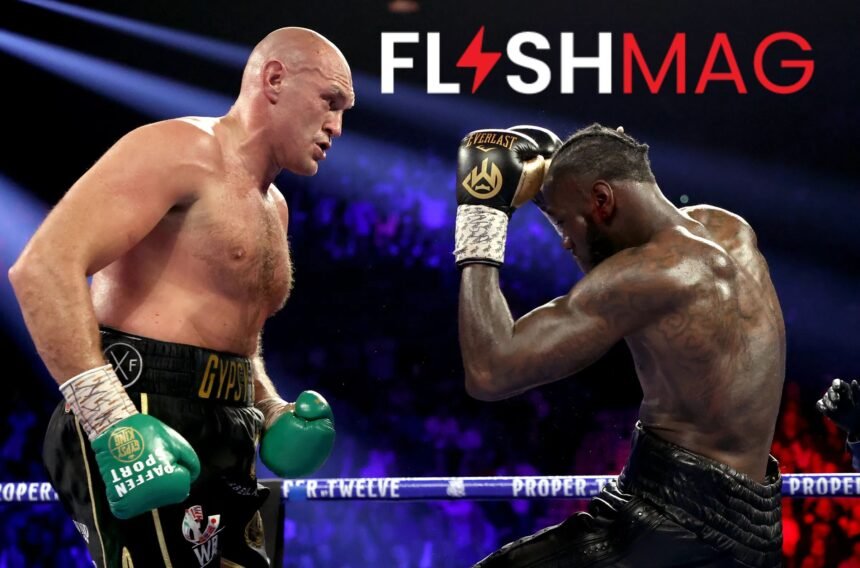
Deontay wilder vs tyson fury 2 stands as one of those rare heavyweight fights that changed how people talk about boxing. It was not only a rematch between two unbeaten champions, but a moment when belief met preparation, when raw power collided with discipline and tactical clarity. The bout felt like a crossroads for the heavyweight division, and in many ways it still does. Years later, fans and analysts return to that night because it captured the deeper truth of the sport. Boxing is not only about who hits harder. It is about who learns faster, adapts better, and holds their nerve when the pressure is at its highest.
- The Road to the Rematch
- Two Fighters, Two Mindsets
- Training Camps and Tactical Shifts
- Fight Night Atmosphere
- The Fight and Its Turning Points
- Why This Fight Changed the Heavyweight Landscape
- The Psychological Impact on Both Fighters
- Media Narratives and Public Debate
- Long-Term Career Effects
- What This Fight Represents for Modern Boxing
- Lessons for Fighters and Fans
- Conclusion
- FAQs
The Road to the Rematch
The story begins with the first encounter between Deontay Wilder and Tyson Fury. Their initial fight ended without a clear winner, leaving a sense of unfinished business. Many believed Fury had controlled the flow of the contest with movement and timing, while Wilder’s knockdowns reminded everyone that one clean punch can rewrite an entire fight. The draw satisfied no one. Fans wanted clarity. The fighters wanted validation. Promoters saw a rivalry with real emotional fuel.
Between the first bout and the rematch, both men carried the result in different ways. Wilder spoke openly about feeling robbed of a definitive victory. Fury framed the draw as proof that he could stand with the most dangerous puncher in the division. The months that followed were filled with interviews, bold statements, and rising tension. The rematch was not simply booked. It was demanded by the mood of the sport.
Two Fighters, Two Mindsets
The lead-up to deontay wilder vs tyson fury 2 revealed a contrast in mindset. Wilder leaned into the identity that had carried him to the top. He trusted his power and believed that sooner or later his right hand would find its mark. There was a sense of loyalty to the style that had delivered so many knockouts. This confidence had been earned over years of dramatic finishes and late-round turnarounds.
Fury’s mindset was different. He spoke about growth, about refining habits, and about entering the ring with a clearer plan. The focus was not only on surviving Wilder’s power, but on imposing a physical presence of his own. This shift in tone hinted at something important. Fury was not content with outboxing and escaping danger. He wanted to dominate moments, to control space, and to make the fight uncomfortable for his opponent.
Training Camps and Tactical Shifts
Preparation often decides outcomes long before the first bell rings. Wilder’s camp emphasized conditioning and explosiveness. The goal was to remain dangerous in every round, to keep the threat of the knockout alive. There was a belief that power, combined with patience, would eventually break through any defense.
Fury’s camp focused on small but meaningful changes. Footwork drills were sharper. Clinch work became a priority. The aim was to close distance at the right moments, lean on Wilder, and sap his energy. This was a subtle shift from a purely evasive approach to one that blended movement with controlled aggression. The difference in preparation reflected a deeper difference in philosophy. One fighter trusted the weapon he had always carried. The other built new tools to reshape the fight itself.
Fight Night Atmosphere
The atmosphere on fight night carried the feeling of a major sporting event rather than a routine title defense. The arena buzzed with anticipation. Fans understood that they were about to witness a defining chapter in a rivalry that had already delivered drama. The tension was not loud bravado. It was a quiet, heavy expectation. Everyone sensed that this rematch would not end in uncertainty.
The ring walk alone told a story. Each fighter carried his own ritual, his own way of managing nerves. The contrast in body language was striking. One looked coiled, waiting to explode. The other appeared calm, almost relaxed, as if the plan had already been rehearsed countless times in his mind.
The Fight and Its Turning Points
From the opening rounds, the tone of deontay wilder vs tyson fury 2 felt different from their first meeting. Fury established his jab early and stepped forward with intent. This was not a passive display of movement. It was a controlled assertion of presence. Wilder searched for timing, trying to create the space needed for his signature right hand.
As the rounds progressed, the momentum tilted. Fury’s ability to close distance disrupted Wilder’s rhythm. When the knockdowns came, they did more than score points. They shifted belief inside the ring. A fighter who had relied on the idea that he could always turn the tide with one punch now faced sustained pressure. The fight moved from a tactical contest into a test of resilience and adjustment.
By the time the stoppage arrived, the outcome felt inevitable. The rematch had produced clarity where the first fight had produced debate. The decisive nature of the result reshaped how both men were viewed within the sport.
Why This Fight Changed the Heavyweight Landscape
Every era of heavyweight boxing is defined by moments that reset expectations. This rematch did exactly that. For years, the narrative around power punchers suggested that one great equalizer could overcome technical gaps. The result challenged that belief. It showed that at the elite level, preparation and adaptability can neutralize even the most feared weapon.
The division itself felt the impact. Contenders and champions alike began to place renewed emphasis on well-rounded skill sets. Strength remained vital, but it was no longer seen as sufficient on its own. The fight became a reference point in discussions about modern heavyweight success. It reminded the sport that evolution is not optional. It is necessary.
The Psychological Impact on Both Fighters
Defeat and victory carry different kinds of weight. For Wilder, the loss demanded reflection. It exposed areas that could no longer be ignored. The mental challenge of reconciling self-belief with the reality of the result was perhaps the hardest part. Champions often build their identity around invincibility. When that image cracks, rebuilding confidence takes time and honesty.
For Fury, the win reinforced a narrative of redemption and growth. It validated the idea that change, even late in a career, can lead to breakthroughs. The psychological boost extended beyond one night. It shaped how Fury approached future challenges, with a deeper trust in preparation and adaptability rather than relying solely on natural talent.
Media Narratives and Public Debate
The aftermath of deontay wilder vs tyson fury 2 sparked intense discussion. Some focused on the tactics and execution that led to the result. Others debated the long-term implications for both fighters’ legacies. The conversation was not limited to boxing circles. Casual sports fans were drawn into the story because it carried universal themes. Preparation versus belief. Change versus tradition. Growth versus comfort.
Media narratives often seek simple explanations, but this fight resisted simplification. It was not a story of one man being better in every way. It was a story of one approach proving more effective on that night. That nuance kept the debate alive and meaningful.
Long-Term Career Effects
The long-term effects of the rematch extended beyond immediate rankings. For Wilder, the path forward involved reassessment. The loss became a reference point in every subsequent performance. Fans and critics watched closely to see whether adjustments would follow. The pressure to evolve became part of his public journey.
For Fury, the victory marked a new phase of authority within the division. He was no longer only the clever boxer who could frustrate opponents. He was seen as a complete heavyweight who could control a fight physically and mentally. This shift in perception influenced future matchups and the broader narrative of the division’s hierarchy.
What This Fight Represents for Modern Boxing
Modern boxing often balances tradition with spectacle. The rematch highlighted how storytelling, rivalry, and tactical evolution can coexist. It reminded audiences that boxing is not just a sequence of punches. It is a living narrative shaped by choices, adjustments, and the willingness to step outside comfort zones.
The fight also reinforced the importance of mental preparation. Physical conditioning matters, but belief alone is not enough. Strategy, discipline, and the courage to adapt define success at the highest level. In that sense, the rematch became a case study for fighters and trainers who seek sustainable excellence rather than fleeting glory.
Lessons for Fighters and Fans
There are lessons in deontay wilder vs tyson fury 2 that extend beyond the ring. For fighters, the message is clear. Never become so attached to one strength that you neglect the rest of your game. Growth often begins where comfort ends. For fans, the lesson is about appreciation. Great fights are not only about knockouts or drama. They are about the unfolding of strategy, the testing of character, and the courage to evolve.
The rematch showed that even at the highest level, learning never stops. The sport rewards those who remain curious about their own limits and open to reshaping their approach.
Conclusion
Deontay wilder vs tyson fury 2 endures because it offered clarity in a sport often defined by uncertainty. It revealed how preparation can redefine narratives and how adaptability can turn rivalry into resolution. The fight did more than crown a winner. It reshaped expectations within the heavyweight division and left a lasting imprint on modern boxing culture.
Years later, the bout remains a reference point for what the sport can be at its best. A meeting of contrasting styles. A test of belief against preparation. A reminder that in boxing, as in life, growth is the true measure of greatness.
FAQs
Why is deontay wilder vs tyson fury 2 considered such an important fight?
The rematch mattered because it delivered a clear result after a controversial first meeting. It showed how strategy and preparation can change the course of a rivalry, making it a reference point for modern heavyweight boxing.
What was the biggest difference between the first fight and the rematch?
In the second fight, the approach was more physical and controlled. The pace, positioning, and pressure created a very different dynamic compared to the more tactical and cautious rhythm of the first bout.
How did the outcome affect the careers of both fighters?
The result pushed both athletes onto different paths. One had to reflect and adapt, while the other gained confidence and authority within the heavyweight division, shaping future opportunities and expectations.
What can young boxers learn from this rematch?
The fight highlights the value of evolving your style. Relying on a single strength is risky at the highest level. Well-rounded skills and the willingness to adjust can be the difference between winning and losing.
Why do fans still talk about this fight years later?
Because it captured more than a result. The rematch told a story of rivalry, change, and decisive moments, which continues to resonate with fans who value depth and meaning in big sporting events.
You May Also Read: Pamela Anderson Net Worth in 2026: How She Built Her Fortune Over the Years