


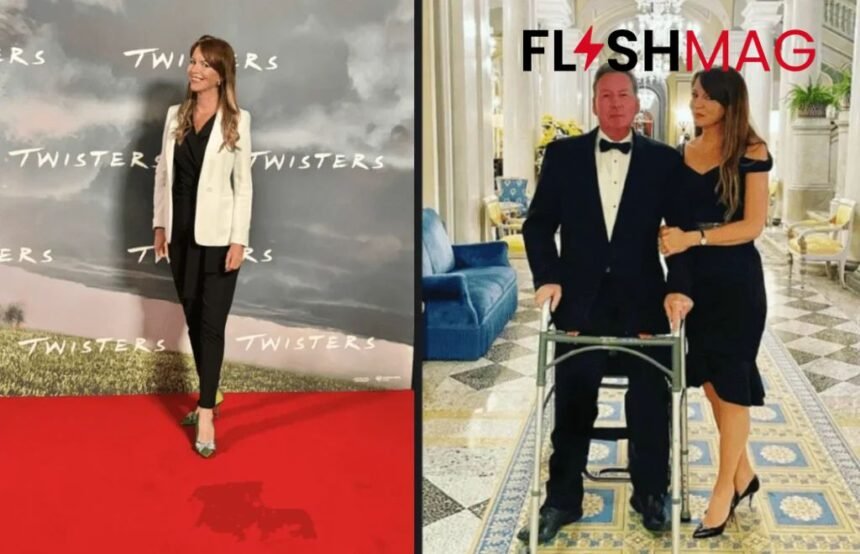
Public figures often become subjects of curiosity, especially when they appear regularly on television or social media. Their presence creates a sense of familiarity, and that familiarity sometimes leads people to form assumptions or ask personal questions. The rise of searches around “elizabeth rizzini disability” is a clear example of how speculation can grow online, even when there is no direct statement or evidence from the person involved.
- A Look at Elizabeth Rizzini’s Public Journey
- Where Did the Disability Rumors Come From?
- What’s Real: Her Publicly Known Life and Career
- What’s Misunderstood: How Rumors Evolve Without Facts
- The Human Side — Respecting Privacy in a Digital Age
- Disability Talk and Public Figures — Why Accuracy Matters
- Understanding the Impact of False Assumptions
- A More Compassionate Way to Engage With Public Personalities
- Conclusion
- FAQs
These conversations usually begin innocently, but when health or disability is involved, accuracy and sensitivity matter. In this article, we take an in-depth, factual, and human look at who Elizabeth Rizzini is, why these rumors may have started, and what the truth appears to be. The goal is to filter what’s real from what is simply misunderstood.
A Look at Elizabeth Rizzini’s Public Journey
Elizabeth Rizzini is widely known for her work as a weather presenter for the BBC. She has been part of the broadcasting world for many years, presenting forecasts across local and national platforms. Her confident delivery, friendly communication style, and strong on-screen presence have made her a familiar figure to audiences.
Her background extends beyond broadcasting. She has lived in France and Spain, speaks multiple languages, and has academic training in climate-related fields. These qualities help her bring depth and knowledge to her work, which is one reason she is respected among colleagues and viewers alike.
Because she appears frequently on screen, viewers often feel a personal connection with her, even without knowing much about her private life. That natural curiosity may be one reason people search for details beyond her professional profile — including the topic of disability.
Where Did the Disability Rumors Come From?
The interest surrounding elizabeth rizzini disability did not appear suddenly. It seems to have grown from a mixture of online chatter, misinterpretation, and indirect association rather than any direct statement from Elizabeth herself.
A major source of confusion likely comes from her partner, who uses a wheelchair due to injuries he experienced years ago. Some online articles have discussed his disability, and in those discussions, Elizabeth’s name naturally appears because of their relationship. Over time, some sources blur these details, and casual readers may mistakenly assume the disability refers to Elizabeth instead of her partner.
In addition, certain entertainment or tabloid-style articles often summarize information loosely, sometimes merging details unintentionally. This creates a chain reaction: once one article misphrases something, others may repeat it, and eventually the rumor spreads into search engines.
This is how the phrase “Elizabeth Rizzini disability” began circulating — not from evidence, but from misinterpretation and algorithmic repetition.
What’s Real: Her Publicly Known Life and Career
When you look at Elizabeth Rizzini’s visible professional life, one thing is clear: there is no verified, public information supporting the idea that she has a disability. She continues to appear regularly on screen, work actively, and participate in the demanding schedule that television broadcasting requires.
Her career shows:
- Ongoing presenting work with the BBC
- Strong focus on weather reporting and climate topics
- Active engagement with viewers
- Consistent participation in public and studio events
Nothing in her public activity suggests any personal disability or limitation. If there were any health-related updates she wished to share, she would likely do so in her own time and on her own terms.
Instead, the facts show a successful professional with a steady presence and commitment to her work.
What’s Misunderstood: How Rumors Evolve Without Facts
When talking about public figures, especially well-known broadcasters, even small details can get magnified. A photograph taken at a certain angle, a moment of tiredness on air, or even a simple change in routine can lead to assumptions.
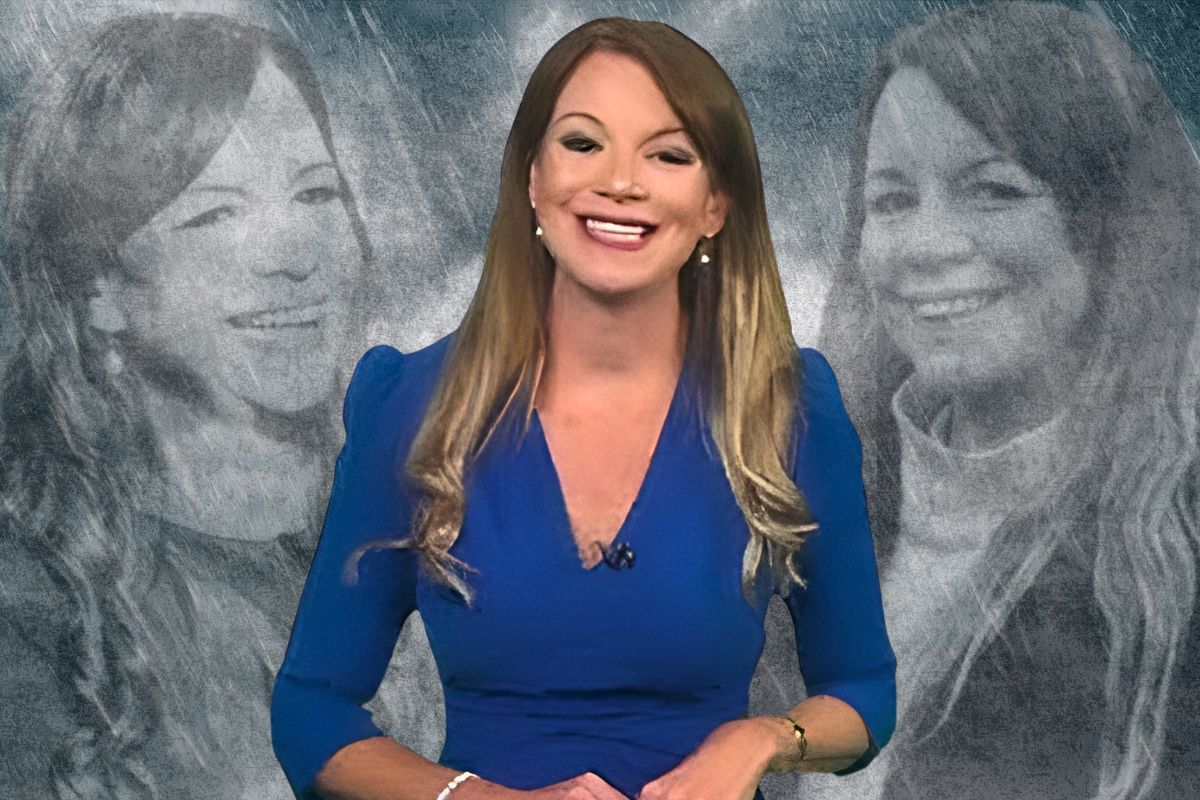
This happens to many presenters, actors, and personalities in the digital age. Online speculation requires very little fuel — a few guesses in a comment section can quickly turn into a “topic of interest.”
In Elizabeth’s case, the misunderstanding seems to come from:
- Misquoted or loosely written articles
- Confusion with her partner’s well-known disability
- Search engine aggregation of similar terms
- Repetition of online content without fact-checking
Once the phrase appears in search engines, it becomes a self-sustaining cycle. People see the search term, assume it is referencing a real situation, and then search it again, strengthening it further. In reality, this reflects how digital rumor clouds grow — not necessarily that the subject of the rumor has confirmed anything.
The Human Side — Respecting Privacy in a Digital Age
Elizabeth Rizzini, like any individual, has a right to privacy. Being on television does not erase personal boundaries or create an obligation to disclose private matters, including health-related topics.
Talking about disability requires care. Even well-intentioned curiosity can cross into the realm of intrusion. If someone has not publicly spoken about a condition, it’s generally more respectful to avoid making assumptions.
This moment is a reminder that:
- Public visibility does not equal full transparency.
- Personal health is private unless someone chooses to share it.
- Misinterpreting information about someone can cause unnecessary discomfort.
A thoughtful approach recognizes that behind every public face is a human being with their own boundaries and personal space.
Disability Talk and Public Figures — Why Accuracy Matters
Public discussions about disability can be meaningful when handled accurately and respectfully. However, they become harmful when built on speculation, shaky assumptions, or incomplete information.
When inaccurate disability narratives form around someone — especially someone who has not spoken about such matters — it can lead to misunderstandings and reinforce stereotypes. It may place unnecessary attention on aspects of a person’s life that are not relevant to their professional contributions.
For Elizabeth Rizzini, the focus should remain on her work, expertise, and presence as a broadcaster rather than on unverified theories about her health.
Understanding the Impact of False Assumptions
Rumors about disability can impact a public figure in several ways:
Emotionally — Being misidentified or misunderstood can be upsetting, especially when health topics are involved.
Professionally — Unfounded assumptions can distract from a person’s achievements and shift attention away from their work.
Socially — Misleading narratives may influence how audiences perceive or speak about someone.
False assumptions also create a ripple effect: they lead others to question, repeat, or further distort a situation. This reinforces the importance of verifying information before participating in such conversations.
A More Compassionate Way to Engage With Public Personalities
There are healthier, more constructive ways to engage with public figures and their stories:
- Focus on what the person has openly shared.
- Avoid assuming health conditions without direct confirmation.
- Treat disability conversations with empathy and accuracy.
- Remember that everyone deserves fairness and respect, regardless of public status.
When we adopt this approach, we contribute to a more informed and compassionate online culture — one that values truth, protects privacy, and avoids unnecessary speculation.
Conclusion
After reviewing publicly known information, it is clear that there is no factual basis for the rumor that Elizabeth Rizzini has a disability. The speculation seems to be rooted in confusion with her partner’s situation and the way search engines repeatedly surface similar phrases.
This article isn’t about denying or confirming anything private — it is about responsible storytelling. Discussions around elizabeth rizzini disability should be grounded in respect, accuracy, and the understanding that personal health information belongs to the individual alone.
In a world where information spreads faster than ever, clarity and kindness are essential. By recognizing the difference between fact and rumor, we contribute to a healthier, more respectful way of discussing the lives of people we see on screen.
FAQs
Why do people search for “Elizabeth Rizzini disability”?
People search this phrase mostly because of online confusion and repeated misinformation. Some articles mix details about her partner’s disability with her own name, which leads to misunderstandings.
Has Elizabeth Rizzini ever spoken publicly about having a disability?
No. She has not shared any public statement indicating that she has a disability. Everything known about her comes from her professional work and public appearances, none of which suggest such a condition.
Where did the rumors about her disability start?
The rumors appear to come from misinterpretation. Since her partner uses a wheelchair, some sources incorrectly connected this detail to her, creating confusion that spread online.
Is it appropriate to speculate about a public figure’s health?
Speculating about someone’s health can be intrusive and misleading. Personal health information is private, and unless a public figure chooses to share it, assumptions should be avoided.
What should readers focus on instead of these rumors?
Readers can focus on Elizabeth Rizzini’s work, expertise, and contributions in broadcasting. Her professional achievements reflect her public identity far more than any unverified rumor.
You May Also Read: Luxury Villas Greece Le Collectionist: A Thoughtful Guide for Your Next Getaway