


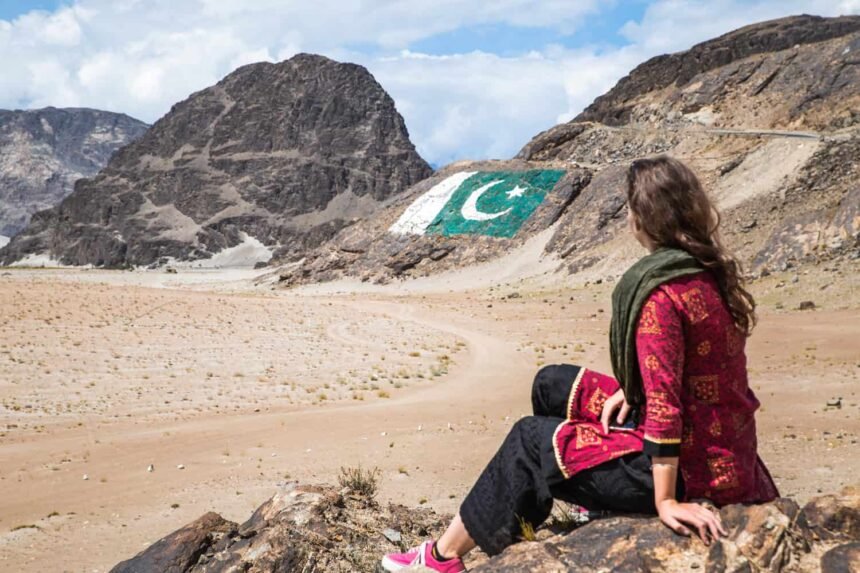
Packing for Pakistan is one of the things first-time visitors tend to overthink before they go. The short answer is that you do not need to dress in a completely different way from yourself, but you do need to dress with a bit more awareness than you might in some other destinations. Pakistan is varied, modern in many places, conservative in others, and strongly shaped by local customs, climate and setting. The easiest approach is to think practical first, respectful second, and fashionable third.
- The general rule: modest, comfortable and easy to layer
- What women travellers usually find easiest to wear
- What men travellers should wear
- City dress and rural dress can feel different
- Dressing for mosques and cultural sites
- Weather matters as much as culture
- Shoes, scarves and the small things that help
- What travellers should avoid
That matters from the planning stage onwards. When you are comparing routes, hotels and cheap flights to Pakistan, it is worth remembering that what works in Karachi in the heat is not necessarily what you will want in Lahore, Islamabad or the northern mountains. A good packing list is less about one perfect “Pakistan outfit” and more about building flexible clothes that let you move comfortably between cities, road trips, cultural sites and different weather conditions.
The general rule: modest, comfortable and easy to layer
For most travellers, the safest style is simple and modest. Clothes that cover the shoulders, chest and legs tend to work best in most situations. That does not mean you need formalwear or anything especially traditional every day. It simply means avoiding outfits that feel very revealing, very tight or too beach-focused for everyday travel.
Loose trousers, long skirts, relaxed shirts, T-shirts with sleeves, lightweight long-sleeved tops and breathable layers all work well. You want clothes that keep you comfortable in heat, protect you from sun and dust, and help you feel appropriately dressed whether you are walking through a market, stopping at a roadside café or visiting a historic mosque.
Pakistan is a place where blending in slightly makes travel easier. You are still clearly a visitor, of course, but dressing thoughtfully tends to reduce unwanted attention and helps you feel more at ease.
What women travellers usually find easiest to wear
Women do not need to wear local dress, but many find that Pakistan becomes easier once they lean towards looser and more covered clothing. Trousers with a long top, a midi or maxi dress with a light layer, or a tunic-style shirt with trousers all tend to work well. A scarf is useful to carry even if you do not wear it all the time. It can help with mosque visits, sun, dust, air conditioning or simply moments when you want an extra layer.
Many female travellers end up buying or wearing shalwar kameez during the trip, not because it is required, but because it is practical. It suits the climate, feels comfortable for long days, and often attracts less attention than very obviously tourist-style clothing. That said, it is completely possible to travel comfortably in your own clothes as long as they are modest and well chosen.
Leggings on their own with a short top are usually less ideal than loose trousers or leggings under something longer. Sleeveless tops, low-cut vests and very short dresses are best left out for most trips.
What men travellers should wear
Men generally have more flexibility, but practicality and modesty still matter. T-shirts, polos, shirts and lightweight trousers work well almost everywhere. Shorts are where first-time visitors often hesitate. In some high-end hotels or very casual tourist settings, shorts may be fine, but in everyday city travel they can look out of place. Long trousers or smart casual lightweight trousers are usually the easier option.
Like women, men may find local clothing surprisingly useful. A simple shalwar kameez can be comfortable in hot weather and works especially well if you are travelling for longer, spending time with locals or visiting smaller towns. It is not essential, but many travellers enjoy having one.
City dress and rural dress can feel different
One of the main mistakes visitors make is assuming Pakistan has one single dress standard. In reality, expectations shift depending on where you are. In major cities such as Lahore, Karachi and Islamabad, you will see a broader range of clothing, especially in upscale areas, hotels and restaurants. Even so, modest dress still tends to feel more comfortable for travellers.
In smaller towns and rural areas, people may dress more conservatively, and visitors often feel better when they reflect that. This does not mean you need to overdo it. It just means being slightly more covered and slightly more understated than you might be in a large city.
Dressing for mosques and cultural sites
If you plan to visit mosques, shrines or other religious sites, modest dress becomes more important. Clothes should cover your arms and legs, and women may want a scarf ready for head covering where appropriate. Shoes may need to come off before entering certain spaces, so slip-on footwear can be handy.
Even outside religious sites, it is worth remembering that Pakistan is not really a dress-for-the-beach kind of destination unless you are in a clearly private resort setting. Save swimwear for private pools or enclosed hotel areas rather than public spaces.
Weather matters as much as culture
Pakistan’s climate changes dramatically by region. In the plains and southern cities, summer can be extremely hot, so breathable fabrics matter. Cotton, linen blends and loose shapes make a big difference. In the north, especially on road trips or in mountain areas, mornings and evenings can be cool even when daytime sun feels strong. Layers are more useful than bulky clothing.
That is why packing should match your route. A city-heavy trip in warm weather needs sun protection, airy fabrics and comfortable shoes. A northern itinerary needs a light jacket, warmer layers and practical walking clothes. Pakistan is not a place where one suitcase formula covers every destination equally well.
Shoes, scarves and the small things that help
Footwear matters more than people sometimes expect. Comfortable trainers, walking shoes or supportive sandals are better than anything purely fashionable. Streets can be uneven, dusty or busy, and you may spend longer on your feet than planned.
A scarf or shawl is one of the most useful items you can pack, especially for women but honestly for anyone. It can help with sun, modesty, wind, dust and sudden temperature changes. Sunglasses, a hat and light layers also make everyday travel easier.
What travellers should avoid
The easiest things to leave at home are very short shorts, crop tops, see-through fabrics, beachwear, very tight club-style outfits and anything that feels more suited to a resort holiday than everyday travel. These choices are not just about cultural respect. They can also make you feel more visible and less comfortable.
Dress to travel well, not to perform
The best packing mindset for Pakistan is not “How do I look local?” but “How do I travel comfortably and respectfully?” If your clothes let you move easily, stay cool or warm when needed, visit cultural sites without stress and feel confident in different settings, then you have packed well.
For most first-time travellers, that means modest layers, breathable fabrics, practical shoes and a little flexibility. You do not need to reinvent your style. You just need to adapt it slightly to the country you are visiting.