


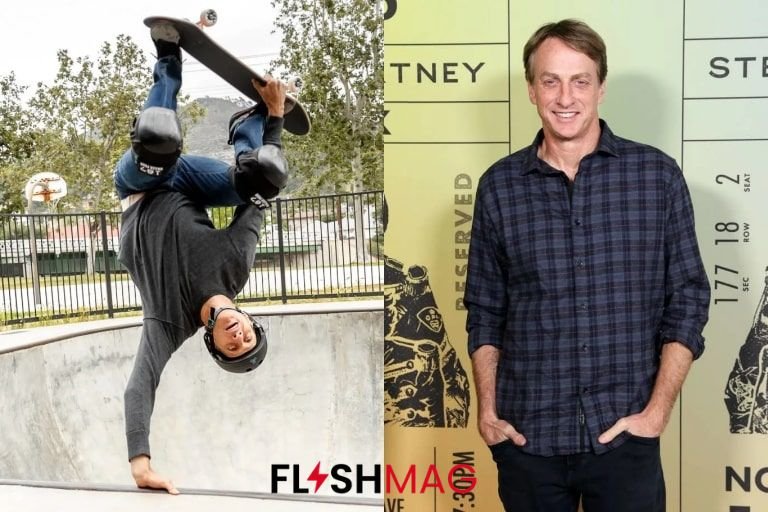
Most people remember their first encounter with Tony Hawk in one of two ways. It was either watching him land gravity-defying tricks on television or spending countless hours mastering digital skate parks in a video game carrying his name. Either way, he left an impression.
- Understanding Tony Hawk Net Worth
- Early Life and Introduction to Skateboarding
- Competitive Success and Career Earnings
- The Video Game Revolution
- Founding Birdhouse Skateboards
- The Historic 900 Trick
- Media Appearances and Entertainment Projects
- Investments Beyond Skateboarding
- Philanthropy and Giving Back
- Why Tony Hawk Remains Relevant Today
- Lessons Entrepreneurs Can Learn
- Public Interest in Tony Hawk Net Worth
- Conclusion
- FAQs
Skateboarding once occupied a niche corner of sports culture. It wasn’t widely viewed as a path to serious wealth or long-term career success. Yet Tony Hawk somehow transformed a passion that many considered rebellious into an enduring business empire. That’s precisely why discussions about Tony Hawk Net Worth continue to attract attention today.
His financial story isn’t simply about prize money or endorsements. It’s about recognizing opportunities, adapting to changing markets, and staying relevant for decades in an industry that constantly reinvents itself.
Understanding Tony Hawk Net Worth
When people search for information about Tony Hawk Net Worth, they’re usually looking beyond a single number. They want to understand how a skateboarder became one of the wealthiest and most recognizable athletes associated with action sports.
His fortune has been built through multiple income streams accumulated over several decades. Unlike athletes who depend almost entirely on salaries or competition winnings, Hawk developed a diversified approach to wealth generation.
His earnings have reportedly come from several areas:
- Professional skateboarding
- Sponsorship agreements
- Licensing deals
- Video game royalties
- Business ventures
- Real estate investments
- Media appearances
- Public speaking engagements
That variety matters.
Diversification often separates financially successful athletes from those whose fortunes disappear shortly after retirement.
Early Life and Introduction to Skateboarding
Tony Hawk was born in California in 1968 and displayed unusual energy from an early age.
His parents reportedly noticed that he possessed intense focus and determination. Skateboarding eventually became an outlet where those traits flourished.
By the age of fourteen, Hawk had already secured sponsorship deals.
That sounds impressive now, but skateboarding during the late 1970s and early 1980s looked very different from today’s global industry.
There were fewer competitions.
Limited media exposure.
Minimal financial rewards.
Professional skateboarders were hardly viewed as future millionaires.
Still, Hawk kept practicing.
Sometimes success begins with obsession.
For him, mastering increasingly difficult tricks wasn’t merely entertainment; it became a pathway toward professional opportunities.
Becoming a Teenage Professional
At sixteen, Tony Hawk was already considered among the best skateboarders in the world.
His aggressive style, technical precision, and willingness to innovate distinguished him from competitors.
Many athletes experience brief moments of popularity.
Hawk built something far more valuable.
He established credibility.
Fans respected his consistency.
Brands appreciated his marketability.
Event organizers wanted his participation.
All these factors gradually contributed to building the foundation behind his eventual financial success.
Competitive Success and Career Earnings
Competition victories certainly played a role in increasing Tony Hawk’s visibility.
Throughout the 1980s and 1990s, he dominated numerous skateboarding events.
Winning contests generated prize money, but perhaps more importantly, victories increased his negotiating power.
Sponsors prefer athletes who consistently perform at elite levels.
Companies seek personalities capable of representing their brands effectively.
Tony Hawk happened to offer both.
Major Sponsorship Deals
Athletes often underestimate sponsorship opportunities.
Tony Hawk recognized their value early.
He partnered with several well-known companies over the years, promoting products connected to sports, apparel, equipment, and lifestyle brands.
These endorsement agreements frequently provided more stable income than competition winnings.
For professional athletes, sponsorships can continue long after competitive careers decline.
Tony Hawk appears to have understood this dynamic exceptionally well.
The Video Game Revolution
Arguably, one of the biggest contributors to Tony Hawk Net Worth came from an unexpected place.
Video games.
Back in 1999, few people anticipated the cultural impact of the Tony Hawk skateboarding franchise.
Then everything changed.

Tony Hawk’s Pro Skater Changed Everything
The release of Tony Hawk’s Pro Skater introduced skateboarding to millions of households worldwide.
Suddenly, children who had never stepped onto a skateboard knew tricks like kickflips, grinds, and manuals.
The franchise achieved enormous commercial success.
Multiple sequels followed.
Players spent years exploring levels, collecting items, and attempting impossible combinations.
For Tony Hawk himself, the games represented much more than personal branding.
They became a significant financial asset.
Licensing agreements and royalty arrangements likely generated substantial income over many years.
Some industry observers believe gaming partnerships contributed tens of millions of dollars to his overall fortune.
Regardless of exact figures, the games undoubtedly transformed his financial trajectory.
Building a Cultural Legacy
Very few athletes transcend their sport.
Michael Jordan accomplished it.
Tiger Woods did as well.
Tony Hawk belongs in that conversation.
People who never watched professional skateboarding competitions still recognize his name because of gaming culture.
That’s remarkable.
Cultural relevance often proves more profitable than athletic accomplishments alone.
Founding Birdhouse Skateboards
Tony Hawk didn’t rely solely on sponsorship deals.
He pursued entrepreneurship.
In 1992, he co-founded Birdhouse Skateboards.
At the time, skateboarding experienced periods of declining popularity.
Launching a company carried significant risks.
Yet Hawk believed in the long-term potential of skate culture.
Birdhouse evolved into one of the industry’s most respected skateboard brands.
The company produces:
- Skateboard decks
- Clothing
- Accessories
- Equipment
Owning equity in a successful business provides advantages that endorsements cannot match.
Instead of receiving temporary payments, entrepreneurs benefit from ongoing growth and brand expansion.
Birdhouse became another pillar supporting Tony Hawk Net Worth.
The Historic 900 Trick
Some moments permanently alter an athlete’s career.
For Tony Hawk, landing the 900 during the 1999 X Games became legendary.
After numerous failed attempts, Hawk completed two and a half aerial rotations.
Crowds erupted.
Television networks replayed the footage repeatedly.
Sports fans still discuss the moment decades later.
Why the 900 Mattered Financially
Iconic achievements increase visibility.
Visibility attracts sponsors.
Sponsors increase earning opportunities.
Media invitations multiply.
Merchandise sales rise.
The 900 wasn’t directly responsible for millions of dollars overnight.
However, it strengthened Hawk’s image as skateboarding’s defining figure.
That distinction carried tremendous commercial value.
Media Appearances and Entertainment Projects
Tony Hawk possesses an approachable personality.
He doesn’t appear overly polished or manufactured.
Perhaps that’s part of his appeal.
Over the years, he has appeared in:
Television shows.
Documentaries.
Films.
Podcasts.
Commercial campaigns.
Interviews.
Public speaking events.
Media participation creates another income stream while helping maintain public interest.
People enjoy hearing stories from athletes who achieved extraordinary goals without losing authenticity.
Hawk generally fits that description.
Investments Beyond Skateboarding
Successful wealth builders rarely depend on a single industry.
Diversification remains important.
Although Hawk keeps many financial details private, reports indicate he has invested in real estate and other ventures.
Real estate often appeals to high-net-worth individuals because it offers long-term appreciation potential.
Owning valuable properties contributes stability.
Investment income also reduces reliance on active work.
Athletes eventually retire.
Businesses slow down.
Markets fluctuate.
Passive income becomes increasingly attractive over time.
Learning Financial Discipline
Tony Hawk has spoken openly about difficult periods early in his career.
During skateboarding downturns, sponsorship opportunities declined.
Financial uncertainty existed.
Experiencing setbacks probably influenced later decisions.
People who endure challenging periods frequently become more cautious investors.
Sometimes hardship teaches better lessons than immediate success ever could.
Philanthropy and Giving Back
Financial success means different things to different people.
For some individuals, it’s luxury.
For others, it’s impact.
Tony Hawk established The Skatepark Project, formerly known as the Tony Hawk Foundation.
The organization focuses on creating public skateparks for underserved communities.
Skateparks provide safe spaces.
Young people gain opportunities to exercise, socialize, and develop skills.
Many communities previously lacked access to quality facilities.
The foundation has supported hundreds of projects throughout the United States.
Charitable efforts may not increase net worth directly.
Yet they enhance legacy.
And legacy often becomes more meaningful than financial statements.
Why Tony Hawk Remains Relevant Today
Athletes sometimes disappear from public consciousness after retirement.
Tony Hawk avoided that fate.
Several factors explain his continued relevance.
Adaptability
Markets evolve constantly.
Tony Hawk adapted.
He embraced gaming.
Social media.
Documentaries.
Collaborative projects.
Brand partnerships.
Adaptability keeps audiences engaged.
Authentic Personality
People generally appreciate authenticity.
Hawk often jokes about being recognized in airports by individuals who vaguely know his face but cannot identify his accomplishments.
Those moments feel relatable.
Fame can become isolating.
He seems to approach it with humor.
Cross-Generational Appeal
Parents who played Tony Hawk games now introduce skateboarding to their children.
Few athletes maintain relevance across multiple generations.
That ability carries considerable economic value.
Lessons Entrepreneurs Can Learn
Tony Hawk’s story extends beyond sports.
Business owners can extract useful insights.
Turn Passion Into Opportunity
Passion alone isn’t enough.
Strategic thinking matters.
Hawk transformed enthusiasm into products, companies, and partnerships.
Build Multiple Revenue Streams
Relying exclusively on one source of income increases risk.
Diversification protects long-term stability.
Stay Open to Change
Some athletes resisted gaming culture.
Tony Hawk embraced it.
That decision altered his financial future.
Protect Your Reputation
Trust takes years to build.
Credibility encourages partnerships and repeat opportunities.
Tony Hawk cultivated a reputation associated with professionalism and consistency.
Public Interest in Tony Hawk Net Worth
People remain fascinated by celebrity wealth.
It’s understandable.
Financial stories reveal decision-making processes.
They demonstrate how careers evolve.
They inspire questions.
Could someone starting in an unconventional field achieve similar results?
Tony Hawk suggests the answer might be yes.
Success doesn’t always follow traditional pathways.
Skateboarding wasn’t initially viewed as a billion-dollar industry.
Someone had to prove its commercial potential.
Hawk happened to become one of the individuals who accomplished exactly that.
Conclusion
Examining Tony Hawk Net Worth reveals much more than an impressive balance sheet. It tells the story of someone who pursued a passion others underestimated and gradually transformed it into a lasting business empire.
From dominating skateboarding competitions to launching successful companies, embracing video game culture, investing wisely, and supporting community initiatives, Hawk consistently found ways to evolve. His journey demonstrates that wealth rarely emerges from talent alone. It often grows through persistence, calculated risks, adaptability, and a willingness to recognize opportunities others might overlook.
Perhaps that’s the most compelling part of his story. Tony Hawk didn’t simply become a wealthy skateboarder. He helped redefine what was possible for an entire generation of athletes, proving that sometimes the biggest tricks happen off the ramp.
FAQs
1. What is Tony Hawk’s net worth?
Tony Hawk’s net worth is estimated to be in the tens of millions of dollars, earned through skateboarding, business ventures, endorsements, video games, and investments. Estimates vary depending on the source and year.
2. How did Tony Hawk make most of his money?
While professional skateboarding launched his career, much of Tony Hawk’s wealth comes from licensing deals, the highly successful Tony Hawk’s Pro Skater video game series, sponsorships, and his Birdhouse Skateboards company.
3. Does Tony Hawk still earn money from skateboarding?
Yes, Tony Hawk continues to generate income through his skateboarding brand, public appearances, merchandise sales, media projects, and partnerships related to the sport.
4. What business does Tony Hawk own?
Tony Hawk co-founded Birdhouse Skateboards, one of the most recognized skateboard companies in the industry. He has also been involved in other business and investment opportunities over the years.
5. Is Tony Hawk involved in charity work?
Yes, Tony Hawk supports skateboarding communities through The Skatepark Project, an organization that helps fund and develop public skateparks in underserved areas, giving young people safe places to skate and connect.
You May Also Read:Getting to Know Klarissa Munz: Family, Career, and Public Interest