


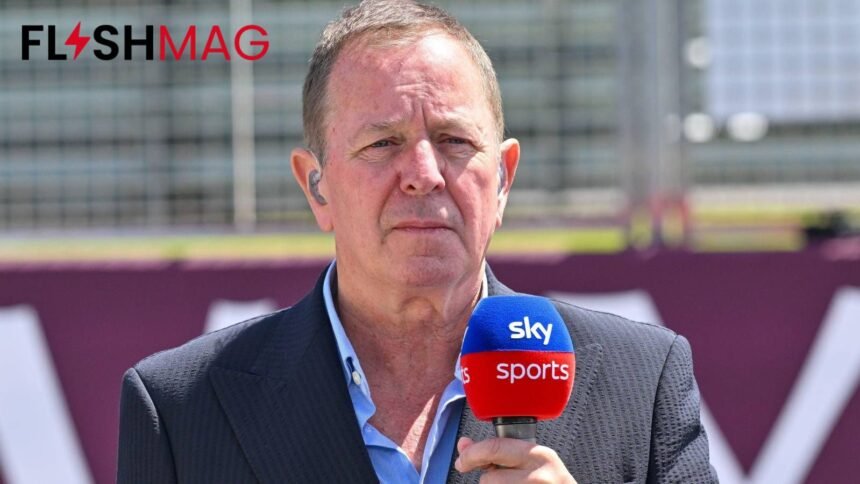
Formula 1 has never really been a quiet sport. The engines scream, team radios explode with tension, and fans debate every tiny incident as if it decides the future of humanity. Somewhere in the middle of all that noise sits a voice many viewers instantly recognize. Calm one moment, sharply critical the next, and occasionally funny without even trying too hard — that’s what makes Martin Brundle stand out.
- Why Martin Brundle Connects With Formula 1 Fans
- The Racing Career Behind the Microphone
- Martin Brundle and the Evolution of Formula 1 Broadcasting
- Honest Commentary in an Era of Public Relations
- Explaining the Technical Side Without Losing the Audience
- The Chemistry Between Commentators
- Fans Appreciate Authentic Reactions
- Criticism Without Cruelty
- The Human Side of Formula 1
- Martin Brundle’s Influence on Modern Motorsport Coverage
- The Challenges of Staying Relevant
- Why Authentic Voices Matter in Sports
- The Lasting Appeal of Martin Brundle
- FAQs
For a lot of Formula 1 fans, race weekends simply feel different when he’s around. There’s a certain comfort in hearing someone who genuinely understands the sport speak without sounding overly polished or scripted. In an era where media training often smooths out every opinion, Brundle still sounds like a real person reacting in real time. Honestly, that’s becoming rare.
What makes his commentary so memorable isn’t just technical knowledge. Plenty of former drivers know racing. The difference is that Martin Brundle manages to explain complex moments in a way that feels natural, even to casual viewers. One second he’s discussing tire degradation, the next he’s joking awkwardly with celebrities during a grid walk. Somehow, it all works.
Why Martin Brundle Connects With Formula 1 Fans
Some commentators sound like they’re reading directly from a corporate handbook. Every sentence feels carefully approved. Brundle has never really fit that mold.
There’s a spontaneity to his broadcasting style that keeps people engaged. He’ll praise a brilliant move without hesitation, but he’s also willing to criticize poor decisions from drivers, teams, or even race officials. Fans notice that honesty immediately.
And perhaps that’s the key thing: trust.
Viewers trust him because he rarely sounds forced. If a race is boring, he hints at it. If a driver makes a mistake, he says it clearly. There’s no endless attempt to make every single moment seem legendary. Sometimes Formula 1 is messy or frustrating, and Brundle reflects that naturally.
That authenticity has become part of his identity over the years.
The Racing Career Behind the Microphone
Before becoming one of the most recognizable broadcasters in motorsport, Brundle lived the life he now talks about. That matters more than people sometimes realize.
He competed against some of the greatest names in racing history. Ayrton Senna, Alain Prost, Nigel Mansell — these weren’t distant legends to him. They were rivals, competitors, and colleagues. His Formula 1 career may not have produced a world championship, but it gave him firsthand experience that can’t really be taught.
When Brundle discusses overtaking difficulty or tire management, he isn’t repeating information from a briefing sheet. He remembers what it actually felt like inside the cockpit.
That perspective gives his commentary weight.
Experience Creates Credibility
Modern Formula 1 broadcasting is filled with data. Speeds, lap times, sector comparisons — fans can see everything instantly. But raw information alone doesn’t tell the emotional story of racing.
Brundle bridges that gap remarkably well.
He often explains why a driver might feel nervous under pressure or how difficult visibility becomes in wet conditions. Those little insights help viewers understand the human side of Formula 1 instead of seeing drivers as machines programmed to win.
It’s subtle, but important.
Martin Brundle and the Evolution of Formula 1 Broadcasting
Formula 1 coverage has changed dramatically over the decades. Older broadcasts were often more formal and less immersive. Today, fans expect constant analysis, entertainment, and instant reactions.
Brundle adapted without losing his personality.
That’s harder than it sounds.
Some former drivers struggle in broadcasting because they speak only to hardcore fans. Others simplify everything so much that experienced viewers lose interest. Brundle somehow balances both audiences. A newcomer can follow his explanations, while longtime fans still appreciate the depth of his observations.
It’s a skill many broadcasters chase but never fully master.
The Famous Grid Walks
Of course, it’s impossible to discuss Martin Brundle without mentioning the grid walks.
Honestly, these moments have almost become their own form of entertainment.
The concept sounds simple enough: walk around the starting grid before a race and talk to drivers, celebrities, or team members. Yet the unpredictability is exactly what makes it compelling.
Sometimes celebrities recognize him immediately. Sometimes they clearly have no idea who he is. Occasionally security guards accidentally block him from entering areas he’s supposed to access. The awkwardness can be hilarious.

But beneath the comedy, there’s real broadcasting talent involved.
Brundle has an ability to create spontaneous moments without making interviews feel robotic. Even when conversations become uncomfortable — and they definitely do sometimes — he keeps moving forward naturally.
That confidence comes from experience.
Honest Commentary in an Era of Public Relations
Modern sports media can feel heavily managed. Teams protect their image carefully, drivers receive media coaching from a young age, and controversial opinions are often softened before reaching the public.
Brundle operates slightly outside that polished system.
Not recklessly, of course. He understands professionalism. But he also seems unwilling to completely hide his genuine reactions. That balance is part of why fans respect him.
If a championship battle becomes too political, he’ll mention it. If race regulations create confusion, he’ll say so. His criticism rarely feels cruel or attention-seeking. Instead, it feels rooted in genuine passion for the sport.
There’s a difference.
And Formula 1 fans are usually smart enough to notice authenticity when they hear it.
Explaining the Technical Side Without Losing the Audience
Formula 1 can become extremely technical very quickly.
Aerodynamics alone could probably confuse an average viewer within thirty seconds. Add tire compounds, fuel strategies, DRS systems, and hybrid power units, and suddenly the sport feels overwhelming.
This is where Brundle shines again.
He explains complicated subjects in plain language without sounding condescending. That’s not easy. Many analysts either oversimplify everything or dive too deeply into engineering jargon.
Brundle tends to find the middle ground.
A quick sentence about why a car struggles through high-speed corners or why tire temperatures matter suddenly makes the race easier to follow. Fans feel informed rather than lectured.
That distinction matters more than people think.
Storytelling Over Statistics
One underrated aspect of his commentary is storytelling.
Yes, statistics matter in Formula 1. But endless numbers can become exhausting after a while. Brundle often focuses more on context and emotion than raw data.
He’ll remind viewers about a driver’s previous struggles at a circuit or explain the mental pressure surrounding a championship fight. These details create emotional investment.
Sports become memorable because of stories, not spreadsheets.
And Brundle seems to understand that instinctively.
The Chemistry Between Commentators
Great sports commentary often depends on chemistry between broadcasters. Formula 1 is no exception.
Over the years, Brundle has worked alongside several lead commentators, and his ability to adapt has helped broadcasts feel natural rather than overly rehearsed.
There’s usually a rhythm to his exchanges. He knows when to interrupt with analysis and when to let dramatic moments breathe on their own. Some commentators talk too much during crucial race incidents. Brundle generally avoids that trap.
Sometimes silence says more than words.
That awareness separates experienced broadcasters from average ones.
Fans Appreciate Authentic Reactions
One thing Formula 1 fans absolutely dislike is fake excitement.
Viewers can tell when commentators try too hard to manufacture drama. It feels forced almost immediately.
Brundle’s reactions tend to feel genuine. When something incredible happens, you hear authentic surprise in his voice. When races become processional, his tone subtly changes. He doesn’t pretend every lap is historically important.
Oddly enough, that honesty makes major moments feel even bigger.
Because viewers know he isn’t exaggerating constantly.
Criticism Without Cruelty
Sports commentary can easily drift into negativity. Some analysts build entire careers around aggressive criticism and controversy.
Brundle usually avoids that style.
He critiques performances firmly when necessary, but rarely in a personal or disrespectful way. There’s a sense that he understands how difficult Formula 1 truly is. Even elite drivers make mistakes under immense pressure.
That perspective creates fairness in his analysis.
He can criticize a poor strategy call while still respecting the complexity behind it. That balance keeps commentary insightful instead of becoming sensationalist noise.
The Human Side of Formula 1
One reason people remain emotionally attached to Formula 1 is because the sport constantly reveals human emotion. Fear, frustration, confidence, relief — it’s all there beneath the helmets and sponsorship logos.
Brundle often highlights those emotional layers.
He notices body language. He picks up on nervous energy in interviews. He understands how confidence can shift across a season. Those observations add depth beyond simple race analysis.
And honestly, that human focus probably explains why so many casual fans stay engaged with Formula 1 after initially tuning in for the spectacle.
The cars attract attention.
The personalities keep people watching.
Martin Brundle’s Influence on Modern Motorsport Coverage
It’s difficult to measure influence in broadcasting, but Brundle’s impact on motorsport commentary is obvious.
Many newer analysts now aim for the same balance of technical knowledge, conversational delivery, and honest opinion. His style helped shape what modern Formula 1 coverage sounds like today.
That influence extends beyond television too.
Social media clips of his commentary regularly circulate online because viewers enjoy authenticity. Funny grid walk moments, sharp observations, unexpected exchanges — they spread quickly because they feel real.
In a world overloaded with polished content, realness still stands out.
The Challenges of Staying Relevant
Broadcasting careers can fade surprisingly fast. Sports evolve, audiences change, and media landscapes shift constantly.
Yet Brundle remains relevant across generations of Formula 1 fans.
Part of that comes from adaptability. He understands modern Formula 1 while still respecting the sport’s history. Younger viewers appreciate his personality, while older fans value his experience.
That crossover appeal is incredibly rare.
And perhaps it works because he never seems desperate to stay trendy. He simply sounds like himself.
Why Authentic Voices Matter in Sports
Sports broadcasting influences how fans experience competition. Commentators shape emotional moments, explain controversies, and create lasting memories attached to races.
That responsibility matters.
When commentary becomes overly corporate or artificial, part of the emotional connection disappears. Fans want expertise, yes, but they also want honesty.
Brundle represents that balance better than most.
He isn’t perfect. Sometimes his opinions spark debate. Occasionally his bluntness creates awkward headlines. But maybe that imperfection is exactly why people continue listening.
Perfect broadcasting would probably feel strangely lifeless anyway.
The Lasting Appeal of Martin Brundle
Formula 1 constantly changes. Teams rise and fall, regulations evolve, and new stars emerge every season. Yet certain voices become woven into the identity of the sport itself.
Martin Brundle is one of those voices.
His commentary works because it feels grounded in genuine passion rather than performance. He understands racing deeply, communicates clearly, and rarely sounds manufactured. In modern media, that combination feels increasingly valuable.
Maybe that’s why fans continue connecting with him after all these years.
Not because he tries to dominate every broadcast. Not because he delivers dramatic catchphrases every five minutes. But because he approaches Formula 1 with honesty, curiosity, and the perspective of someone who truly loves the sport.
And honestly? That still matters more than flashy production ever will.
FAQs
Who is Martin Brundle in Formula 1?
Martin Brundle is a former Formula 1 driver who later became one of the sport’s most respected television commentators. Fans know him for his honest opinions, technical knowledge, and memorable grid walks before races.
Why is Martin Brundle’s commentary so popular?
Many viewers enjoy his commentary because it feels natural and genuine. He explains complicated racing situations clearly while still speaking like a real fan of the sport, not just a broadcaster reading scripted lines.
Did Martin Brundle have a successful racing career?
Although he never won a Formula 1 world championship, Brundle competed against some of the greatest drivers of his era and built a respected motorsport career. His racing background gives extra credibility to his analysis today.
What are Martin Brundle’s grid walks?
Grid walks are pre-race interviews where Brundle walks through the Formula 1 starting grid speaking with drivers, celebrities, and team members. These moments often become entertaining because of their unpredictability and awkward humor.
What makes Martin Brundle different from other commentators?
His balance of honesty, experience, and calm delivery makes him stand out. He praises drivers when deserved but also criticizes mistakes fairly, which helps fans trust his opinions during race coverage.
You may Also Read: Noel Edmonds Children: Facts Fans Have Been Curious About