


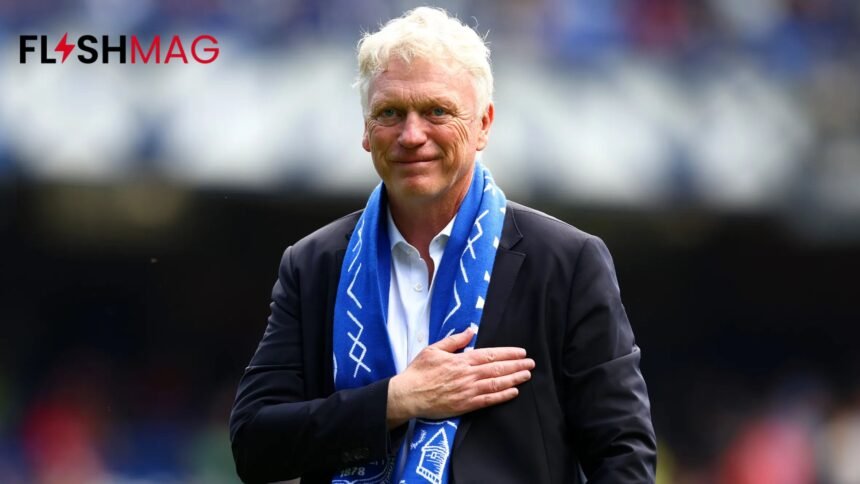
Football has a strange way of changing opinions overnight. One season, a manager is praised for discipline, consistency, and smart tactics. The next, he’s written off as outdated or no longer capable of competing at the highest level. Few managers understand that reality better than David Moyes.
- The Early Reputation Built at Everton
- The Impossible Task at Manchester United
- The Period Where Everything Felt Uncertain
- Returning to West Ham Changed Everything
- David Moyes and the Return of Stability
- European Nights Restored Belief
- The Personality Behind the Manager
- Why Modern Football Needed This Story
- Critics Still Exist — And That’s Fine
- Lessons Younger Managers Could Learn
- A Career That Feels Different in Retrospect
- Conclusion
- FAQs
For years, his name sparked mixed reactions among football fans. Some admired his work ethic and steady leadership. Others remembered difficult spells and disappointing results. Yet somehow, through criticism, pressure, and plenty of doubt, he managed to rebuild something many people thought was gone forever: respect.
That journey didn’t happen in a dramatic Hollywood-style comeback. It happened slowly. Quietly, even. Match by match, season by season, David Moyes kept proving that resilience in football still matters.
And honestly, that’s probably why his story feels relatable to so many people.
The Early Reputation Built at Everton
Long before the headlines became harsh, David Moyes had already built a strong reputation in English football. His years at Everton were not flashy, but they were incredibly important.
When he arrived at the club in 2002, Everton were struggling financially and emotionally. Expectations were low, and many supporters simply wanted stability. What they got instead was a manager who transformed the atmosphere around the team.
Without massive transfer budgets or superstar signings, Moyes created competitive squads year after year. Everton became difficult to beat. Organized. Hard-working. Disciplined. Sometimes frustrating for opponents too.
There was a certain honesty about the way his teams played.
Players improved under him. Unknown names became reliable Premier League performers. Supporters connected with that spirit because it felt earned rather than manufactured.
For a long time, David Moyes was viewed as one of the safest and smartest managers in English football. Maybe not glamorous, but dependable. And in football, that matters more than people sometimes admit.
The Impossible Task at Manchester United
Everything changed after Sir Alex Ferguson retired from Manchester United.
Suddenly, Moyes inherited one of the biggest jobs in world football. The pressure was enormous from day one. Replacing a legendary manager is difficult enough, but following Ferguson almost felt impossible.
Some people still argue that nobody could have succeeded immediately in that situation.
The squad was aging. The expectations were unrealistic. The comparison to Ferguson never disappeared for even a second. Every draw felt like a crisis. Every loss became front-page news.
And unfortunately for Moyes, confidence disappeared quickly.
There were tactical criticisms, awkward public moments, and performances that lacked belief. Players seemed uncertain. Fans grew restless. The media became relentless.
His time at Manchester United lasted less than a season, but the damage to his reputation lasted much longer.
That’s the harsh thing about football. Failure at a giant club tends to follow managers everywhere.
The Period Where Everything Felt Uncertain
After leaving United, Moyes moved through several managerial jobs that felt unstable or incomplete. There were moments at Real Sociedad, Sunderland, and later West Ham United where people questioned whether he still belonged at the top level.
Some critics called his football outdated. Others believed modern football had passed him by.
It’s interesting how quickly narratives can harden in sports. Once a manager gains a reputation for failure, every setback becomes proof of decline. Very few people stop to consider context anymore.
At Sunderland especially, things became difficult. Relegation hit hard, and the criticism surrounding him grew louder.
For a while, it genuinely seemed possible that David Moyes might never fully recover his standing in elite football.
Yet there was something stubborn about him. He never tried to reinvent himself completely just to satisfy trends. That probably frustrated some people, but it also revealed a certain confidence in his own methods.
And maybe that patience became his greatest strength later on.
Returning to West Ham Changed Everything
Football stories sometimes come full circle in unexpected ways.
When West Ham brought Moyes back for another spell, plenty of supporters were unconvinced. The reaction wasn’t exactly full of excitement. Some fans feared the club lacked ambition. Others expected cautious football and little progress.
But gradually, perceptions began to shift.
The team became organized. Results improved. Players looked more confident. There was structure again, and more importantly, there was belief.
It didn’t happen instantly. That’s worth remembering.
Modern football often demands immediate transformation, but Moyes rebuilt West Ham carefully. He focused on discipline, defensive shape, and teamwork before anything else. At times, the football wasn’t spectacular, but it was effective.
And effective football tends to silence critics eventually.
David Moyes and the Return of Stability
One thing that stands out about David Moyes is how strongly he values stability. In an era obsessed with tactical experiments and constant reinvention, he often sticks to fundamentals.
That approach may not generate flashy headlines, but players usually know exactly what is expected of them.
At West Ham, that clarity became crucial.
The club stopped looking chaotic. Recruitment improved. The squad developed balance. Experienced players mixed well with younger talent. Slowly but surely, the atmosphere around the club changed.
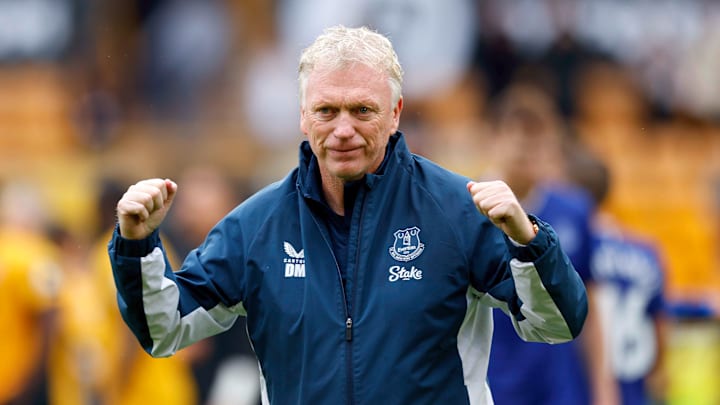
You could see it in the supporters too. Confidence returned.
There’s something refreshing about managers who don’t overcomplicate football. Moyes understands shape, discipline, effort, and emotional control. Those qualities sound simple, but many teams struggle badly without them.
And perhaps modern football occasionally forgets that basics still win matches.
European Nights Restored Belief
One of the biggest turning points in Moyes’ comeback story came through European competition.
West Ham’s performances in Europe gave supporters unforgettable memories. The energy around the club became different. Suddenly, they weren’t just surviving in the Premier League anymore. They were competing internationally with real confidence.
Those nights mattered emotionally as much as tactically.
Winning a European trophy brought genuine validation to the work Moyes had done. Critics who once dismissed him now had to reconsider their opinions. Players praised his leadership openly. Fans celebrated him with a warmth few expected years earlier.
Football can be brutally unforgiving, but it also loves redemption stories.
And honestly, seeing a manager recover from years of criticism through patience and persistence felt surprisingly satisfying, even for neutral fans.
The Personality Behind the Manager
Part of why David Moyes eventually regained respect comes down to personality.
He rarely behaves like a celebrity coach. There’s no exaggerated drama, no constant self-promotion, no obsession with image. Sometimes he appears almost uncomfortable with modern football’s entertainment culture.
But that authenticity works in his favor.
Players often describe him as demanding but fair. He expects commitment, professionalism, and honesty. Not every footballer enjoys that environment, of course, yet many seem to thrive under it.
There’s also resilience in the way he handles criticism.
Some managers collapse publicly after difficult periods. Moyes absorbed years of negative headlines and kept working anyway. That level of mental toughness deserves acknowledgment.
It’s easy to praise confidence when everything is going well. The real challenge comes when public opinion turns against you completely.
Why Modern Football Needed This Story
Football today moves incredibly fast. Managers are hired and fired constantly. Social media amplifies every mistake. Patience barely exists anymore.
That’s partly why the comeback of David Moyes resonates beyond results alone.
His story reminds people that careers are rarely linear. One bad chapter doesn’t always define everything afterward. Experience still matters. Learning from failure matters too.
There’s almost an old-school quality to his journey.
Instead of chasing trends or trying to become someone else, Moyes doubled down on what he understood best: organization, hard work, and steady improvement. Eventually, those qualities brought success back into his career.
Not immediately. Not dramatically. But gradually and convincingly.
And maybe that slow rebuild made the achievement feel more genuine.
Critics Still Exist — And That’s Fine
Even now, not everyone admires Moyes’ style of football. Some supporters still prefer more attacking systems or more adventurous tactics. That debate probably won’t disappear anytime soon.
To be fair, football is subjective.
What one fan calls pragmatic, another calls boring. What one person sees as disciplined structure, another views as cautious negativity.
But respect in football doesn’t always require universal admiration.
The important thing is that David Moyes forced many critics to reevaluate their assumptions. He proved he could adapt enough to survive modern football while still remaining true to his core principles.
That balance is harder than it looks.
Lessons Younger Managers Could Learn
There’s actually a lot younger coaches could learn from Moyes’ career path.
First, reputation can change quickly. Success and failure often depend on timing, environment, and patience as much as tactical intelligence.
Second, resilience matters enormously. Football careers involve setbacks. Public criticism becomes unavoidable at high levels. The ability to recover mentally is just as important as tactical knowledge.
And finally, authenticity still has value.
Moyes never tried to become a theatrical personality just because modern football rewards visibility. He remained himself, even during difficult periods. That consistency eventually helped restore trust among players and supporters alike.
It’s not the loudest success story in football history, but perhaps that’s why it feels believable.
A Career That Feels Different in Retrospect
Looking back now, the entire career of David Moyes feels more nuanced than people once suggested.
The early praise wasn’t exaggerated. The criticism after Manchester United wasn’t entirely unfair either. Both things can exist at the same time.
Football tends to reduce managers into simple labels: genius or failure, modern or outdated, success or disappointment. Real careers are usually much messier than that.
Moyes experienced the highest expectations and some of the harshest criticism English football can offer. Somehow, he survived long enough to rebuild his reputation almost from scratch.
That alone deserves recognition.
Not every manager gets the opportunity to rewrite the narrative surrounding their career. Even fewer actually succeed in doing it.
Conclusion
The long road back to respect in football is rarely smooth. For David Moyes, it involved setbacks, public doubt, uncomfortable failures, and years of people questioning whether he still belonged at the top level.
Yet through persistence, experience, and stubborn belief in his own methods, he slowly rebuilt his standing in the game.
Maybe that’s what makes his story compelling. It doesn’t feel polished or perfect. There were awkward moments, difficult seasons, and times when criticism seemed overwhelming. But instead of disappearing quietly, Moyes kept working.
And eventually, football rewarded him for it.
In a sport obsessed with quick success and constant reinvention, his journey stands as a reminder that resilience still matters. Sometimes respect isn’t won through dramatic genius or viral moments.
Sometimes it’s earned the hard way, over time, through survival and consistency.
And honestly, that might make it even more meaningful.
FAQs
Why is David Moyes respected again in football?
David Moyes regained respect because of his steady work, resilience, and ability to rebuild teams under pressure. His success with West Ham, especially in European competitions, changed how many fans and pundits viewed his career.
What happened during David Moyes’ time at Manchester United?
David Moyes struggled after replacing Sir Alex Ferguson at Manchester United. The pressure was extremely high, results were inconsistent, and he was dismissed before completing a full season.
Why do some fans still criticize David Moyes?
Some supporters believe his football style can feel too cautious or defensive. Others prefer more attacking tactics. Still, many now appreciate the stability and discipline his teams usually bring.
What was David Moyes’ biggest achievement with West Ham?
One of the biggest highlights was leading West Ham United to European success and helping the club become more competitive both domestically and internationally.
What makes David Moyes different from many modern managers?
David Moyes is often seen as practical, disciplined, and straightforward. He focuses heavily on structure, teamwork, and consistency rather than flashy tactics or media attention.
You May Also Read: Martin Brundle and the Art of Honest Formula 1 Commentary