


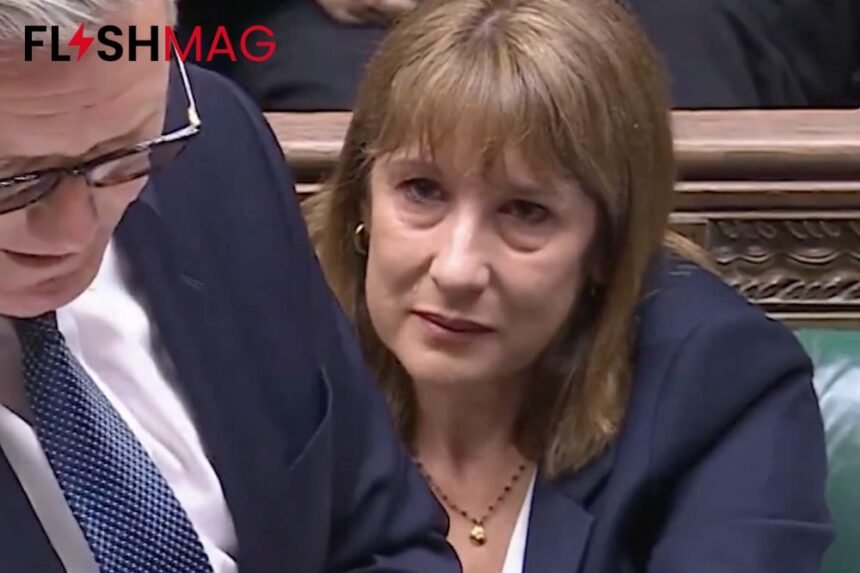
Politics is usually presented as a world of rehearsed speeches, controlled emotions, and carefully chosen words. That’s probably why moments of visible emotion stand out so sharply. When the discussion around rachel reeves crying suddenly spread online, it caught people’s attention for reasons that went beyond politics itself.
- Why the Rachel Reeves Crying Moment Drew So Much Attention
- Public Reactions Were Deeply Divided
- The Pressure Surrounding Economic Politics
- Social Media Turned One Clip Into a National Story
- Emotional Vulnerability in Politics Is Nothing New
- The Economic Policies Behind the Headlines
- Media Coverage Added More Fuel
- The Human Side of Political Life
- Why People Connected With the Moment
- Could the Moment Affect Public Perception?
- Conclusion
- FAQs
Some viewers felt sympathy almost instantly. Others questioned whether public figures should ever appear vulnerable on camera. And, of course, social media did what it always does — turning a brief emotional moment into a national conversation within hours.
What made the reaction especially interesting was how divided people became. One side saw authenticity. Another saw weakness. Somewhere in the middle were ordinary viewers simply wondering how much pressure politicians actually carry behind the scenes.
The story didn’t stay limited to emotion either. It quickly became tied to broader debates involving the Rachel Reeves budget, tax discussions, pensions, and economic policies already dominating headlines across the UK.
Why the Rachel Reeves Crying Moment Drew So Much Attention
There are emotional moments in politics every year, but not all of them linger in public memory. The rachel reeves crying discussion grew because it arrived during an already tense political atmosphere.
Economic pressure has been a major concern for millions of people across Britain. Questions around inflation, living costs, Rachel Reeves tax policies, and public spending have been everywhere. So when a senior political figure showed visible emotion, people naturally connected it to that wider pressure cooker environment.
In a strange way, it reminded some viewers of scenes from political dramas like The West Wing or even House of Cards, where politicians appear confident publicly while privately carrying enormous stress. Real life, of course, is less cinematic and far messier.
Rachel Reeves has spent years building a reputation as a serious economic voice within Labour politics. That image tends to leave little room for emotional vulnerability. So when viewers saw something different, reactions became immediate and emotional themselves.
Public Reactions Were Deeply Divided
One thing became obvious almost instantly: people interpreted the moment through their own political beliefs.
Supporters argued that the reaction proved Rachel Reeves is human. They pointed out that politicians are often criticised for sounding robotic or detached. Yet when genuine emotion appears, critics suddenly claim it shows weakness. It’s a difficult balance to win.
Others were less forgiving. Some commentators argued that public office requires emotional resilience at all times. A few critics online even claimed the moment distracted from serious conversations about the Rachel Reeves UK budget and financial policy proposals.
Social media amplified every opinion imaginable.
Some posts focused on compassion. Others turned the clip into memes within minutes. That’s modern internet culture in a nutshell, really. Emotional nuance rarely survives for long online.
And honestly, the speed of reactions said something bigger about society itself. Public figures are expected to be relatable, but never too emotional. Strong, but approachable. Human, but polished. The contradictions are endless.
The Pressure Surrounding Economic Politics
To understand why this story resonated, it helps to look at the political backdrop.
Rachel Reeves has become heavily associated with economic planning, taxation debates, and financial reform discussions. Topics like Rachel Reeves cash ISA changes, pensions, inheritance tax concerns, and broader spending strategies are already emotionally charged for voters.
Money conversations are personal. They affect homes, savings, retirement plans, and future security. So politicians attached to those issues often face relentless public scrutiny.
Discussions around Rachel Reeves pensions proposals and possible Rachel Reeves ISA review plans have already sparked debate among savers and investors. Even rumours involving cash ISA Rachel Reeves reforms gained significant traction online before any final decisions were confirmed.
That constant attention creates enormous pressure.
It’s easy to forget that politicians spend years under public criticism from newspapers, television panels, rival parties, and millions of strangers online. Every statement is analysed. Every facial expression becomes a headline.
Eventually, even experienced politicians can show signs of strain.

Social Media Turned One Clip Into a National Story
Years ago, emotional political moments might have appeared briefly on television and faded away by the next news cycle. Today, that’s almost impossible.
The clip connected to rachel reeves crying spread rapidly across platforms like X, TikTok, Facebook, and YouTube. Short clips, reaction videos, edited versions, and opinion threads appeared almost immediately.
What’s fascinating is how differently each platform framed the same moment.
On TikTok, many younger users discussed emotional burnout and stress. Some even compared Reeves’ visible emotion to workplace exhaustion experienced by ordinary people.
Meanwhile, more politically focused spaces debated competence, leadership, and whether emotional displays affect public trust.
The internet rarely allows space for moderation. People often rush toward extreme interpretations because that’s what algorithms reward.
One emotional clip became less about Rachel Reeves herself and more about what viewers wanted the moment to represent.
Emotional Vulnerability in Politics Is Nothing New
British politics has a long history of emotional public moments, though people often pretend otherwise.
Politicians are human beings operating inside intensely demanding environments. Long working hours, public criticism, media attacks, and impossible expectations eventually take their toll.
Even globally admired leaders have had emotional public appearances. Former leaders from multiple countries have visibly struggled during moments of national crisis, personal grief, or political defeat.
Yet every generation seems surprised when it happens again.
There’s also an interesting gender element in these conversations. Female politicians often face harsher judgment around emotional expression compared to male counterparts.
A man showing emotion may sometimes be described as passionate or sincere. Women, unfortunately, are more likely to face accusations of weakness or instability. It’s not always fair, but it remains part of political reality.
That undertone quietly shaped many conversations surrounding Rachel Reeves news coverage after the incident.
The Economic Policies Behind the Headlines
Interestingly, the emotional moment also pushed more people toward discussing Reeves’ actual policies.
Search interest around Rachel Reeves budget plans, Rachel Reeves car tax changes, and Rachel Reeves disability support discussions reportedly increased as people looked beyond the headlines.
That happens more often than people realise. Public controversy can sometimes drive political engagement, even unintentionally.
Many voters remain particularly focused on financial topics involving savings and taxation. Conversations around Rachel Reeves cash isas and Rachel Reeves ISA policies became especially active among middle-income savers worried about future reforms.
Inheritance tax concerns also remained part of wider debate. The phrase Rachel Reeves inheritance tax raid appeared repeatedly in opinion pieces and online commentary, often reflecting fears around potential future tax adjustments.
Whether those fears are justified or exaggerated depends heavily on political perspective. Still, they show how emotionally sensitive economic issues have become in Britain.
People aren’t just discussing numbers anymore. They’re discussing security, stability, and fear about the future.
Media Coverage Added More Fuel
Modern political media rarely allows emotional moments to breathe naturally.
Instead of quiet reflection, coverage quickly becomes competitive. Every network wants the strongest angle. Every columnist wants the sharpest opinion.
Some newspapers framed the story sympathetically, focusing on pressure and humanity. Others treated it as evidence of political weakness or instability.
The result was predictable confusion.
Viewers watching different channels or reading different newspapers almost encountered completely different versions of the same event. That fragmentation is now a huge part of modern media culture.
Interestingly, some political commentators argued that the reaction itself revealed growing public exhaustion with aggressive political discourse. Constant outrage, endless arguments, and permanent online hostility have left many people emotionally drained.
Perhaps that’s partly why the moment resonated so strongly. Viewers recognised stress because many are carrying their own.
The Human Side of Political Life
It’s easy to reduce politicians to policies and headlines. But public office often demands extraordinary emotional endurance.
Imagine knowing that every speech could become a viral clip. Every mistake could trend nationally within minutes. Every personal moment could become tomorrow’s front-page debate.
That kind of visibility changes people.
Even actors and musicians speak openly about the psychological pressure of public scrutiny. Politicians experience similar pressure, except their mistakes can influence markets, public trust, or election outcomes.
Rachel Reeves has spent years navigating criticism around economic policy, Labour strategy, and spending proposals. Discussions involving Rachel Reeves net worth, tax plans, pensions, and savings reforms have all placed her under continuous media attention.
At some point, emotional fatigue becomes understandable.
That doesn’t mean voters stop questioning policies. Democracy depends on scrutiny. But perhaps it reminds people that politicians are not emotionless machines either.
Why People Connected With the Moment
Part of the reason the rachel reeves crying story lasted longer than expected is simple: people recognised something real in it.
Stress feels familiar right now.
Across Britain, households are worried about bills, savings, mortgages, and retirement plans. Conversations around Rachel Reeves car tax, disability support, ISA reform, and pension policy all connect directly to daily life.
So when an economic figure appears visibly emotional, some viewers naturally interpret it through the lens of wider national anxiety.
There’s also something undeniably powerful about seeing polished public figures briefly lose composure. It interrupts the performance people expect from politics.
For a moment, viewers aren’t watching strategy or messaging. They’re watching someone react emotionally under pressure. Whether people admired or criticised it, many sensed authenticity.
And authenticity is surprisingly rare in modern politics.
Could the Moment Affect Public Perception?
Possibly. But probably not in the simplistic way many headlines suggest.
Public opinion is rarely shaped by one emotional moment alone. What matters more is how politicians respond afterward and whether voters continue trusting their broader leadership.
Some people likely felt more sympathetic toward Reeves after the incident. Others may remain sceptical. Most voters, honestly, will eventually return focus toward practical issues like taxes, wages, pensions, and the economy.
That’s the reality of political life.
Emotional moments create headlines, but long-term public opinion usually depends on outcomes people feel in everyday life.
Still, the incident may leave behind a subtle impact. It reminded people that political figures experience pressure too, even when they appear composed during interviews and debates.
And perhaps it slightly softened the carefully managed image that often surrounds high-profile politicians.
Conclusion
The story surrounding Rachel Reeves crying on camera became far bigger than a single emotional moment. It opened conversations about political pressure, public expectations, media culture, and the strange contradictions of modern leadership.
Some viewers saw vulnerability. Others saw weakness. Many simply saw a human being under immense scrutiny.
In truth, the reaction revealed just as much about the public as it did about Rachel Reeves herself. People project fears, frustrations, political loyalties, and personal experiences onto moments like these.
Meanwhile, the bigger political conversations continue. Debates around the Rachel Reeves budget, tax proposals, pensions, ISAs, and economic reform are unlikely to disappear anytime soon.
But for a brief moment, politics stopped feeling scripted. And maybe that’s why so many people kept talking about it long after the cameras moved on.
FAQs
Why was Rachel Reeves crying on camera?
The exact reason behind the emotional moment was widely discussed online. Many people believed the pressure of political scrutiny, economic debates, and public attention may have contributed to it.
Why did the Rachel Reeves crying clip go viral?
The clip spread quickly because emotional moments in politics often attract strong reactions. Social media users shared different opinions, turning it into a major talking point within hours.
Did the incident affect Rachel Reeves’ political image?
For some viewers, it made her seem more relatable and human. Others questioned whether emotional moments influence public confidence in political leadership.
What policies are Rachel Reeves most associated with?
Rachel Reeves is often connected with economic discussions involving the UK budget, pensions, tax policy, ISAs, and public spending plans. Topics like Rachel Reeves cash ISA changes and car tax discussions frequently appear in news coverage.
Why do emotional political moments attract so much attention?
People tend to connect strongly with visible emotion, especially from public figures who usually appear controlled and professional. It reminds audiences that politicians experience pressure just like everyone else.
You May Also Read: David Moyes and the Long Road Back to Respect in Football