

When a significant incident occurs on a job site, the repercussions are immediate, obvious, and expensive. Because these events create such a stir, there are usually strict procedures to prevent them.
However, the real threat to your cash flow is in small increments, often hidden within the daily habits of your field team. Minor slips, trips, and muscle strains do not always make the evening news, but they happen frequently when tradespeople are forced to work in dark, awkward spaces without the right equipment.
You will find that many field teams are still sent to jobs with basic hand-held lights or are left relying on smartphone screens to light up their workspace. When a worker tries to balance a loose light source while handling tools, they lose a hand for stability. They can no longer maintain a secure grip on a ladder or a beam. A simple upgrade to a proper hands-free light, like a head torch Australia, changes the entire dynamic, keeping your people safe and ensuring the work gets done without incident.
The Real Cost of Minor Claims
When a worker suffers a minor injury, the direct medical expenses are only a small part of the problem. For small businesses, the indirect costs create a far greater burden on daily operations.
When a team member goes offline due to a preventable strain or fall, your scheduling takes a hit. Projects face unexpected delays, which can damage your reputation with key clients. You might have to pay overtime to other staff to cover the gap, or spend time sourcing temporary labour.
Insurance premiums represent another major financial consideration. Safe Work Australia data consistently shows that body stressing and falls from low heights make up a massive percentage of workers’ compensation claims.
Every time a claim is lodged, your insurance risk profile changes. This can drive up your premiums for several years, making it harder to compete for profitable contracts. Protecting your team from these everyday mishaps is simply smart financial management.
Spotting the Risks in Daily Operations
Hazardous conditions exist in places you might not normally consider. In field services, logistics, and property maintenance, workers encounter low-light environments every day.
- Crawling Spaces – Underneath floorboards and inside ceiling spaces, visibility is poor and footing is unpredictable.
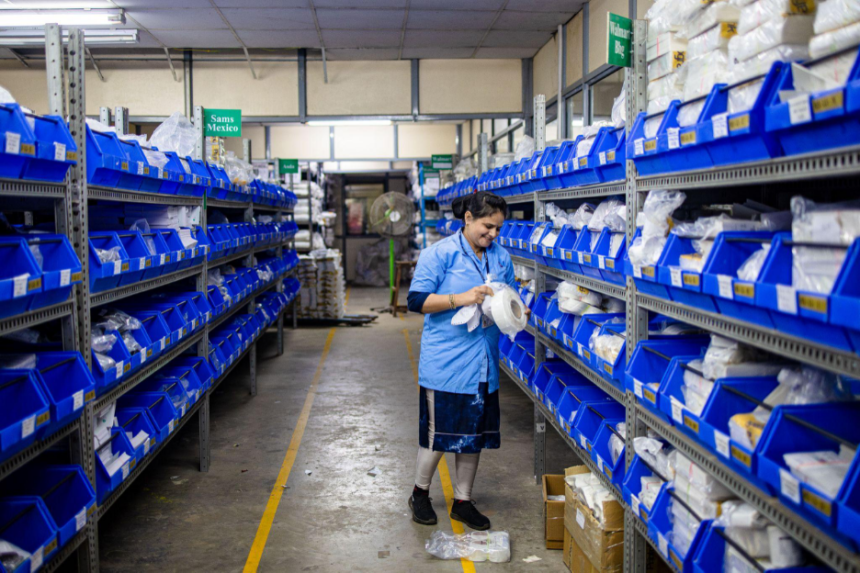
- Storage Hubs – Deep racking systems and dark corners of a warehouse make it difficult to read labels and move goods safely.
- Plant Rooms – Commercial electrical cupboards and mechanical rooms are often packed with valves and switches that require clear visibility to navigate.
When faced with poor lighting, industrious workers often try to push through to get the job done. They might hold a torch between their teeth or rest it precariously on a ledge. This is where the risk of a twisted ankle or a nasty cut rises dramatically. As an owner, providing the right gear removes the temptation to take these shortcuts.
Small Upgrades with High Returns
You do not need a complete operational overhaul to protect your profit margins. Making targeted investments in high-quality personal protective equipment yields excellent results.
High-output wearable lights ensure that crisp illumination follows a worker’s gaze automatically. This leaves both hands completely free to hold handrails, climb ladders, and operate machinery safely.
Investing in high-dexterity gloves with a solid grip also prevents hand fatigue and stops tools from slipping. Similarly, ensuring your team has heavy-duty footwear with proper ankle support mitigates the risk of slips on slick concrete floors.
These small additions are not a compliance burden. They are practical tools that help your team work faster and return home safely at the end of the shift.
Simple Steps for an Easy Audit
Reviewing your safety setup does not have to be a complicated process. You can identify potential issues by observing real-world conditions.
- Observe a Shift – Spend time watching your team complete a standard task in a challenging environment. Look for moments where they struggle to see or balance.
- Check Past Reports – Look over your logbooks for recurring complaints about minor cuts, bumps, or eye strain.
- Ask the Team – Your workers know exactly where the daily frustrations lie. Ask them what gear would make their job straightforward.
- Update Your Standard Kit – Make hands-free illumination a standard requirement for every vehicle in your fleet.
When you involve your team in the process, they adopt the new gear willingly. It creates a positive workplace culture where safety is viewed as a supportive tool rather than a rigid rule.
Safeguarding Your Growth
Building a resilient small business requires keeping a close eye on operational expenses. While you cannot predict every market shift, you can control the environment you provide for your workforce.
Equipping your team with reliable, professional-grade gear is an excellent way to prevent unnecessary disruptions. A premium wearable light ensures your team works accurately, stays upright, and stays on schedule.
Take a look at your current tool kits this week. Eliminating a single friction point today protects your people and keeps your hard-earned revenue right where it belongs.