


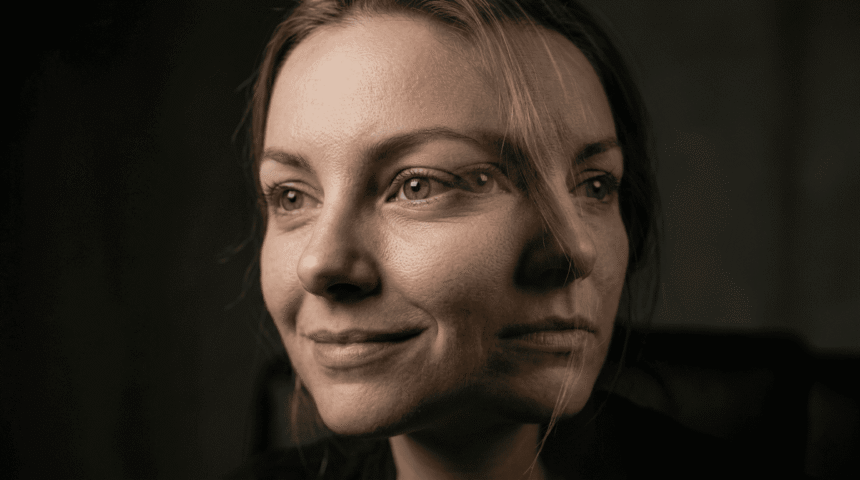
Faces have always been at the center of storytelling. Long before high-end visuals or complex production setups, a single expression could carry an entire narrative. A raised eyebrow, a subtle smile, or a moment of hesitation could communicate emotion in a way words never could.
- Faces Are Becoming Flexible Narrative Elements
- Identity Consistency Strengthens Story Impact
- Expressions Are Now Carrying More of the Story
- Storytelling Is Becoming More Visual First
- Creative Freedom Without Losing Continuity
- Faces Are Bridging Real and Imaginative Worlds
- Faster Iteration Is Improving Story Quality
- Faces Are Becoming the Core of Narrative Design
- Viewer Connection Is Becoming More Immediate
- The Future of Face-Driven Storytelling
- Conclusion
What’s changing now is not the importance of faces, but how they are being used. Face swap AI is reshaping storytelling by giving creators far more control over identity, continuity, and emotional expression. It’s no longer just about capturing a face. It’s about designing how that face behaves across an entire narrative.
Faces Are Becoming Flexible Narrative Elements
Traditionally, once a face was captured in a scene, it was fixed. If something needed to change, creators had limited options. They either had to reshoot or compromise on the final output. That made storytelling rigid in many ways.
Face swap removes that rigidity. Now, creators can adapt a face across multiple scenes without losing consistency. That opens up new possibilities such as:
- Reworking a storyline without reshooting footage
- Testing multiple creative directions using the same identity
- Building variations of a narrative for different audiences
Inside Higgsfield, creators are using this flexibility to rethink how stories are structured. Instead of being locked into a single version, they can evolve visuals as the narrative develops. That’s a major shift.
Identity Consistency Strengthens Story Impact
When a story feels visually consistent, it becomes easier to follow and more engaging. Even small inconsistencies in facial identity can disrupt that experience. Viewers might not consciously notice the difference, but they feel it.
Face swap helps maintain that consistency.
A single identity can remain stable across:
- Different scenes
- Changing environments
- Multiple content formats
Face Swap within Higgsfield allows creators to ensure that the character looks the same throughout the narrative, which strengthens immersion and emotional connection.
The viewer doesn’t have to adjust. They stay focused on the story.
Expressions Are Now Carrying More of the Story
Storytelling has always relied on emotion. What’s changing is how that emotion is delivered.
Face swap AI preserves subtle facial details that were often lost in traditional editing:
- Micro-expressions that add realism
- Eye movements that signal intent
- Small shifts in expression that reflect changing emotions
These details allow creators to tell more of the story visually.
Instead of explaining emotions through dialogue, they can show them directly through the face. That makes the storytelling feel more natural and less forced.
Higgsfield helps maintain this level of expression accuracy, even when faces are adapted across different contexts.
Storytelling Is Becoming More Visual First
Attention spans are shorter, and content is consumed faster. That means storytelling has to capture interest instantly. Before a viewer reads anything or listens to dialogue, they react to what they see. The face becomes the entry point into the story.
It needs to communicate:
- Who is the character?
- What they are feeling
- Why the viewer should care
Face swap enhances this by ensuring that the face delivers these signals clearly and realistically from the first moment. This shift toward visual-first storytelling is changing how narratives are designed.
Creative Freedom Without Losing Continuity
One of the biggest advantages of face swap is the balance it creates between flexibility and consistency.
Creators can now experiment more freely:
- Place the same face in different environments
- Explore multiple narrative directions
- Adapt content for different platforms
All without breaking the identity of the character.
Higgsfield supports this by allowing creators to adjust visuals while maintaining a consistent core identity. This makes it easier to explore ideas without sacrificing quality.
Faces Are Bridging Real and Imaginative Worlds
Modern storytelling often blends realism with imagination. A character might move between realistic environments and highly stylized or conceptual worlds. Maintaining identity across these transitions is challenging. Face swap makes this transition smoother.
It keeps the face grounded in reality while allowing the surrounding elements to change freely. This creates a balance where even creative or abstract visuals still feel relatable.
Creators are increasingly combining this approach with AI image generation tools to expand their storytelling range while keeping visual identity intact.
Faster Iteration Is Improving Story Quality
Better stories often come from multiple iterations. The ability to test, refine, and adjust visuals quickly leads to stronger narratives. Face swap speeds up this process significantly.
Instead of reshooting or rebuilding scenes, creators can:
- Adjust facial identity across variations
- Test different emotional tones
- Refine scenes without starting over
Higgsfield makes this workflow practical by reducing the effort required to maintain consistency.
This allows creators to focus more on storytelling and less on technical constraints.
Faces Are Becoming the Core of Narrative Design
In many modern formats, the face is no longer just part of the story. It is the story.
Everything else supports it:
- Backgrounds create context
- Effects enhance mood
- Transitions guide flow
But the face carries the emotional weight.
Face swap reinforces this by ensuring that the face remains the strongest and most consistent element in the visual. When the face feels right, the entire narrative feels stronger.
Viewer Connection Is Becoming More Immediate
Connection is what makes storytelling effective. Viewers engage when they feel something. That emotional response often starts with the face. Realistic, consistent faces help create that connection faster.
They make characters feel more human, more relatable, and more memorable.
Higgsfield helps creators build this connection by maintaining identity across different pieces of content, which strengthens familiarity over time.
The Future of Face-Driven Storytelling
The way faces are used in storytelling is still evolving.
We are moving toward a model where:
- Identity is consistent across all formats
- Emotion is conveyed visually first
- Stories can be adapted without losing continuity
Face swap is becoming a key part of this evolution. It is not just improving visuals. It is changing how stories are told.
Conclusion
Faces have always been powerful, but now they are becoming more dynamic, more flexible, and more central to storytelling than ever before. Face swap AI is enabling this shift by allowing creators to control identity, emotion, and continuity with greater precision.
Higgsfield makes it possible to apply these changes without adding complexity, giving creators the freedom to focus on narrative and creativity.
The result is a new kind of storytelling. One where the face is not just seen. It is experienced.