


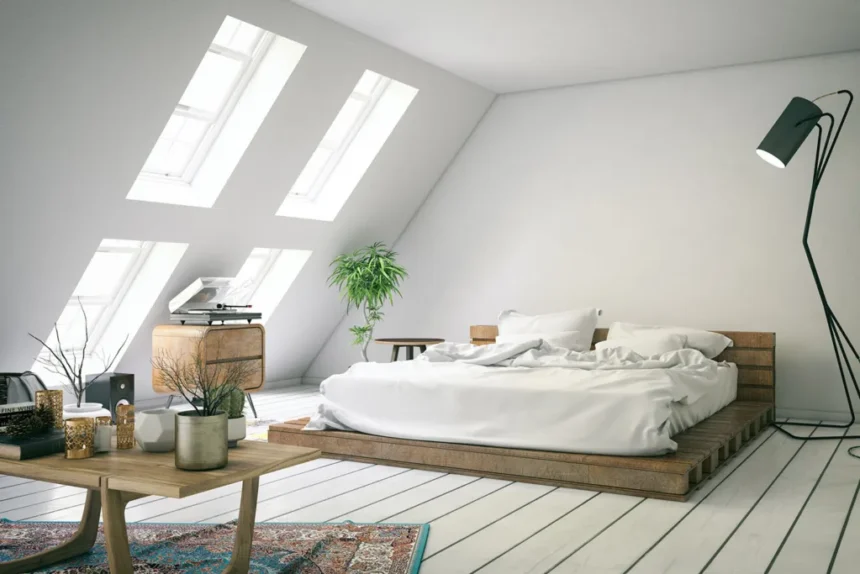
London homeowners have three main options when they need more space. Extend at the back, dig down into a basement, or convert the loft. All three work. But when you compare the cost, the disruption, the planning requirements, and the value they add to your property, one option consistently comes out ahead.
Loft conversions have been the go to solution for London families for decades, and nothing has changed that. If anything, rising construction costs and tighter planning rules have made them even more attractive compared to the alternatives. You get a full extra room, usually a be droom with en suite, without losing any garden space or going through a lengthy planning process. At Extension Architecture, we’ve delivered loft conversions across London on everything from Victorian terraces to 1930s semis and Edwardian detached houses. Here’s why they continue to outperform other options for most homeowners.
More Affordable Than You Think
A typical loft conversion in London costs between £45,000 and £70,000 depending on the type and specification. Compare that to a rear extension which starts around £60,000 and easily climbs past £100,000 once you factor in groundwork, foundations, and landscaping to repair the garden afterwards. Basements are even more expensive, often running north of £150,000 for a single room once you account for excavation, waterproofing, and the structural engineering involved.
The cost per usable square metre of a loft conversion is consistently lower than both alternatives. And because the structure already exists, you’re not building from scratch. The roof is there. The walls are there. You’re essentially fitting out a space that’s already enclosed, which reduces both material costs and construction time.
Zero Garden Space Lost
This is the one advantage that nothing else can match. In London, where rear gardens are often modest, losing three or four metres to a ground floor extension is a real sacrifice. Families with young children feel it most. That garden space you gave up for a bigger kitchen is exactly where the kids would have been playing.
A loft conversion takes nothing from the garden. Nothing from the ground floor. Nothing from the first floor. It creates a completely new room at the top of the house using space that was previously wasted on suitcases and christmas decorations. Your outdoor area stays exactly as it was.
Less Disruption During Construction
Ground floor extensions involve digging foundations, which means your garden becomes a building site for months. Basements are even worse. The excavation process is noisy, dusty, and can take six months or longer depending on the scale.
Loft conversions are different. Most of the work happens above the existing ceiling line. Scaffolding goes up, the dormer gets built from outside, and the internal fit out happens within the roof space. You can usually stay in the house throughout the build with relatively minor inconvenience. The whole thing typically takes eight to twelve weeks from start to finish. Compare that to a basement that could take six to nine months and the difference in lifestyle disruption is enormous.
Planning Is Usually Straightforward
Many loft conversions in London fall under permitted development rights. That means no formal planning application is needed, provided the conversion stays within certain volume, height, and material limits. Your architect checks whether your property qualifies and applies for a lawful development certificate to confirm everything is compliant.
For properties in conservation areas or those with restricted permitted development rights, a full planning application may be required. But even then, loft conversions are generally well received by councils because they don’t affect the streetscape significantly. A rear dormer is invisible from the front of the house, which makes it much easier to get approved than a prominent ground floor extension. In boroughs like Wimbledon architects where conservation areas cover large parts of the neighbourhood, an architect with local experience knows exactly how to present a dormer application that satisfies the council’s design expectations.
It Adds Real Value to Your Property
In London, where property values are calculated partly by bedroom count, adding a fourth or fifth bedroom through a loft conversion has a direct impact on what your home is worth. Estate agents consistently report that a well finished loft bedroom with en suite can add ten to fifteen percent to a property’s value.
On a London home worth £600,000, that’s potentially £60,000 to £90,000 of added value from a project that cost £50,000 to £65,000 to build. Very few home improvements offer that kind of return. Rear extensions add value too, but the ratio of cost to uplift is usually less favourable.
Which Type Works Best
The right type of loft conversion depends on your roof structure and how much space you need. A Velux conversion is the cheapest option and works well if you already have good head height. A rear dormer is the most popular choice because it maximises floor area and gives you full standing height across the room. L shaped dormers suit terraced houses where you want to extend across the rear and side of the roof. And mansard conversions are ideal for properties where a complete reshaping of the roof profile is acceptable.
Your architect assesses your roof structure during the first visit and advises on which type delivers the best result for your property and budget.