


There’s a funny moment almost everyone who writes has experienced. You know exactly what you want to say, but the perfect word just refuses to show up. You stare at the screen, type the same adjective three times, delete it, and somehow end up even less satisfied than before.
- Understanding WordHippo Synonyms
- Why Finding the Right Word Matters
- How Students Benefit from WordHippo
- Why Writers Love Using WordHippo
- Everyday Situations Where It Helps
- The Difference Between Synonyms and Exact Replacements
- Tips for Using WordHippo More Effectively
- Common Mistakes People Make
- Building Better Writing Habits
- Why Simplicity Still Wins
- The Growing Role of Digital Writing Tools
- Conclusion
- FAQs
I’ve been there more times than I can count, and chances are you have too.
That’s why tools that help expand vocabulary have become part of everyday writing. Whether you’re working on a school assignment, polishing a blog post, replying to an important email, or simply trying not to repeat the same word over and over, finding alternatives can make a huge difference.
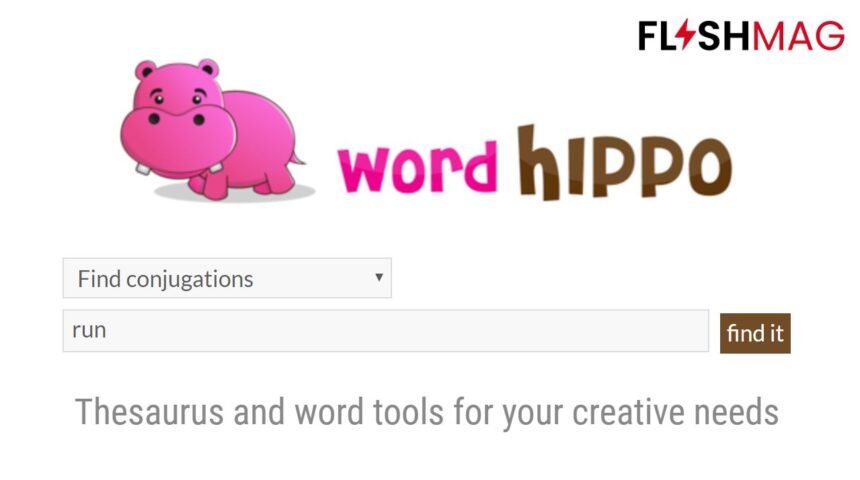
Among the many online resources available today, wordhippo synonyms has earned a loyal following. It’s simple, easy to use, and surprisingly useful for people from all walks of life.
Understanding WordHippo Synonyms
At its core, WordHippo is an online language tool designed to help users discover alternative words and expressions. While many people think of it as just another thesaurus, it actually offers much more than that.
Instead of presenting a long, confusing list of unrelated words, it often groups suggestions by meaning and context. That small detail can save writers from accidentally choosing a word that technically matches but feels completely wrong.
The appeal of wordhippo synonyms lies in its accessibility. You don’t need advanced writing skills or linguistic knowledge to use it effectively. A middle school student and a professional copywriter can both benefit from the same tool.
And honestly, that’s part of its charm.
Why Finding the Right Word Matters
Words shape how people understand our thoughts. Two words might share a dictionary definition but create completely different feelings.
Imagine describing a movie as “good.”
Now compare that to saying it was fascinating, touching, gripping, hilarious, or unforgettable.
The message suddenly becomes clearer.
Choosing stronger words doesn’t necessarily make writing more complicated. In many cases, it simply makes communication more precise.
Better Clarity
When people read your work, they shouldn’t have to guess what you mean. Using carefully selected vocabulary helps reduce confusion and keeps readers engaged.
More Variety
Repeated words can make even interesting writing feel dull. Replacing common terms with natural alternatives creates smoother reading without sounding forced.
Greater Confidence
Many students and new writers worry that their vocabulary isn’t strong enough. Having a reliable source of suggestions nearby can remove some of that pressure.
How Students Benefit from WordHippo
Students often juggle essays, reports, presentations, and creative writing assignments. It’s not always easy to keep language fresh while meeting deadlines.
Sometimes a teacher circles the same repeated word throughout an essay, leaving comments like “vary your vocabulary.” Easier said than done, right?
That’s where tools like WordHippo become genuinely practical.
Improving Essay Writing
Academic writing requires precision. Instead of repeating words like important, big, or nice, students can discover alternatives that better match their intended meaning.
For example:
- Important could become significant, essential, or crucial.
- Big might become massive, considerable, or extensive.
- Nice could shift to pleasant, thoughtful, or enjoyable.
Small adjustments often make essays sound more polished without becoming overly formal.
Building Vocabulary Naturally
Memorizing word lists isn’t everyone’s favorite activity. In fact, it can feel pretty tedious.
Using synonyms during actual writing tasks creates a more natural learning process. Students encounter new words in context, making them easier to remember and use correctly later.
Supporting Creative Projects
Stories, poems, and personal narratives rely heavily on descriptive language.
A character who is simply “sad” tells us something, but a character who feels heartbroken, disappointed, or lonely paints a much clearer picture.
Creative writing becomes richer when writers have more options available.
Why Writers Love Using WordHippo
Professional writers, bloggers, journalists, and content creators often produce thousands of words every week.
One challenge never really disappears: avoiding repetition.
Even experienced authors occasionally catch themselves using the same expressions again and again.
Breaking Repetitive Patterns
Every writer has favorite words. Some overuse “amazing,” while others can’t stop writing “interesting.”
After a while, those habits become invisible to the person writing but obvious to readers.
Using wordhippo synonyms helps identify alternatives that keep content feeling fresh and engaging.
Improving SEO Content
Search engine optimization isn’t just about keywords anymore. Modern SEO values readability and natural language.
Writers often need to discuss the same concept without stuffing identical phrases into every paragraph. Synonyms help maintain balance while keeping articles enjoyable for real people.
Ironically, writing for search engines often means writing more naturally for humans.
Editing and Refinement
The first draft rarely comes out perfect.
Many writers finish a piece and then spend extra time replacing weak or repetitive wording. WordHippo works well during this editing stage because it encourages exploration without interrupting the creative process.
Everyday Situations Where It Helps
You don’t have to be writing a novel to appreciate a better vocabulary.
In everyday life, finding the right word can make communication smoother and more effective.
Writing Emails
Professional emails often require a careful tone. You want to sound friendly but competent.
Replacing vague or repetitive language can make messages feel more polished without adding unnecessary complexity.
Social Media Captions
Captions that use varied language tend to stand out more.
Whether you’re sharing travel photos or promoting a small business, having fresh word choices keeps your content from blending into the crowd.
Personal Messages
Even birthday cards, thank-you notes, or messages to friends can benefit from a little creativity.
Sometimes one better word expresses genuine feelings more clearly than an entire sentence.
The Difference Between Synonyms and Exact Replacements
One common misunderstanding is believing that all synonyms are interchangeable.
They’re not.
Take the words “thin,” “slim,” and “skinny.”
While they may appear similar, each carries slightly different emotional associations. Slim often sounds positive, while skinny can sometimes feel negative.
Good writing depends on recognizing these subtle differences.
That’s why context matters just as much as vocabulary.
Choosing Words That Fit
Before replacing a word, ask yourself a simple question:
Does this sound natural here?
If the answer feels uncertain, it’s worth reading the sentence aloud. Our ears often catch awkward wording that our eyes miss.
Tips for Using WordHippo More Effectively
Like any writing tool, better results come from thoughtful use rather than automatic replacement.
Don’t Replace Every Simple Word
Not every sentence needs sophisticated vocabulary.
Simple language is often clearer and more relatable. Readers usually appreciate honesty and clarity over complexity.
Consider the Audience
A university research paper and a casual blog post speak to different audiences.
Choose synonyms that match the tone you’re aiming for rather than the most impressive-looking option.
Read the Entire Sentence Again
Sometimes a suggested alternative changes the rhythm or meaning of the sentence.
Taking a few extra seconds to reread your work can prevent awkward phrasing.
Learn New Words Gradually
There’s no need to memorize dozens of unfamiliar terms every day.
Pick a few that genuinely interest you and try using them naturally over time.
Common Mistakes People Make
Even useful tools can create problems when used carelessly.
Overcomplicating Writing
Some writers assume longer words automatically sound smarter.
In reality, overly complicated vocabulary can make writing harder to understand.
The goal isn’t to impress readers with difficult words. It’s to communicate ideas clearly.
Ignoring Context
A synonym may technically match the definition but still feel out of place.
Context should always guide your final decision.
Depending Entirely on Tools
No language resource should replace your own judgment.
Think of WordHippo as a helpful assistant rather than the final authority.
Building Better Writing Habits
Vocabulary growth doesn’t happen overnight.
The strongest writers usually develop their skills through regular reading and consistent practice rather than shortcuts.
Books, articles, magazines, and conversations all contribute to a richer understanding of language.
Using wordhippo synonyms alongside these habits creates a balanced approach. Instead of simply replacing words, users gradually become more aware of subtle differences in tone and meaning.
Over time, those improvements become second nature.
You stop searching for every alternative because many of them simply come to mind.
Why Simplicity Still Wins
There’s an interesting misconception that good writing must sound complicated.
Actually, many of the world’s best writers use surprisingly simple language.
Clear sentences connect with readers more effectively than elaborate vocabulary used for its own sake.
The purpose of synonym tools isn’t to transform everyday writing into something artificial. It’s to help people find words that better match what they genuinely want to express.
Sometimes the best replacement for “happy” might be joyful.
Other times, the original word is already perfect.
Knowing the difference is part of becoming a stronger communicator.
The Growing Role of Digital Writing Tools
Technology has changed the way people write.
A few decades ago, students relied on heavy dictionaries and printed thesauruses sitting on library shelves. Today, answers appear in seconds.
That convenience has opened new opportunities for learning.
Digital tools encourage experimentation. Writers become more willing to test different ideas because they know help is immediately available.
Rather than limiting creativity, these resources often expand it.
Of course, technology works best when combined with human judgment. No online tool fully understands emotion, personality, or the subtle intentions behind every sentence.
Those elements still belong to the writer.
Conclusion
Writing is rarely about finding the biggest or most unusual word. More often, it’s about discovering the one that feels exactly right.
Whether you’re a student trying to improve an essay, a blogger refining an article, or someone simply writing an important email, having access to better vocabulary can make the process easier and more enjoyable.
The popularity of wordhippo synonyms comes from its simplicity. It helps people communicate with greater clarity without making writing feel mechanical or forced.
At the end of the day, words are tools. The better we understand them, the better we connect with others.
And sometimes, all it takes is finding one slightly better word to say exactly what we’ve been thinking all along.
FAQs
What is WordHippo used for?
WordHippo is an online language tool that helps users find synonyms, antonyms, definitions, translations, and related words. It is widely used by students, writers, and professionals who want to improve their vocabulary.
Can students use WordHippo for school assignments?
Yes, many students use WordHippo to discover alternative words and avoid repetition in essays and reports. It can also help them learn new vocabulary in a simple and practical way.
Is WordHippo better than a traditional thesaurus?
For many users, it is. WordHippo often provides words grouped by meaning and context, making it easier to choose the most suitable option instead of guessing from a long list.
How can writers benefit from WordHippo synonyms?
Writers can use it to make their content more engaging, reduce repetitive wording, and find expressions that better match the tone of their work. It is especially useful during the editing process.
Can WordHippo improve everyday communication?
Absolutely. Whether you’re writing emails, social media posts, or personal messages, finding the right words can make your communication clearer and more effective.
You May Also Read: Mike Dobinson and the Path That Shaped His Career


