


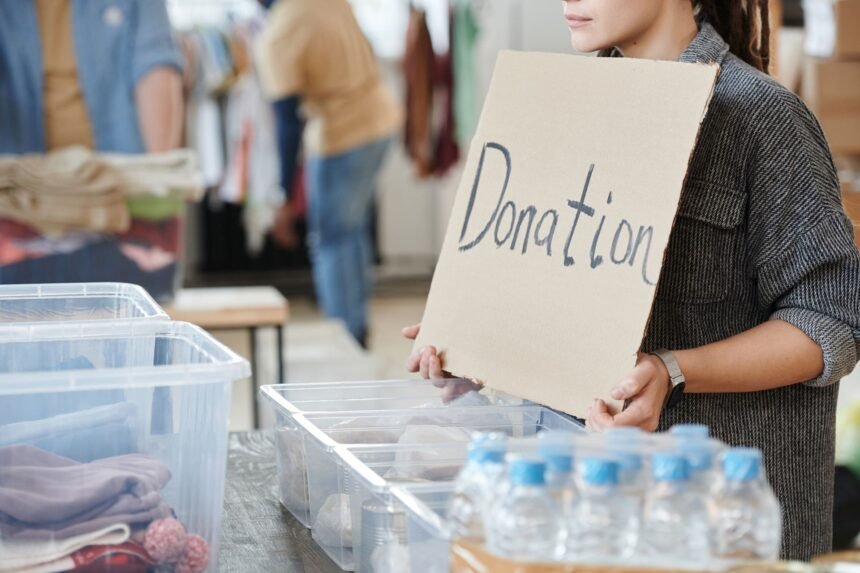
Charity in Britain has never really been one thing. People give for different reasons, to different organisations and in very different ways. What has changed in recent years is how visible those differences have become. People’s support for one another is a natural reflection of Britain’s multiculturalism. Migration, family traditions, religious beliefs, and international events may all have an impact on where individuals decide to invest their money.
For some, that could involve contributing to a nearby food bank. For another, it can be assisting a family of refugees in relocating to the United Kingdom. Another person may be more concerned about an emergency happening thousands of miles away. There isn’t necessarily a contradiction between these things.
Giving Is Becoming More Connected to Community
People’s perspectives on charity giving have clearly changed. Although there’s still a lot of support for large national organisations, there’s also a great need for causes that are more relatable to people’s local areas.
Research published on in-memory giving in the UK found that more than a third of adults had made an in-memory donation. The research also pointed to differences between cultural and religious groups, with Black and Asian donors showing stronger links to faith-based and community organisations. That makes sense when you look at how giving actually works in families and communities.
A donation in memory of a parent or grandparent can become a family tradition. A religious practice can encourage regular giving rather than occasional donations. And someone who has moved to Britain from another country may still feel a strong connection to people and causes back home. Charity isn’t always just about finding a cause and sending money. Quite often, it’s personal.
The Impact of War Is Being Felt Here Too
The last few years have made this even more obvious. Wars and humanitarian crises aren’t staying on television screens or news websites. Communities across the UK are responding directly, particularly when people from affected countries are living here. The UK has welcomed people through humanitarian routes linked to conflicts including Ukraine and Afghanistan. Government figures for the year ending June 2026 recorded more than 124,000 grants of leave through safe and legal humanitarian routes.
Once people arrive, though, the need doesn’t simply disappear. Finding somewhere to live is one issue. Then there are schools, employment, language barriers, healthcare, paperwork and simply trying to understand how things work in an unfamiliar country.
This is where local charities and community groups often become important. They provide support to refugees and people seeking asylum, including practical assistance and help accessing services. Sometimes the support is quite basic. A food parcel. Help filling out a form. A lift to an appointment. Somewhere to ask a question without feeling completely lost. Those things may not sound that major, but for someone starting again, they can matter a lot.
People Are Looking Beyond Britain Too
At the same time, local concerns haven’t replaced international giving. If anything, the two are happening alongside each other. A crisis in Sudan, Gaza, Ukraine or another conflict-affected region can quickly lead to fundraising in British workplaces, mosques, community centres, schools and neighbourhood groups. People often have a personal connection to these places, whether through family, religion, friends or simply a shared concern about what’s happening.
Sudan is a good example. The humanitarian situation there has continued to deteriorate, with millions of people displaced and facing shortages of food, healthcare and basic supplies. British and international organisations have continued to raise funds and provide assistance. That connection between what happens overseas and what happens in British communities is becoming harder to ignore.
Someone in Birmingham or Bradford might be donating to an emergency appeal overseas while also helping a neighbour who’s struggling with rent. Both are forms of giving, and both can exist at the same time.
Charity Is Showing Up in Everyday Places
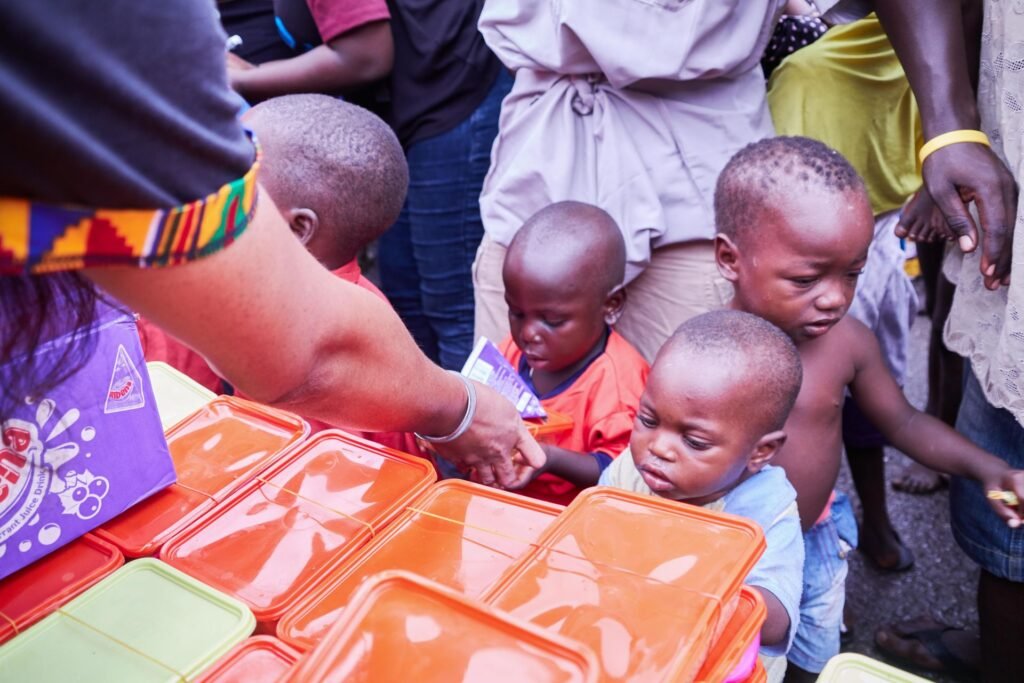
There’s another interesting change: giving is becoming part of ordinary activities rather than something people only think about when a charity launches an appeal. Community fundraising is one example. So are workplace collections, sponsored events, volunteering and businesses that attach a charitable contribution to a purchase.
TruBrit, for example, has used this approach through its work with the Blue Van Drop-In Veterans Charity, linking customer purchases with support for veterans. It’s a relatively simple idea, but it fits the way people increasingly engage with causes. They don’t always want another separate thing to do. Sometimes they want to support something while doing something they already do. Faith communities have been doing versions of this for generations, of course. The difference is that these models are now appearing across a much wider part of British life.
There Isn’t One British Way to Give
That may be the most important point. Charitable habits in Britain are becoming more varied, not necessarily less generous. People are bringing traditions from different parts of the world with them, while also adopting new ways of supporting causes in their local communities.
For Muslim communities, structured annual giving remains an important part of this. Someone who wants to give your zakat may choose a charity that works with people facing poverty, displacement or humanitarian emergencies, while also looking for clear information about where the money goes.
The same basic question comes up with almost every kind of charitable giving: will the contribution actually reach people who need it? That question matters more now because there are so many organisations and appeals competing for attention.
A More Diverse Culture of Giving
The old idea of British charity being centred around a handful of familiar national organisations doesn’t quite describe the picture anymore. There are local initiatives, faith-based charities, diaspora-led fundraising groups, refugee support networks and businesses building charitable activity into what they do. Some are very small. Some operate internationally. And people move between all of them.
A person might donate to a local food bank one month, support an emergency appeal the next and volunteer at a community event later in the year. None of these choices cancels out the others. As Britain’s population becomes more culturally diverse, its charitable habits will naturally reflect that. Global traditions are becoming part of everyday British life, and giving is one of the clearest places where that can be seen.
The result isn’t one new model of philanthropy. It’s a mixture of old traditions, newer community initiatives and a growing awareness that helping people can happen both close to home and far beyond it.