

CBD flowers UK have attracted considerable attention in the UK as interest in hemp-derived cannabidiol (CBD) continues to grow. However, the legal and regulatory position surrounding cannabis flowers is more complicated than the term “CBD flower” may suggest. Understanding the distinction between CBD, hemp, THC and cannabis is important before considering the subject.
What Are CBD Flowers?
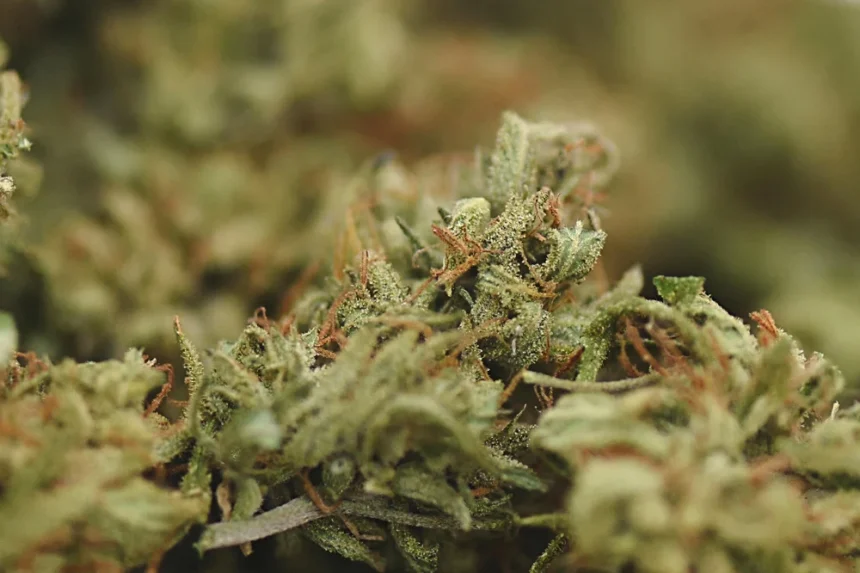
CBD flowers generally refers to the flowering parts of hemp plants that naturally contain cannabidiol (CBD) alongside other cannabinoids and plant compounds. CBD itself is one of many cannabinoids found in hemp and cannabis.
Unlike THC, CBD is not generally associated with an intoxicating “high.” However, cannabis-derived plant material can contain THC and other controlled cannabinoids, which can create important legal and safety considerations.
The UK regulatory framework therefore cannot be determined simply by a product being labelled “CBD.” Its composition, intended use and applicable legislation all matter.
Is CBD Legal in the UK?
The answer depends on the type of CBD product and how it is regulated.
The Food Standards Agency (FSA) classifies CBD extracts and isolates used in foods as novel foods. Such products require appropriate authorisation before being legally placed on the food market. As of the latest government guidance, the UK is continuing its assessment and authorisation process for CBD novel foods.
CBD itself is not listed as a controlled drug in the same way as THC. However, products containing controlled cannabinoids can fall under controlled-drug legislation. This makes the legal treatment of cannabis-derived material more complex than simply asking whether it contains CBD.
Why THC Matters
THC, or tetrahydrocannabinol, is a cannabinoid associated with the intoxicating effects of cannabis and is subject to UK controlled-drug rules.
This is particularly relevant when discussing flowers because whole plant material can contain multiple cannabinoids rather than isolated CBD. A label stating that a product is “CBD” or “hemp” does not by itself establish its legal status.
For this reason, claims about the legality of CBD flowers should be treated cautiously. Rules can also differ according to the part of the UK involved and the specific circumstances.
CBD Flowers and Food Regulations
Another important distinction concerns whether a CBD product is considered a food.
The FSA states that CBD extracts, isolates and products containing them as ingredients are classified as novel foods. Its guidance applies specifically to food regulation and explains that CBD novel foods require authorisation.
The FSA also maintains a register of products connected with novel-food applications. Inclusion on that register should not be interpreted as an endorsement of a product; the agency specifically notes that the information is supplied by applicants and that the list does not constitute an endorsement.
This distinction is useful because “available for sale” and “fully authorised” are not necessarily interchangeable concepts within the UK’s developing CBD regulatory framework.
What Does the FSA Say About Safety?
The FSA advises healthy adults to limit consumption of CBD food products to a maximum of 10 mg of CBD per day under its current provisional guidance. It advises children under 18, pregnant or breastfeeding people, people trying to conceive, and people taking medication to avoid CBD because important safety questions remain.
The agency also notes that CBD may interact with certain medicines and that excessive or long-term exposure may present health concerns.
These recommendations concern CBD foods and should not automatically be applied to unregulated cannabis flowers or other products.
Why Product Claims Require Caution
CBD products are sometimes promoted using claims about relaxation, sleep, pain, anxiety or other health effects. Such claims should not automatically be treated as established medical facts.
The FSA specifically advises consumers to be cautious about products making medical claims. Safety assessment and evidence of a potential health effect are different issues, and regulatory assessment does not necessarily establish that a product treats a particular condition.
The UK Regulatory Picture Is Still Developing
The UK’s CBD framework continues to evolve. In September 2026, the FSA published recommendations concerning the first three CBD novel-food applications, with proposed conditions intended to support consumer protection and compliance. Final authorisation decisions remain part of the regulatory process.
This means older articles about CBD flowers and UK law may no longer accurately describe the current position. Anyone researching the subject should check current government and regulator guidance rather than relying solely on retailer descriptions or older blog posts.
Final Thoughts
CBD flowers sit at the intersection of hemp, cannabis, CBD regulation and controlled-drug legislation. The term itself does not establish whether a particular product is legal, authorised or safe.
For reliable information, readers should distinguish between CBD as a cannabinoid, CBD food products regulated as novel foods, and cannabis plant material that may contain controlled cannabinoids such as THC. Current UK government and Food Standards Agency guidance should take priority over promotional claims.
Because regulations and scientific assessments can change, CBD-related information should always be checked against the latest official guidance before being treated as current.