


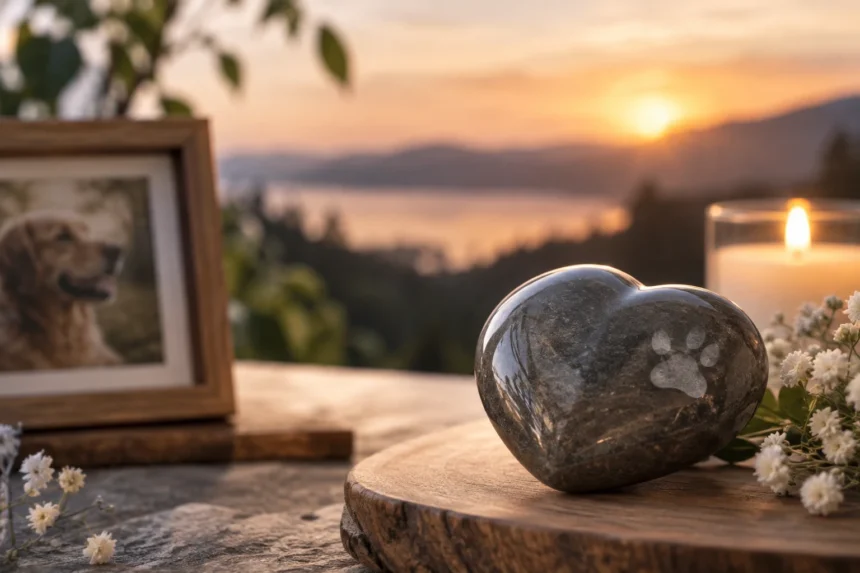
When someone we love passes away, memories often become the most precious connection we have left. A photograph, a favourite object, a handwritten note, or a familiar place can bring back emotions and moments that remain important for years. Today, there are also meaningful ways to create a physical memorial that can be kept close and become a lasting symbol of love. A remembrance stone is one such option, created from ashes and designed to preserve the memory of a beloved person or pet in a tangible form. Another possibility is exploring https://spogads.com/keepsakes-from-ashes, where different types of memorial keepsakes can be considered according to personal preferences and the relationship with the person or animal who has passed away.
- What Is a Memorial Keepsake?
- Why People Choose Keepsakes Made From Ashes
- Memorial Keepsakes for People
- Memorial Keepsakes for Pets
- How a Remembrance Stone Is Created
- Why Transparency Matters When Choosing a Memorial Service
- Memorial Stones as an Alternative to Traditional Urns
- Creating a Personal Memory Corner at Home
- The Emotional Meaning of a Physical Memorial
- How to Choose the Right Memorial Keepsake
- Taking Care of a Remembrance Stone
- Remembering Someone in a Way That Feels Right
- Conclusion
Memorial keepsakes are not intended to replace memories, photographs, ceremonies, or traditional ways of saying goodbye. Instead, they can become an additional part of the grieving process. Having a physical object that represents someone special can make remembrance feel more personal. It may be placed in a meaningful area at home, displayed alongside photographs, or kept somewhere private where a person can return to it whenever they need a moment of reflection.
What Is a Memorial Keepsake?
A memorial keepsake is a personal object created to preserve the memory of someone who has died. Depending on the type, it may contain a small amount of ashes or be designed specifically around a person’s or pet’s identity, personality, or story. Memorial keepsakes can take many forms, including stones, jewellery, sculptures, ornaments, engraved objects, and other personalised pieces.
The main purpose of a keepsake is emotional rather than practical. It creates a physical reminder of a relationship that continues to have meaning. For many people, grief is not simply about remembering a death; it is also about finding ways to continue expressing love, gratitude, and connection.
Memorial stones made from ashes are particularly distinctive because every piece can have its own appearance. Variations in colour, shape, and texture can make the finished object feel individual rather than mass-produced. Spogad describes its Remembrance Stones as handmade memorial pieces created from the ashes of a person or animal, with personalisation options available for certain designs. :contentReference[oaicite:1]{index=1}
Why People Choose Keepsakes Made From Ashes
After cremation, families may choose different ways to care for and remember the ashes. Some people keep an urn at home, while others scatter the ashes in a meaningful location. There is no single correct approach because remembrance is deeply personal. A keepsake can offer another possibility for people who want a tangible memorial that can be held, displayed, or moved between different homes and locations.
One of the reasons people choose a memorial stone is the feeling of closeness it can provide. An urn is traditionally designed to contain ashes, while a smaller memorial object can become something that feels more integrated into everyday surroundings. It may sit on a shelf, bedside table, desk, or special memory corner.
For some families, the physical presence of a memorial helps make remembrance part of ordinary life. Instead of putting memories away in a box, they can create a small space where photographs, flowers, letters, collars, toys, or other meaningful items can be displayed together.
A Tangible Connection to a Loved One
Grief can sometimes feel abstract. A person may know intellectually that someone has died, yet still expect to hear their voice, see them walk through the door, or receive a familiar message. A physical memorial does not remove this pain, but it can provide a tangible focus for memories.
Holding or looking at a memorial object may encourage a person to remember positive experiences rather than focusing only on the circumstances of the loss. It can become a quiet reminder of shared experiences, family traditions, adventures, conversations, and everyday moments that made the relationship unique.
Memorial Keepsakes for People
A memorial made from human ashes can be created to honour a parent, partner, child, grandparent, sibling, friend, or another important person. The design can be simple and understated or more personal, depending on what feels appropriate to the family.
For example, a stone can include an engraved name and years of life. Some designs may also offer a choice of colour or additional engraving. The goal is not to create a generic decorative object but to make something that represents an individual life and the relationship shared with that person.
Some families choose to create several memorial stones. This can be especially meaningful when relatives live in different places and each person wants a physical reminder to keep at home. Spogad states that several stones can be created for family members, allowing relatives to share a memorial while keeping individual pieces in different locations. :contentReference[oaicite:2]{index=2}
Personalisation Makes the Memorial Unique
Personalisation can make a memorial keepsake feel much more connected to the person being remembered. Even a simple inscription can transform an object into something deeply personal. A name, date, short phrase, or meaningful symbol can communicate something that photographs alone cannot always express.
The choice of shape and colour can also carry emotional significance. Some people may prefer a neutral and elegant design, while others may want colours associated with a loved one’s personality, favourite place, or favourite season. The most important consideration is that the finished piece feels appropriate to the memory being preserved.
Memorial Keepsakes for Pets
For many people, a pet is a member of the family rather than simply an animal living in the home. Dogs, cats, rabbits, horses, and other companion animals can be part of daily routines for many years. Their loss can therefore create a profound emotional gap.
Memorial keepsakes can provide a meaningful way to honour this relationship. A stone made from pet ashes can include the animal’s name and years of life, while some designs may also incorporate an engraving based on a photograph. Spogad offers Remembrance Stones created from pet ashes and provides options such as personalised colours, engraving, and pet portrait engraving. :contentReference[oaicite:3]{index=3}
For a pet owner, a memorial can represent much more than the final stage of an animal’s life. It can symbolise walks in the park, holidays together, quiet evenings at home, childhood memories, funny habits, favourite toys, and the companionship that existed every day.
Remembering a Pet Through a Familiar Shape
Some memorial designs go beyond a traditional stone. A silhouette can be created around the appearance of a beloved pet, using photographs as the basis for a personalised model. This approach can be particularly meaningful for people who want the memorial to reflect the physical appearance of their companion.
A personalised Remembrance Silhouette can involve creating a three-dimensional model from photographs, reviewing the model, preparing a mould, and then producing the final memorial piece from ashes. This makes the process more individual and allows the final object to reflect the unique appearance of the pet. :contentReference[oaicite:4]{index=4}
How a Remembrance Stone Is Created
When ashes are transformed into a memorial stone, the process requires careful handling and attention to detail. Because the ashes are associated with an individual person or animal, families naturally want reassurance that their memorial is being created with respect and transparency.
The exact production method can vary depending on the memorial design and the provider. Spogad explains that its Remembrance Stones are handcrafted using ashes together with non-toxic substances that provide hardness and water resistance, followed by a non-toxic protective coating. :contentReference[oaicite:5]{index=5}
The general process involves several important stages:
- Arranging the safe transfer of the ashes to the workshop.
- Receiving and carefully handling the ashes.
- Preparing the material mixture used to create the memorial.
- Confirming personalisation details such as engraving and design.
- Creating and finishing the individual memorial piece.
- Checking the completed item before it is returned to the family.
For certain orders, the production process can also include video confirmation. This can provide additional reassurance for families who want greater transparency about how their memorial is created. Spogad states that video confirmation of the process is available on request. :contentReference[oaicite:6]{index=6}
Why Transparency Matters When Choosing a Memorial Service
Choosing a company to handle ashes is a deeply personal decision. People are not simply purchasing a decorative object; they are entrusting someone with material that has enormous emotional significance. For this reason, communication, careful handling, and transparency are important considerations.
Before choosing a memorial service, it can be useful to find out how the ashes are collected or delivered, how they are identified and handled, how personalisation is confirmed, how long production takes, and how the finished memorial is packaged and returned.
It is also worth checking whether the company provides information about materials, guarantees, delivery, and aftercare. Clear answers to these questions can help families feel more confident about the decision.
Questions to Ask Before Ordering
- How are the ashes transferred to the company?
- How are the ashes handled during production?
- Can the engraving or design be approved before production?
- Is it possible to create more than one memorial?
- What personalisation options are available?
- How long does the production process normally take?
- Is video confirmation available?
- What type of guarantee is provided?
- How should the finished memorial be cared for?
- How is the completed piece packaged for delivery?
These questions are not signs of distrust. They are reasonable questions when dealing with something as personal as cremated remains. A reputable provider should understand why families want clear information and should be willing to explain the process in a sensitive way.
Memorial Stones as an Alternative to Traditional Urns
Traditional urns remain an important choice for many families, but they are not the only way to preserve ashes. Some people find an urn difficult to integrate into their home or feel that it does not provide the kind of personal connection they are looking for.
A memorial stone offers a different experience. It can be smaller, more tactile, and easier to incorporate into a personal memory space. It can also be placed on a wooden stand, displayed with photographs, or kept in another meaningful location.
According to Spogad’s information, the Remembrance Stone is intended as an alternative to an urn, particularly for people who want a durable and more personal object that can be stored, transported, and kept close. :contentReference[oaicite:7]{index=7}
Creating a Personal Memory Corner at Home
A memorial keepsake does not have to be displayed alone. Some families create a small memory corner dedicated to a loved one or pet. The space might contain photographs, candles, flowers, letters, favourite objects, or other items associated with the person or animal.
There are no strict rules for creating such a space. It can be minimalist or filled with personal details. The most important thing is that it feels comfortable and meaningful to the people who use it.
A memorial stone can become the central element of this space. A photograph behind it can show a favourite moment, while a small plant or flower can add a sense of life and continuity. For a pet, the memory corner might also include a collar, favourite toy, tag, or photograph.
Some people may prefer to keep the memorial private. It can be placed in a bedroom, office, garden, or another location where the person feels comfortable spending time alone. Memorialisation does not have to be public to be meaningful.
The Emotional Meaning of a Physical Memorial
Grief is different for everyone. Some people want to talk about their loss frequently, while others need quiet and privacy. Some find comfort in photographs, and others prefer objects that can be touched and held. A memorial keepsake can fit into this highly individual process without requiring a person to grieve in a particular way.
The physical object can also become part of family history. Years later, younger relatives may ask about the person or pet represented by the memorial. The stone or keepsake can provide an opportunity to tell stories that might otherwise be forgotten.
In this way, a memorial is not only connected to the past. It can also help future generations understand who someone was, what they meant to the family, and why their life continues to matter.
A Memorial Can Preserve Stories, Not Just Ashes
The most valuable part of any memorial is the story behind it. A name on a stone may lead to a conversation about a person’s childhood, career, sense of humour, favourite music, travels, or family traditions. The name of a pet may bring back stories about long walks, mischievous behaviour, favourite treats, or unforgettable moments.
This is why memorialisation can be so powerful. The physical object is only one part of the process. Its deeper purpose is to provide a place where memories can continue to exist and be shared.
How to Choose the Right Memorial Keepsake
There is no universally perfect memorial design. The right choice depends on the relationship, personal preferences, available space, and the type of remembrance that feels most natural.
When choosing a keepsake, consider whether you want something that can be displayed prominently or kept privately. Think about whether an engraving would be meaningful, whether a photograph could be incorporated into the design, and whether you would prefer a traditional stone, heart-shaped design, jewellery piece, or personalised silhouette.
It is also important to consider the amount of ashes required and whether you want to create a single memorial or several pieces for different family members. Different designs may have different requirements, so discussing these details with the provider before ordering can make the process easier.
Simple Factors to Consider
- The person or pet you want to honour.
- The type of memorial that feels emotionally appropriate.
- The amount of ashes available for the chosen design.
- The desired size and location of the finished piece.
- Engraving and personalisation options.
- The production and delivery timeframe.
- The materials and protective finish used.
- The company’s approach to handling ashes.
- Available guarantees and aftercare.
Taking Care of a Remembrance Stone
A memorial keepsake is designed to last, but ordinary care is still important. The exact cleaning and storage recommendations should always come from the provider because different finishes and materials may require different treatment.
In general, a memorial should be protected from unnecessary impacts, harsh chemicals, extreme environmental conditions, and improper storage. If it is displayed outdoors, additional attention may be needed because weather and temperature changes can affect decorative surfaces over time.
For indoor display, choosing a stable surface away from areas where the stone could easily fall can help protect it. A soft cloth can be useful for gentle cleaning when recommended by the manufacturer. Keeping any care instructions that arrive with the memorial is also a good idea.
Remembering Someone in a Way That Feels Right
There is no single correct way to remember someone who has died. Some families choose a traditional funeral and burial, some choose cremation, and others create personal rituals that reflect the life and personality of the person or pet they have lost.
A memorial keepsake can be one part of that personal approach. It can provide a lasting object that represents love, connection, and remembrance without requiring a particular ceremony or tradition.
For someone who has lost a beloved pet, it may be a way to keep a familiar presence within the home. For someone grieving a family member or close friend, it can become a private symbol of a relationship that remains important even after death.
The value of a memorial is ultimately determined by the meaning it has for the person who keeps it. A simple stone may look like an ordinary object to someone else, but to a grieving family it can represent decades of love, shared experiences, and memories that can never be replaced.
Conclusion
Memorial keepsakes offer a personal way to honour someone who has passed away while keeping their memory close. Remembrance Stones made from ashes can provide a tangible connection to a beloved person or pet, while personalised designs can incorporate names, dates, colours, engravings, or even familiar shapes.
The decision to create a memorial should always be personal and made at a pace that feels comfortable. There is no need to follow someone else’s idea of what remembrance should look like. What matters is choosing something that reflects the relationship and provides a meaningful way to preserve the memories that remain.
A carefully created memorial can become more than an object. It can become part of a family’s story, a quiet place for reflection, and a lasting reminder that although a life has ended, the love and memories connected with that life can continue.