


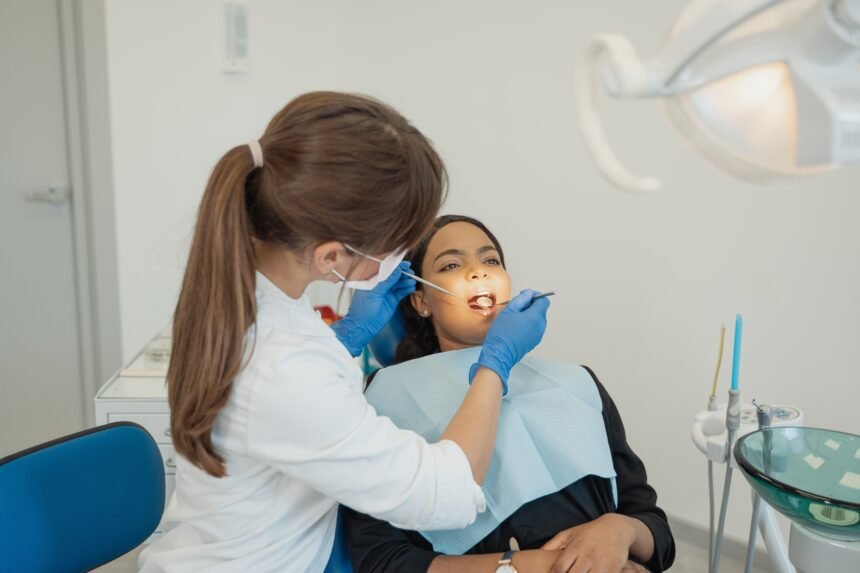
In a busy city like London, access to prompt healthcare services is essential, and dental care is no exception. With millions of residents and visitors navigating busy schedules, dental emergencies can occur at any time. Delaying treatment often leads to increased pain, additional complications, and potentially more extensive procedures later on. That’s why having access to urgent dental care is so important.
Many people assume that dental issues can wait until their next routine appointment. However, emergencies involving severe pain, infection, trauma, or damaged teeth often require immediate professional attention. Acting quickly can not only relieve discomfort but also improve the chances of preserving natural teeth and preventing further damage.
Understanding the importance of timely emergency dental treatment can help protect both your oral health and your overall wellbeing.
Why Immediate Treatment Matters in Dental Emergencies
When a dental emergency occurs, every hour can matter. What may begin as a manageable issue can quickly develop into a more serious problem if treatment is delayed. Immediate care helps address the underlying cause of the issue while reducing the risk of complications.
For example, a small crack in a tooth may not seem urgent at first. However, if left untreated, the crack can deepen, exposing sensitive inner structures and increasing the risk of infection. Similarly, a tooth that has been knocked out has a much greater chance of being saved if a dentist is able to treat it promptly.
Dental infections are another example of why immediate care is so important. Infections can spread beyond the affected tooth and impact surrounding tissues. In some cases, they may even contribute to more serious health concerns if not addressed quickly.
If you’re experiencing dental pain or trauma and looking for a private emergency dentist London has multiple professionals who provide access to same-day assessments, urgent treatment, pain relief, and professional guidance, which significantly improve outcomes while helping prevent further complications.
Quick intervention also often reduces the need for more complex procedures later. A problem addressed early may require a simple treatment, whereas delaying care could result in root canal therapy, tooth extraction, or more extensive restorative work.
The sooner a dental professional can evaluate the situation, the better the chances of preserving oral health and avoiding unnecessary discomfort.
The Risks of Delaying Dental Treatment
Many people postpone dental treatment because they hope the problem will resolve on its own. Unfortunately, dental emergencies rarely improve without professional care. In fact, delaying treatment often allows the condition to worsen.
Pain is usually the first consequence. What starts as mild discomfort can quickly become severe and difficult to manage. This can affect eating, sleeping, speaking, and daily activities.
Infections present an even greater concern. Bacteria can spread from an infected tooth into surrounding gums and tissues. If the infection continues to progress, it may cause swelling, abscess formation, and additional complications that require more extensive treatment.
Delaying care can also increase the likelihood of tooth loss. A damaged tooth that might have been saved through prompt intervention may become irreparable if treatment is postponed for too long.
Financial considerations should not be overlooked either. Early treatment is often simpler and less costly than addressing advanced dental problems. Waiting until a condition becomes severe may result in more complicated procedures and higher treatment expenses.
Seeking care as soon as symptoms appear is one of the most effective ways to protect both oral health and long-term treatment costs.
Common Dental Emergencies That Require Immediate Attention
Not every dental issue is an emergency, but some situations require urgent professional care. Understanding the difference can help individuals make informed decisions when problems arise.
Severe tooth pain is one of the most common reasons people seek emergency dental treatment. Persistent or intense pain often indicates an underlying issue such as infection, decay, or trauma.
Knocked-out teeth require immediate attention. The sooner a dentist can assess and treat the tooth, the greater the likelihood that it can be successfully preserved.
Broken, chipped, or fractured teeth should also be evaluated promptly. Even when damage appears minor, internal structures may have been affected. Delaying treatment can increase the risk of infection and further breakage.
Dental abscesses are another serious concern. These infections can cause swelling, pain, and fever while posing risks to surrounding tissues and overall health.
Lost fillings, crowns, or other restorations may also require urgent care, particularly if they leave sensitive areas exposed. Significant bleeding following dental trauma is another situation that should never be ignored.
Whenever there is uncertainty about the severity of a dental problem, contacting a dental professional is always the safest course of action.
How Emergency Dental Care Protects Long-Term Oral Health
Emergency dental treatment is about more than simply relieving pain. It also plays an important role in protecting long-term oral health.
One of the primary goals of emergency care is preserving natural teeth whenever possible. Prompt treatment often allows dentists to repair damage before it becomes irreversible. This can help patients avoid tooth loss and maintain normal function.
Emergency care also helps prevent infections from spreading. Treating issues early reduces the likelihood of complications that could affect gums, bone structures, and neighbouring teeth.
Protecting the bite is another important benefit. Damaged or missing teeth can affect how the upper and lower teeth come together, potentially leading to additional dental problems over time.
By addressing emergencies quickly, dentists can often preserve more of the natural tooth structure and minimise the need for future restorative work.
In many cases, immediate treatment supports better long-term outcomes while helping patients maintain healthy, functional smiles.
Dental emergencies can be painful, stressful, and unpredictable, but prompt treatment can make a significant difference in the outcome. Whether the issue involves a severe toothache, a broken tooth, an infection, or dental trauma, acting quickly helps protect both immediate comfort and long-term oral health.
Immediate care often prevents complications, reduces pain, preserves natural teeth, and minimises the need for more extensive treatment later. Delaying treatment, on the other hand, can allow problems to worsen and increase the risk of permanent damage.
Understanding when to seek emergency dental care and responding promptly when problems arise are essential parts of maintaining good oral health. By taking dental emergencies seriously and obtaining professional help without delay, individuals can protect their smiles, their wellbeing, and their peace of mind for years to come.