


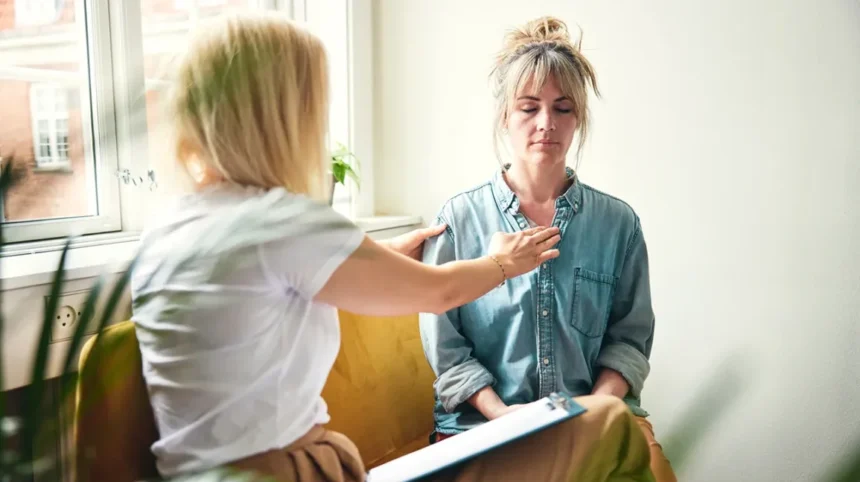
After decades of dangerous dieting, experimental cosmetics and hustle culture, the younger generations are turning towards a gentler lifestyle.
- Why Has Holistic Wellness Become Mainstream?
- How Has Mental Health Become Part of Everyday Wellness?
- How Have Addiction Recovery and Holistic Healing Become More Connected?
- Is Physical Wellness No Longer Just About Fitness?
- What Does the Future of Wellness Look Like?
- Why Holistic Health is the New Trend – FAQs
While in the past makeup trends and cosmetic procedures sought to make people look like one aesthetic ideal, social media trends are celebrating features that have ‘a little wabi sabi’ – the simple, authentic and personal quirks that make us unique.
With the changing face of wellness favouring flawed over perfect, health trends have followed suit. We understand more than ever that emotional, mental and physical health are all linked, and need to be treated as one.
In this rapidly evolving world of healthcare, find out why holistic health is the new trend.
Why Has Holistic Wellness Become Mainstream?
People are turning their back on merely treating health problems once they’ve begun, and are thinking more about preventing them before they develop. This has triggered a cultural shift where holistic wellness has become mainstream.
There’s also been a move away from appearance-focused health trends towards overall wellbeing. Gen Z is redefining healthy living to mean balance, mindfulness and sustainability.
In a society where hustle culture has left us burnt out, disenchanted, and with little to show for it, people are turning towards rest, authentic beauty, and natural remedies.
How Has Mental Health Become Part of Everyday Wellness?
There has been a big push to reduce the stigma surrounding mental health, with emotional wellbeing, therapy, and psychiatric treatments becoming more accepted, talked about, and normalised in popular culture.
Some research shows that our mental health can actually shape our physical health. The book The Body Keeps the Score took off on online, with excerpts being shared on social media pushing the main point that trauma may contribute to physical illness.
While this book has been critiqued as over-exaggerating scientific research, that hasn’t stopped it from capturing hearts and imaginations, and raising awareness for the idea that treating mental health can improve physical health.
Thousands of TikTokers are sharing daily routines of themselves meditating, journalling, and doing breathwork. Digital detoxes and ‘dopamine detoxing’ are also taking off, with people reducing their screen time and favouring low stimulation activities to reduce cortisol levels and reset the brain’s reward network.
Wellness apps like Finch, Calm and Headspace have amassed millions of downloads, and retreats and holistic coaching have become popular breaks and pastimes.
While in the past people may have yearned for physical health goals, young people are now reaching for a ‘healed aesthetic’ – an emotional resilience. A regulated nervous system and good gut microbiome are heralded as important health goals.
After decades of individualism, ‘keeping up with the Joneses’ and emotional repression, people are looking towards minimalism, third spaces and community for long-term wellbeing.
How Have Addiction Recovery and Holistic Healing Become More Connected?
Another area of health which has turned more towards holistic approaches is addiction recovery.
Research has shown that treating the whole person by addressing their psychological, biological, social, and spiritual needs results in better long-term recovery outcomes.
Stopping substance use is just the first step towards recovery. Achieving long-term sobriety requires mental, physical, and emotional support which is designed to treat the root causes and prevent relapse.
Drug and alcohol rehabs offer holistic treatment to build good habits, boost mood and develop a healthy lifestyle:
- Nutrition and sleep routines
- Fitness and movement
- Mindfulness and stress management
- Peer support and recovery communities
There’s also an increasing amount of people intentionally opting for sober-living and alcohol-free lifestyles, which can prevent addiction from happening. Consider Rehab 4 Addiction’s home detox.
Is Physical Wellness No Longer Just About Fitness?
Extreme dieting and gym culture have become much less popular, with sustainable health habits becoming much more widespread. There’s also a growing consciousness towards good sleep hygiene, stress reduction and proper recovery from injuries.
While extreme crash diets have captured imaginations in the past, there’s more of an awareness now that realistic diets, whole foods and integrative nutrition offer better long-term results for weight control, immunity and even skin health.
Improving gut microbiome, repairing hormone-syncing fitness, and drinking mushroom coffee are just some of the latest wellness trends that seek to use gentle remedies to get our bodies back in alignment with their natural state.
Wearable health technology like smart watches don’t just track steps and calories burned any more, they check heart health, sleep quality and stress levels.
What Does the Future of Wellness Look Like?
Holistic wellness isn’t just a temporary trend – it’s a movement based on real scientific and anecdotal evidence. With wellness shifting towards a holistic approach, we’re likely to see more blending of mental health, physical wellbeing and lifestyle choices.
With workplaces, schools and communities continuing to adopt holistic approaches to health, wellness is becoming part of modern identity and culture. ‘Wellness journeys’ are becoming more and more important, and people are wanting to see authenticity from products and services and the people advertising them.
While some online wellness trends lack scientific backing, the broader movement towards preventative health, stress reduction, and lifestyle balance reflects changing attitudes towards wellbeing.
This integrative strategy to health can help you reach your beauty, fitness, mental health goals with one, simple, holistic approach.
Why Holistic Health is the New Trend – FAQs
How Have Ancient Wellness Principles Shaped Health?
Ancient monastic wisdom and modern holistic health have come together, with yoga, meditation and sound baths becoming popular activities in homes, wellness centres and even retreats. This comeback counteracts modern, fast-paced lifestyles in favour of a slower way of life.
How is Wellness Becoming More Personalised?
While health trends used to pretend that one size fits all, there’s more public consciousness now that our individual needs require a unique approach and personalised goals. Wellness apps are helping people understand their specific needs, and you can even get bespoke supplements tailored to your body’s requirements.
Is Social Media a Help or a Hindrance to Holistic Wellbeing?
While people are deleting ‘doom-scrolling’ apps and shunning over-stimulating screen time, social media is also leading important conversations about health and wellness. It can be an excellent tool to get information, resources, and tips and tricks from real people.