


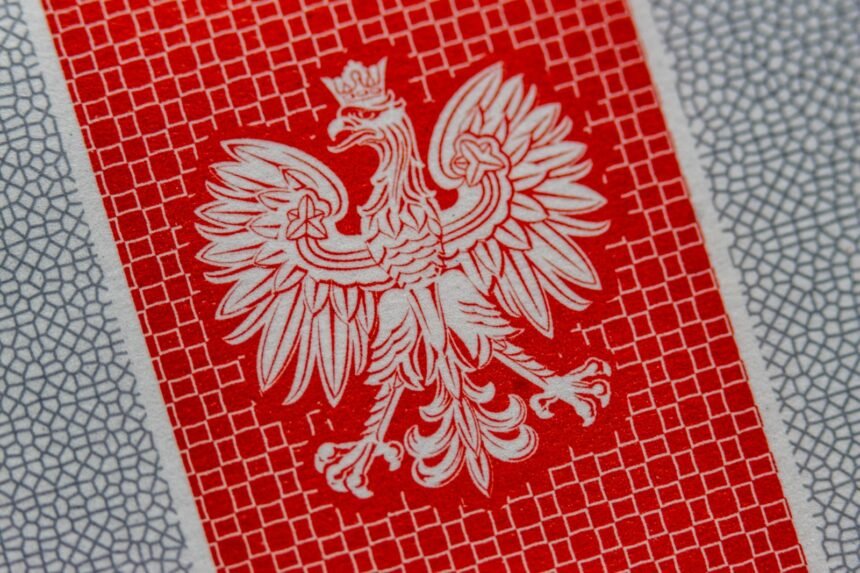
For many people with Polish roots, citizenship is not only a legal status but also a connection to family history, language, and a country that may have shaped generations before them. Polish citizenship confirmation is often the formal step that turns a family story into an officially recognized legal fact. It can be especially meaningful for people whose parents, grandparents, or great-grandparents left Poland during war, political unrest, economic hardship, or post-war migration. At the same time, the procedure can feel complex, because it depends on documents, legal continuity, and the interpretation of historical citizenship rules.
- What Is Polish Citizenship Confirmation?
- Who Can Apply for Polish Citizenship Confirmation?
- Citizenship by Descent: The Importance of Legal Continuity
- Why People Seek Confirmation of Polish Citizenship
- Documents Usually Needed for the Procedure
- How the Application Process Usually Works
- Legal Issues That Can Affect Eligibility
- Emotional and Family Aspects of the Process
- Financial and Organisational Considerations
- What Happens After a Positive Decision?
- Common Mistakes to Avoid
- Final Thoughts
Understanding what Polish citizenship confirmation means, who may apply for it, and what practical challenges can appear along the way can help applicants approach the process with clearer expectations. While every family situation is unique, there are common principles that shape most cases. The key is to determine whether Polish citizenship was passed from one generation to the next and whether it was ever lost under Polish law.
What Is Polish Citizenship Confirmation?
Polish citizenship confirmation is an administrative procedure through which the Polish authorities confirm whether a person is already a Polish citizen by law. It is important to understand that this is not the same as applying to become Polish through naturalisation or asking the President of Poland to grant citizenship. In confirmation cases, the applicant is usually trying to prove that they have been Polish from birth because citizenship was inherited from a Polish parent, grandparent, or sometimes an earlier ancestor.
The result of the procedure is an official decision issued by the relevant Polish authority. If the decision is positive, it confirms that the person holds Polish citizenship. This decision can then be used to apply for Polish civil records, a PESEL number, an identity card, or a Polish passport, depending on the applicant’s circumstances.
In practical terms, confirmation is often relevant for people living outside Poland, including in the United States, Canada, the United Kingdom, Australia, South Africa, Argentina, Brazil, Israel, and many other countries where Polish emigrant communities settled. Some applicants grew up hearing that a grandparent was “from Poland,” while others have old passports, military papers, birth certificates, or naturalisation documents stored in family archives. The confirmation process connects these personal records with the requirements of Polish law.
Who Can Apply for Polish Citizenship Confirmation?
In general, any person who believes they may already be a Polish citizen can apply for confirmation. Most commonly, applicants are descendants of Polish citizens who emigrated from Poland and maintained citizenship long enough to pass it to the next generation.
Typical applicants include:
- Children of Polish citizens born outside Poland.
- Grandchildren of Polish citizens who emigrated in the 20th century.
- Great-grandchildren of Polish citizens, if citizenship can be traced through each generation.
- People whose parents or grandparents left Poland before, during, or after the Second World War.
- Individuals adopted by Polish citizens, depending on the legal circumstances and timing.
- People who have Polish documents in the family but are unsure whether citizenship was lost.
The main question is not simply whether an ancestor was born in Poland. The key question is whether that ancestor was a Polish citizen and whether citizenship was transmitted legally through the family line. This distinction matters because the territory of Poland changed over time, and not everyone born in a place that is now or was once Polish automatically had Polish citizenship.
Citizenship by Descent: The Importance of Legal Continuity
Polish citizenship is generally based on the principle of ius sanguinis, meaning citizenship by blood or descent. In simple terms, a child born to a Polish citizen may acquire Polish citizenship at birth, even if they are born abroad. However, in confirmation cases, the authorities examine the law that was in force at the time of each birth and major life event.
This means that an applicant must usually show a chain of citizenship from the Polish ancestor to themselves. For example, if a grandmother was a Polish citizen, the authorities may ask whether she still held Polish citizenship when her child was born. Then they may examine whether that child passed citizenship to the next generation. A break in the chain may affect the outcome.
Practical examples can help illustrate this:
- Example 1: A Polish man emigrated to Canada in 1930, did not naturalise before the birth of his child, and the child later had a daughter. If no loss of Polish citizenship occurred, the granddaughter may have a strong basis for confirmation.
- Example 2: A Polish citizen naturalised in another country before the birth of their child at a time when foreign naturalisation caused loss of Polish citizenship under applicable rules. In such a case, the chain may have been interrupted.
- Example 3: A person’s ancestor was born in Lviv before the Second World War. The case may require careful analysis of historical citizenship, residence, state succession, and documents, because birthplace alone is not enough.
Why People Seek Confirmation of Polish Citizenship
The motivations behind Polish citizenship confirmation are varied and often deeply personal. For some, it is a way of honouring a family member whose life was shaped by displacement, war, or migration. For others, it is a practical step connected with living, working, studying, or travelling in Europe.
Because Poland is a member of the European Union, Polish citizenship also means EU citizenship. This may provide rights such as living and working in other EU countries, access to certain education systems under local rules, and simplified travel within the EU. These practical benefits can be significant, but applicants often describe the emotional side as equally important: the feeling that a missing part of family identity has been formally acknowledged.
There may also be organisational and financial reasons. A person planning long-term relocation to Europe, for instance, may want to clarify their status before making decisions about employment, housing, taxation, healthcare, or education for their children. Confirming citizenship early can prevent uncertainty later, especially when legal status affects major life plans.
Documents Usually Needed for the Procedure
Polish citizenship confirmation relies heavily on documentary evidence. The exact documents depend on the family history, but applicants are often asked to provide records proving identity, family relationships, emigration history, and citizenship status.
Commonly required or useful documents include:
- Birth certificates of the applicant, parent, grandparent, and relevant Polish ancestor.
- Marriage certificates, especially where surnames changed.
- Death certificates, if relevant.
- Old Polish passports, identity cards, military booklets, or residence documents.
- Naturalisation records from the country of emigration.
- Certificates of non-naturalisation, where an ancestor did not become a citizen of another country before a key date.
- Passenger lists, immigration files, census records, or archival documents.
- Court records related to name changes, adoption, or family status.
In many cases, foreign documents must be legalised or apostilled and translated into Polish by a sworn translator. Names may also appear in different spellings across records, particularly where Polish names were adapted after migration. A person named “Stanisław Kowalski” in Poland may appear as “Stanley Kowalsky” in American or British records. Such differences do not automatically prevent confirmation, but they need to be explained and documented carefully.
How the Application Process Usually Works
The process typically begins with an assessment of the family line and available documents. This stage is important because it helps identify potential weaknesses, missing records, or legal questions. Applicants who are unsure where to start often begin by collecting family certificates and checking naturalisation records in the country where their ancestor settled.
Once the documents are prepared, the application is submitted to the competent Polish authority, usually through a provincial governor’s office in Poland. The authority reviews the evidence and may request additional documents or clarification. For people living abroad, the procedure can be managed through correspondence or with support from a representative in Poland.
Families dealing with scattered archives, old records, and legal uncertainty may find it helpful to use a structured Polish citizenship confirmation service when they need assistance assessing documents, preparing submissions, or understanding how Polish citizenship law applies to their situation.
The timeframe can vary considerably. Straightforward cases with strong documentation may move more efficiently, while complex cases involving missing records, name discrepancies, wartime migration, or uncertain naturalisation status can take longer. Patience is often necessary, as administrative review depends not only on the applicant’s preparation but also on archival searches and official workloads.
Legal Issues That Can Affect Eligibility
Polish citizenship law has changed several times over the last century, and these changes can significantly affect confirmation cases. The relevant laws may include those from 1920, 1951, 1962, and later periods. The authorities look at the law in force at the time when key events occurred, such as birth, marriage, military service, foreign naturalisation, or adoption.
Some issues that commonly require careful legal analysis include:
- Foreign naturalisation: In certain historical periods, acquiring foreign citizenship could result in loss of Polish citizenship.
- Military service abroad: Service in a foreign army, depending on timing and circumstances, may raise questions.
- Gender-based rules: Earlier citizenship laws sometimes treated men and women differently, especially in relation to marriage and transmission of citizenship.
- Minor children: Changes in a parent’s citizenship could sometimes affect minor children under older laws.
- Border changes: Ancestors from areas that changed sovereignty may require more detailed historical research.
This is one reason why two families with similar stories may receive different outcomes. For example, two siblings who emigrated in the same decade might have different citizenship consequences if one naturalised before having children and the other did not. Dates matter. Documents matter. Small legal details can shape the entire case.
Emotional and Family Aspects of the Process
Although citizenship confirmation is a legal procedure, it often involves emotional work as well. Applicants may discover parts of their family history that were never discussed openly, including forced migration, loss of property, persecution, or family separation. For descendants of wartime refugees or Holocaust survivors, the process may bring up difficult memories preserved in documents, testimonies, or archival traces.
It is not unusual for applicants to feel both curiosity and anxiety. Some worry that missing documents will make the process impossible. Others fear that a negative decision would somehow weaken their connection to Polish heritage. It is worth remembering that legal citizenship and cultural identity are related but not identical. A person may have a meaningful Polish family history even if legal confirmation proves difficult or unavailable.
On a practical level, discussing the process with relatives can be helpful. Older family members may remember names, dates, villages, occupations, or migration routes that do not appear in modern records. Even small details, such as the original spelling of a surname or the name of a parish, can help locate archival documents.
Financial and Organisational Considerations
Applicants should plan for costs connected with official documents, archive searches, sworn translations, apostilles or legalisation, administrative fees, and possible professional assistance. Costs vary depending on the number of generations involved and the countries where records must be obtained.
Good organisation can reduce delays and unnecessary expenses. It is sensible to create a chronological family timeline before submitting an application. This timeline should include births, marriages, emigration dates, naturalisation dates, military service, and deaths. Such a structure helps identify gaps and contradictions early.
Useful practical steps include:
- Start with yourself and work backwards generation by generation.
- Keep digital scans of every document in a clearly labelled folder.
- Record where each document came from and whether it is an original, certified copy, or archive extract.
- Check whether names, dates, and places are consistent across records.
- Do not assume that family stories are legally sufficient without documentary support.
For people planning to relocate, study, or work in Europe, it is also wise to begin early. Citizenship confirmation can take time, and it should not be left until a job offer, university deadline, or family move is already urgent.
What Happens After a Positive Decision?
A positive decision confirming Polish citizenship is often a major milestone, but it may not be the final administrative step. The person may still need to register foreign civil status records in Poland, such as birth and marriage certificates. This process is known as transcription of civil records. After that, the applicant may apply for a PESEL number and then a Polish passport.
Families should also consider whether children may be Polish citizens as a result. If a parent’s citizenship is confirmed, it may be possible to confirm or document the citizenship of minor children as well, depending on the facts. This can be important for families making long-term plans involving education, healthcare, or residence in the European Union.
Common Mistakes to Avoid
Several avoidable mistakes can make the process more difficult than necessary. One common issue is relying only on a family member’s birthplace. Another is assuming that possession of an old Polish document automatically proves an uninterrupted citizenship line. Old passports or military documents are valuable, but they must be interpreted within the broader legal context.
Applicants should also avoid submitting incomplete or inconsistent documents without explanation. If a surname changed several times, or if a birth date differs by one day in two records, the discrepancy should be addressed. Polish authorities generally expect a coherent evidentiary chain.
It is also important not to overlook naturalisation records. In many confirmation cases, proving that an ancestor did not naturalise before the birth of a child may be just as important as proving that the ancestor was born in Poland. This is why certificates of non-naturalisation can be central evidence in cases involving countries such as the United States or Canada.
Final Thoughts
Polish citizenship confirmation is a procedure that combines law, history, documentation, and personal identity. It is designed to determine whether a person is already a Polish citizen by descent, not to grant citizenship as a new privilege. The strongest cases are usually those where the applicant can show a clear chain of citizenship from a Polish ancestor through each generation, supported by reliable records.
For some people, the process is primarily practical, opening the door to a Polish passport and the rights connected with EU citizenship. For others, it is a meaningful way to reconnect with family history and give formal recognition to a heritage that may have survived through stories, names, recipes, photographs, and memories. Before beginning, it is worth taking time to gather documents, speak with relatives, understand the legal background, and reflect on what confirmation means personally and practically. A careful, informed approach can make the journey less overwhelming and more respectful of both the legal process and the family history behind it.