


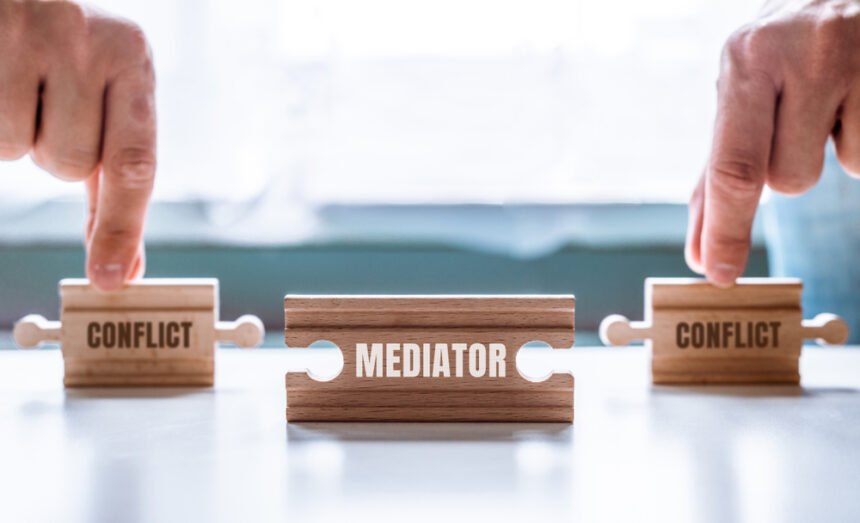
There are conflicts that we must deal with in our daily life. The need to find a practical and efficient means to resolve conflict has grown in importance in areas such as business relationships, families, in the workplace, and in contractual arrangements. Traditional litigation is still a possibility, but many people and entities now opt for mediation, as an alternative form of dispute resolution, because it is flexible and offers a more collaborationist approach.
Mediation is about communication and problem solving, not confrontation. As opposed to a long litigation process, parties cultivate and consider alternatives to litigation with the help of a neutral third party. This process has become popular because it is a fair, private and efficient way of transferring information.
Mediations are often misunderstood.
Mediation is where parties in a conflict get a trained and unbiased mediator to help them discuss their options. The mediator does not make any decision, unlike a Judge or Arbitrator. They should facilitate discussions, find common ground and support the participants in considering potential solutions.
In many cases the process will be a voluntary one, and the individuals will have more control over the process. This is one difference between mediation and litigation, which frequently makes court decisions to settle conflicts.
Sessions can be held in person or remotely; they will be designed to provide a safe space for concerns to be discussed and addressed in a respectful manner. Discussions are confidential, so that helps people come out with their interests and priorities.
Why So Many are opting for Mediation
A key factor in the increasing use of mediation is that it is time and resource-saving. It takes months, if not years, for court cases to come to a conclusion, and mediation may resolve issues in a matter of days. This efficiency makes it appealing to enterprises and people that are looking for genuine results without long holding up.
Cost is another important consideration. Litigation can be very costly—including lawyer’s fees, filing fees and expert witness fees. The resources that are generally required in mediation are fewer as compared to other processes, and thus it is more cost-effective.
Furthermore, mediation also serves the very good function of keeping relationships intact. As the process engages parties to be cooperative instead of fighting over adversarial arguments, it’s helpful where continued interaction between the parties is vital. Through mediation, often business partners, family members, employers and employees can reach agreements that will enable productive relationships.
Use in various types of conflicts
There are a myriad of situations where mediation is employed. It is a common way of settling commercial disagreements related to contracts, partnerships and financial issues. Mediation is also a way for employers and employees to work through disagreements in the workplace and to enhance communication.
Another area in which mediation is important is family disputes. There are situations where separation, parenting and inheritance rights are concerned, where it is better to go the gentle way. This emphasis on collaboration can help ease tensions and stress, and promote student success and solutions to the problem.
Other cases where mediation works include property disputes, landlord-tenant problems and consumer conflicts. Given the adaptability of the process, it is increasingly able to deal with matters that may have unique concerns that do not readily conform to the formal legal process.
Finding Professional Support
An important element to a successful mediation is having the right mediation firm. But for many who are looking for other ways of handling conflict, providers who specialize in Birmingham mediation may be a great option for confidential and constructive conflict resolution. To learn more about Birmingham mediation and how the process can help resolve disputes effectively, choosing experienced professionals can make a significant difference. They can assist parties in communicating effectively in even the most challenging conversations, and ensure the resolution is one which is mutually desirable and in the best interests of all parties.
With each mediator comes experience, communication abilities and a proficient expertise of the topic. The proper professional knows how to establish a level of trust and lead discussions to a productive place.
The Advantages of Maintaining Control
Another major advantage of mediation is that the participants hold on to the power of decision-making. While there may be parts of court awards that make a victor and loser, mediation will work with negotiating a compromise to satisfy both parties.
This leads to more satisfaction to the participants as they feel being part of it. The solutions agreed to together, therefore are more likely to be followed voluntarily as both parties have helped reach the solution.
One of the good things is it is flexible. Mediation provides for creative solutions that may not be achieved in a lawsuit. Organised by parties, agreements can be made to suit their situation and solutions are likely to be practical and sustainable.
Confidentiality and Privacy
In numerous conflicts, privacy may be at issue. All documents related to court proceedings may get out to the public and thereby make sensitive information available to whatever parties. However, mediation is typically a confidential forum in which negotiations are kept confidential.
This factor is valued by businesses as it assists them to safeguard their reputations and proprietary information. People also appreciate confidentiality in the context of personal and family issues. Being able to discuss issues without being noticed helps to create a more comfortable and productive environment.
Encouraging Better Communication
Problem escalation is caused by lack of communication. Resolutions can be difficult as misunderstandings, assumptions and emotional reactions can occur. Mediation is an opportunity to listen to different viewpoints and express concerns.
By facilitating talking points, you will find that you’re likely to uncover some commonalities of shared interests and commonalities of shared goals. Better communication can save in the future and enhance professional or personal relationships. While mediation is not always successful in reaching full settlement, mediation often assists in settling the case, reducing tension and preparing a structure for hopefully productive future interactions.
Looking Ahead
Whereas there is an increasing awareness of alternative methods of dispute resolution, mediation is likely to become an even more valuable tool. It promotes collaboration, effectiveness, and understanding, which are essential in today’s world of individuals and organizations.
Although litigation may be necessary in some situations, mediation is also a viable road to travel that opens the doors of communication and joint solutions. Mediation offers a way to engage in discussion and move towards a resolution, one that is mutually beneficial to help create stability.