


If you’ve spent any time on vertical drama apps lately, you’ve probably noticed a pattern.
A woman discovers she’s been betrayed. A husband turns out to be a liar. A family member hides a devastating secret. Sometimes the heroine even dies. Then, just when everything seems lost, she gets a second chance to change her fate.
These high-concept romance plots have become a staple of short-form dramas, and it’s easy to see why. In a format built around episodes that may last only a few minutes, stories need to capture attention immediately. There isn’t time for a slow build when viewers can scroll away at any moment.
That’s why so many successful vertical dramas begin with enormous emotional stakes from the very first scene.
Big Emotions, Fast
Traditional television often spends time introducing characters and gradually establishing conflict. Vertical dramas operate differently.
Because the format is designed for mobile viewing, stories are often built around immediacy. They frequently begin in the middle of a crisis rather than slowly working toward one. Viewers are expected to understand the central conflict almost instantly.
Revenge stories are particularly effective in this environment because the emotional hook is immediately clear. Someone has been betrayed. Someone wants justice. Someone is determined to change the outcome.
The audience doesn’t need a lengthy explanation to understand why the story matters.
The Appeal of a Second Chance
While revenge creates the initial spark, second-chance storytelling adds something deeper.
Many of these stories tap into a familiar fantasy: the opportunity to go back and make different choices. Most people have experienced regret or wondered how life might have unfolded if they had known then what they know now. Second-chance romances allow viewers to explore that possibility through fictional characters.
They also carry a sense of optimism. Even after betrayal, heartbreak, or failure, the story suggests that people can grow, learn, and create a better future for themselves.
That emotional combination of regret and hope is difficult to resist.
When Revenge Meets Romance
The most addictive stories often combine both ideas.
The heroine isn’t simply trying to get revenge. She’s also building a new life.
That’s one reason these dramas can become so binge-worthy. Viewers aren’t only waiting for the villain to get what they deserve. They’re also invested in the possibility of a healthier relationship emerging from the wreckage.
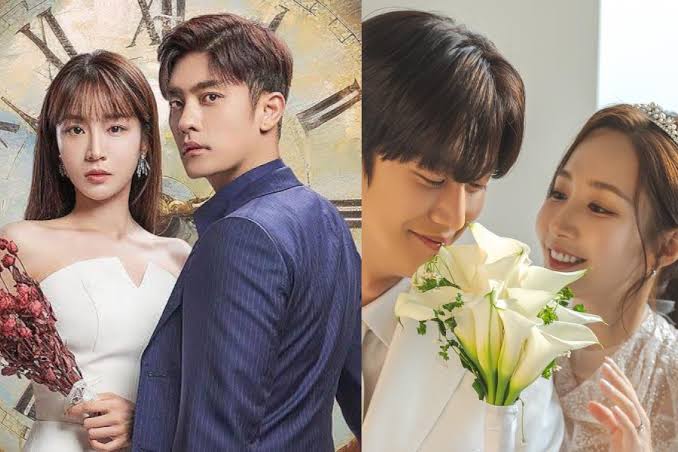
A cast guide for Finding Love After I Die offers a good example of how quickly these elements can be established. The story begins with Lindsey, a wealthy heiress who is betrayed and murdered by the husband she sacrificed everything to support. In a supernatural twist, she wakes up on her wedding day and gets the opportunity to rewrite her future. As she changes the course of her life, a new romance begins to develop, turning a revenge story into a second-chance love story at the same time.
The premise immediately gives viewers multiple reasons to keep watching: revenge, redemption, mystery, and romance.
Built for Binge-Watching
Another reason these stories work so well is the way short-form dramas are structured.
Episodes are designed around constant escalation. New information is revealed quickly. Relationships shift rapidly. Nearly every episode ends with a cliffhanger or a surprising twist that pushes viewers into the next installment.
The result is a storytelling style built around momentum.
A betrayal leads to a revelation. A revelation leads to a confrontation. A confrontation leads to another twist.
Before long, viewers have watched far more episodes than they originally intended.
Why the Trend Isn’t Going Away
The popularity of revenge-and-second-chance romances reflects what vertical dramas do best: deliver emotionally intense stories with remarkable efficiency.
Betrayal, redemption, revenge, and unexpected love are concepts that audiences understand immediately. Combined with fast pacing and cliffhanger-heavy storytelling, they create exactly the kind of emotional investment that keeps viewers tapping for the next episode.
In a world of endless entertainment options, these stories answer a powerful question from the very beginning:
What would you do if you had the chance to rewrite your future?